Malaysia's energy transition is broadening the ways renewable energy is generated, shared and accessed. Alongside large-scale renewable projects, distributed energy resources such as rooftop solar are expected to play an increasingly important role in the national electricity system.
Introduced in March 2025, the Community Renewable Energy Aggregation Mechanism (CREAM) provides a new model for residential rooftop solar aggregation in Malaysia. CREAM enables residential rooftop solar systems within a community to be aggregated into a collective renewable energy resource rather than operating as individual installations. Under the mechanism, electricity generated from these systems can be supplied to participating consumers nearby, so that generation and consumption take place within the same community or township. This creates the potential to widen participation in the energy transition beyond large project developers.
For Tenaga Nasional Berhad (TNB), CREAM provides a framework to offer customers greater choice in accessing green electricity, while reinforcing the role of the distribution network in connecting distributed renewable generation with local demand.
From Individual Rooftops to Community Renewable Energy
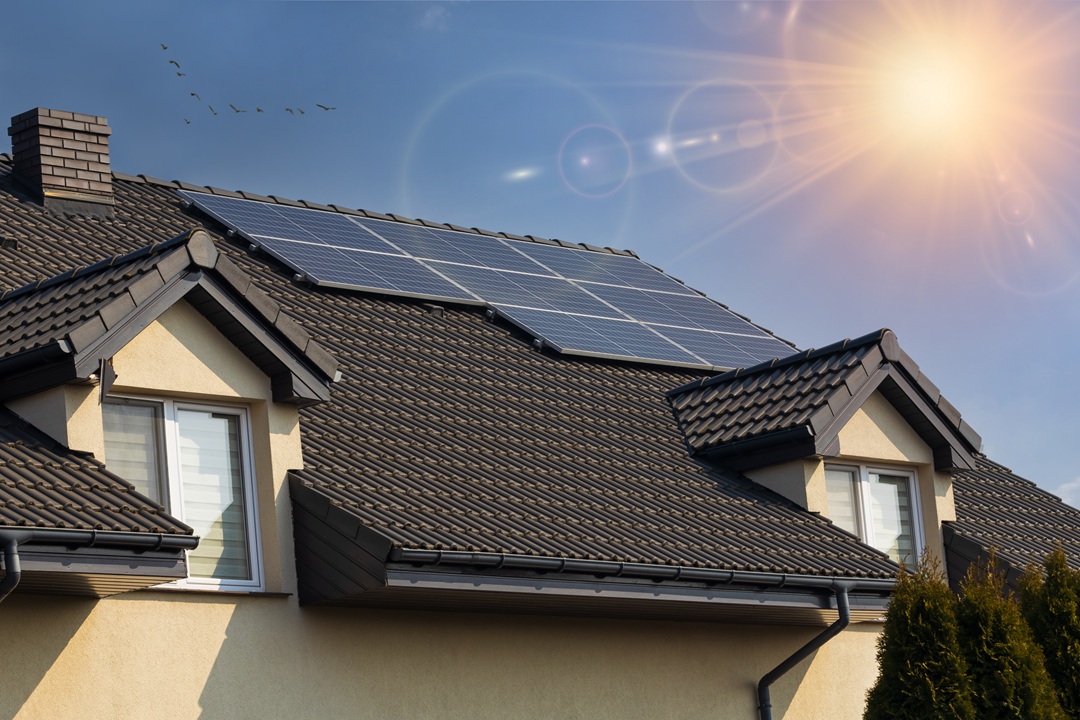
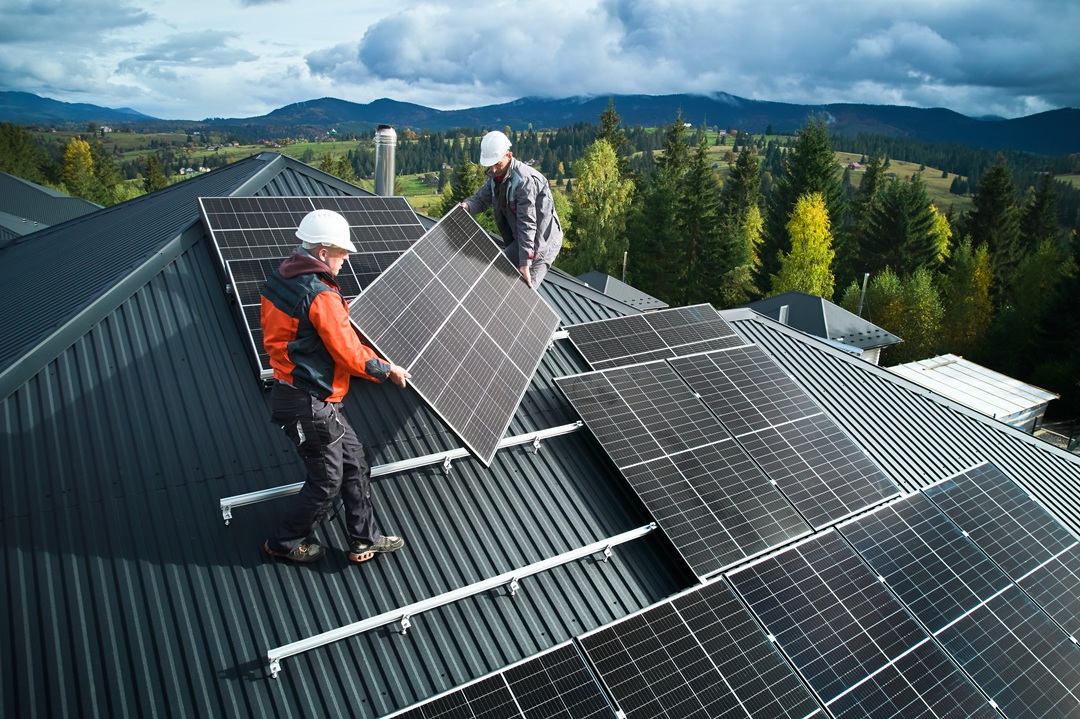
Under CREAM, homeowners may lease their rooftops to a Local Energy Generator and Aggregator (LEGA) for the installation and operation of rooftop solar photovoltaic (PV) systems. The LEGA operates the rooftop systems and manages the supply of electricity, which is delivered through TNB’s low- and medium-voltage distribution networks to nearby commercial, industrial and other eligible consumers.
Under the current framework, the aggregated solar capacity is capped at 2 MWp and participating Local Green Consumers (LGCs) must be located within a 5 km radius of the generation source.
This aggregation allows renewable electricity generated across multiple residential rooftops to be supplied within the local area.
Different Pathways, Same Energy Transition
CREAM introduces rooftop solar aggregation as another pathway within Malaysia’s renewable energy landscape. The mechanism has the potential to broaden participation by enabling homeowners and nearby consumers to take part in community-based renewable energy arrangements.
CREAM shares a common foundation with the Corporate Renewable Energy Supply Scheme (CRESS). Both enable consumers to procure green electricity directly from renewable energy producers, based on the principle of third-party access via TNB’s networks. However, the two (2) schemes serve distinct purposes and target different segments. CRESS enables corporate buyers to procure renewable energy from generators connected to the wider electricity network. CREAM supports community-level participation through an aggregator model, enabling homeowners and nearby consumers to participate in localised renewable energy supply.
How CREAM Connects the Community
CREAM brings together several participants within a single renewable energy ecosystem, each with clearly defined responsibilities.
As CREAM is based on homeowners leasing their rooftops for solar generation, each arrangement is supported by a lease agreement between the LEGA and participating homeowners. The agreement sets out key terms such as the lease duration, payment terms and maintenance responsibilities.
Similar to CRESS, CREAM is implemented through the New Enhanced Dispatch Arrangement (NEDA) and the LEGA is required to register as a NEDA participant. The LEGA is responsible for the installation, operation and maintenance of the rooftop solar systems while the LGC purchases the renewable electricity generated under the supply agreement with the LEGA.
The Single Buyer administers LEGA registration and manages the settlement of the Community Access Charge (CAC). TNB’s Distribution Network (DN) Division enables electricity generated under CREAM to be transported, or wheeled, through the network to LGCs. TNB’s Retail Division continues to support end-consumer electricity supply, metering and billing arrangements.
Together, these arrangements allow renewable electricity to be generated and consumed locally and are designed to safeguard the reliability and security of the wider electricity system.
How CREAM Works
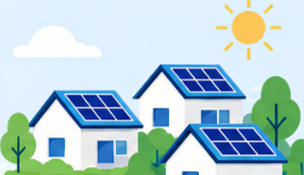
Participating Homes
Residential rooftops generate renewable electricity.
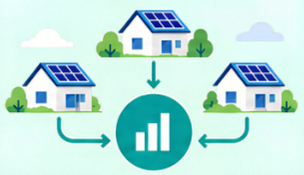
LEGA Aggregates Rooftop Solar
The Local Energy Generator and Aggregator combines renewable electricity from participating homes.
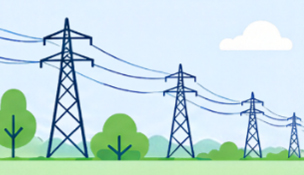
Electricity Distribution Network
The electricity is supplied through the local distribution network.
Local Green Consumer
The participating consumer purchases the renewable electricity.


Single Buyer:
Registration and Community Access Charge settlement.

TNB:
Network connection, metering, billing arrangements and balance of supply.
Figure 1: How CREAM Connects Residential Solar with Local Green Consumers
Exploring the CREAM Model at the City of Elmina
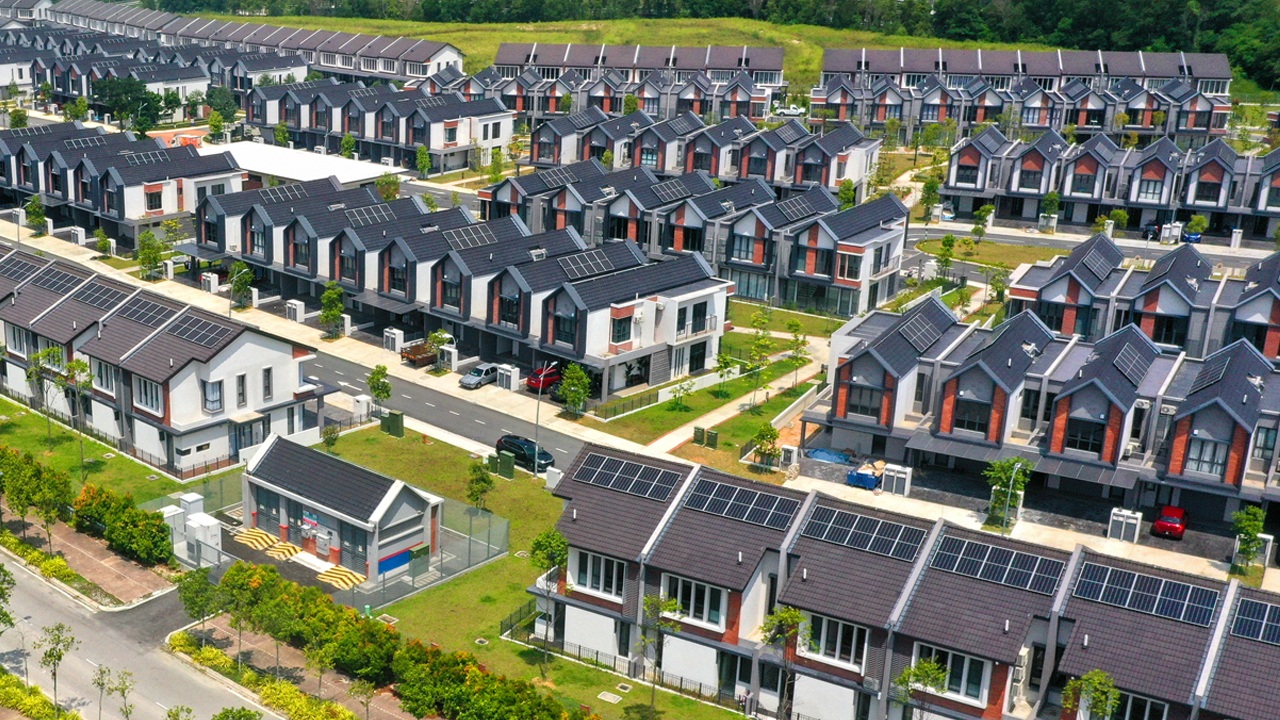
The City of Elmina was identified as an early setting for the CREAM model when the flagship project was launched in September 2025. The proposed arrangement would allow participating homeowners to lease rooftop space for additional solar PV installations without the upfront investment associated with owning the system.
Under the CREAM rooftop leasing arrangement, residents of Ilham Residence Elmina Phase 4 could be offered a 6 kW rooftop solar PV system for each participating home. The proposed model would aggregate the renewable electricity generated from participating homes for supply to eligible consumers within the township, supporting wider adoption of renewable energy through a community-based approach.
Expanding Participation in Renewable Energy
CREAM is designed to broaden the role that different stakeholders can play in the energy transition.
For homeowners, rooftop space becomes a productive asset that contributes to renewable electricity generation within the community. For nearby businesses and other eligible consumers, CREAM offers an additional pathway to access green electricity within the surrounding area.
For the electricity system, CREAM provides a model for how distributed renewable energy resources could be integrated into distribution networks while maintaining network security and reliability.
By enabling rooftop solar systems within a community to function collectively, CREAM has the potential to extend renewable energy participation to households and nearby consumers.
A More Distributed Energy Future
As renewable energy expands, Malaysia's electricity system is becoming more diverse, with a growing share of generation coming from distributed resources located closer to customers. CREAM reflects this shift by providing a framework to bring residential renewable generation and nearby electricity demand together within local communities.
From a Just Transition perspective, CREAM provides another pathway for households to participate in renewable energy without the upfront investment typically associated with owning a rooftop solar system.
Acronyms and Abbreviations
| CAC | Community Access Charge |
| CREAM | Community Renewable Energy Aggregation Mechanism |
| CRESS | Corporate Renewable Energy Supply Scheme |
| LEGA | Local Energy Generator and Aggregator |
| LGC | Local Green Consumer |
| NEDA | New Enhanced Dispatch Arrangement |
| PV | Photovoltaic |