Not every business can generate the renewable electricity it needs on its own premises. For companies with large or continuous electricity demand, access to renewable energy may require solutions that go beyond on-site generation. The Corporate Renewable Energy Supply Scheme (CRESS) provides another pathway, enabling eligible corporate consumers to procure renewable electricity directly from Renewable Energy Developers (REDs) through the electricity supply network in Peninsular Malaysia.
Introduced in 2024, CRESS forms part of Malaysia’s move towards open access to the electricity supply network. The scheme was designed to broaden green electricity supply options for corporate consumers, including companies seeking to support their environmental commitments. For Tenaga Nasional Berhad (TNB), CRESS expands the range of green electricity options available to customers while reinforcing the importance of reliable infrastructure and system capabilities in connecting renewable generation with electricity demand.
Adding Another Pathway to Green Electricity
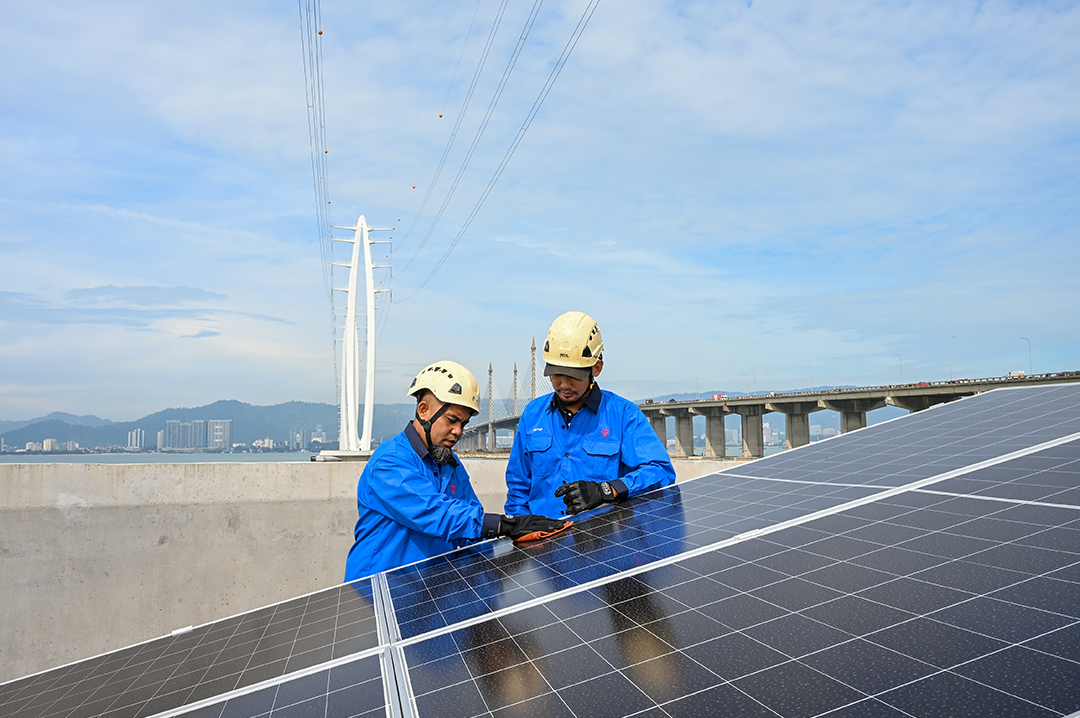
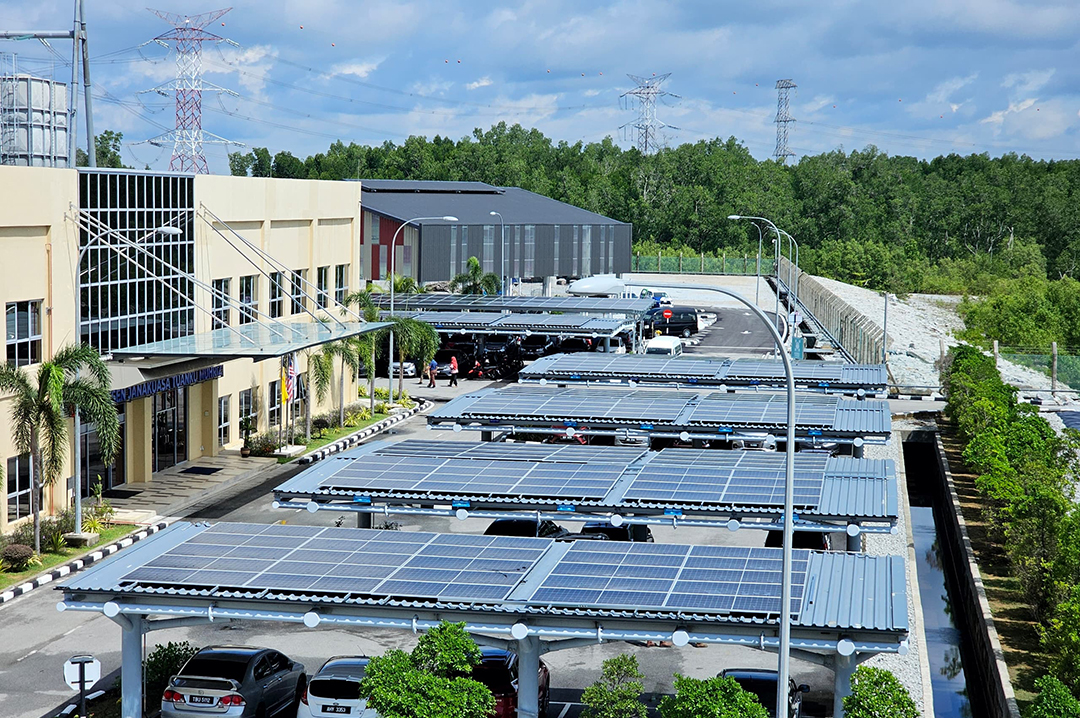
Businesses have different electricity requirements, operating environments and sustainability priorities. Some may be able to generate renewable electricity at their own premises through rooftop solar, while others may access green electricity through programmes such as the Green Electricity Tariff (GET), Malaysia Renewable Energy Certificates (mRECs) or other renewable energy arrangements. CRESS complements these mechanisms by providing eligible corporate consumers with another route to access renewable electricity.
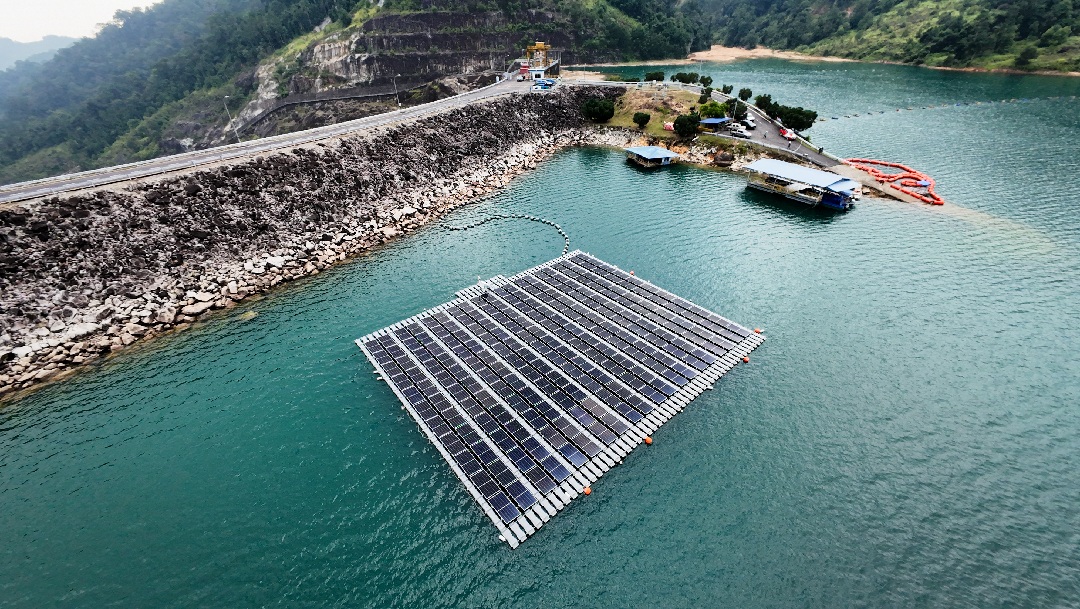
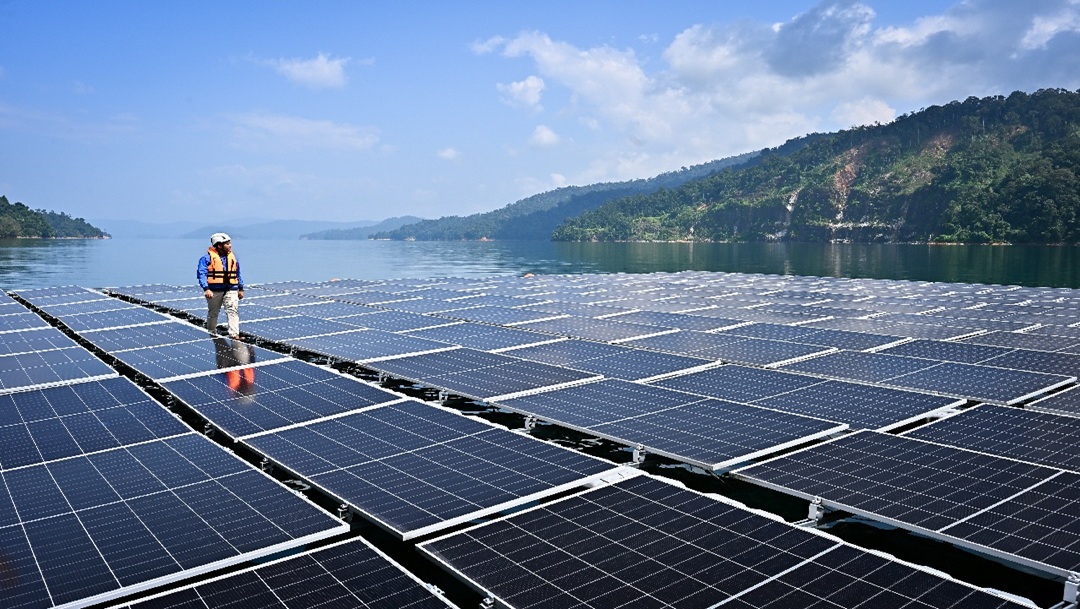
Under the scheme, an eligible corporate customer, referred to as a Green Consumer, can enter into a commercial arrangement with a Renewable Energy Developer for the supply of renewable electricity from a Green Energy Plant. Unlike an on-site renewable energy installation, the Green Energy Plant does not need to be located at the customer’s premises. Instead, electricity generated by the Renewable Energy Developer is delivered to the Green Consumer through the electricity supply network. This enables renewable generation to be developed where suitable resources and grid connections are available, while allowing corporate consumers to access electricity generated elsewhere.
The Energy Commission (EC) describes CRESS as an avenue for Green Consumers to procure green electricity directly from Renewable Energy Developers through open access to the Grid System. This gives eligible businesses greater flexibility in how they pursue their renewable electricity goals.
How CRESS Connects Renewable Generation with Corporate Demand
CRESS brings together several parties across the electricity ecosystem, with the Renewable Energy Developer and the Green Consumer at the centre of the arrangement. The Renewable Energy Developer develops, owns and operates the Green Energy Plant and supplies renewable electricity to the Green Consumer under an agreed commercial arrangement. The electricity itself is transported through the electricity network rather than through a dedicated power line constructed solely between the generator and the customer.
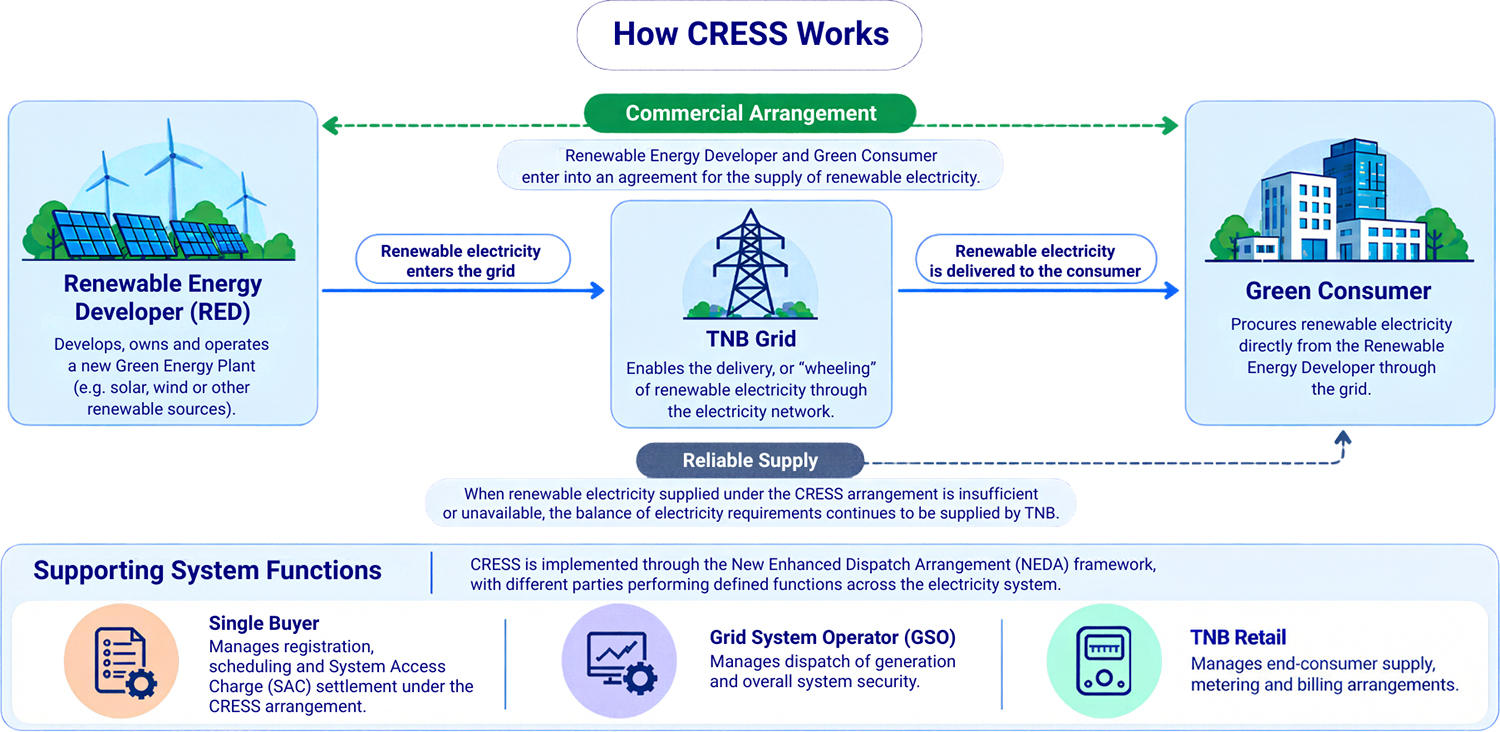
Figure 1: Conceptual Overview of How CRESS Works
CRESS operates under the New Enhanced Dispatch Arrangement (NEDA) framework, with different parties carrying out clearly defined responsibilities. The Single Buyer administers the registration of Renewable Energy Developers and manages matters including scheduling and settlement of the System Access Charge (SAC), while the Grid System Operator (GSO) manages generation dispatch and overall system security. TNB’s Grid enables the electricity generated under CRESS to be transported, or wheeled, through the network to the Green Consumer, while TNB Retail continues to support end-consumer supply, metering and billing arrangements.
Together, these functions allow a direct commercial relationship between renewable energy developers and corporate customers to operate within an interconnected electricity system.
Renewable Choice Without Giving Up Reliability
Renewable generation can vary according to resource availability, weather conditions and the operating status of generation assets, while corporate electricity demand may continue throughout the day and may not always correspond with periods of renewable generation.
CRESS is structured to manage this difference. A Green Consumer may procure renewable electricity from participating Renewable Energy Developers and, within the parameters of the scheme, may source electricity from more than one developer. When electricity supplied through the CRESS arrangement is insufficient or unavailable, the consumer can continue receiving the balance of its electricity requirements from the electricity utility.
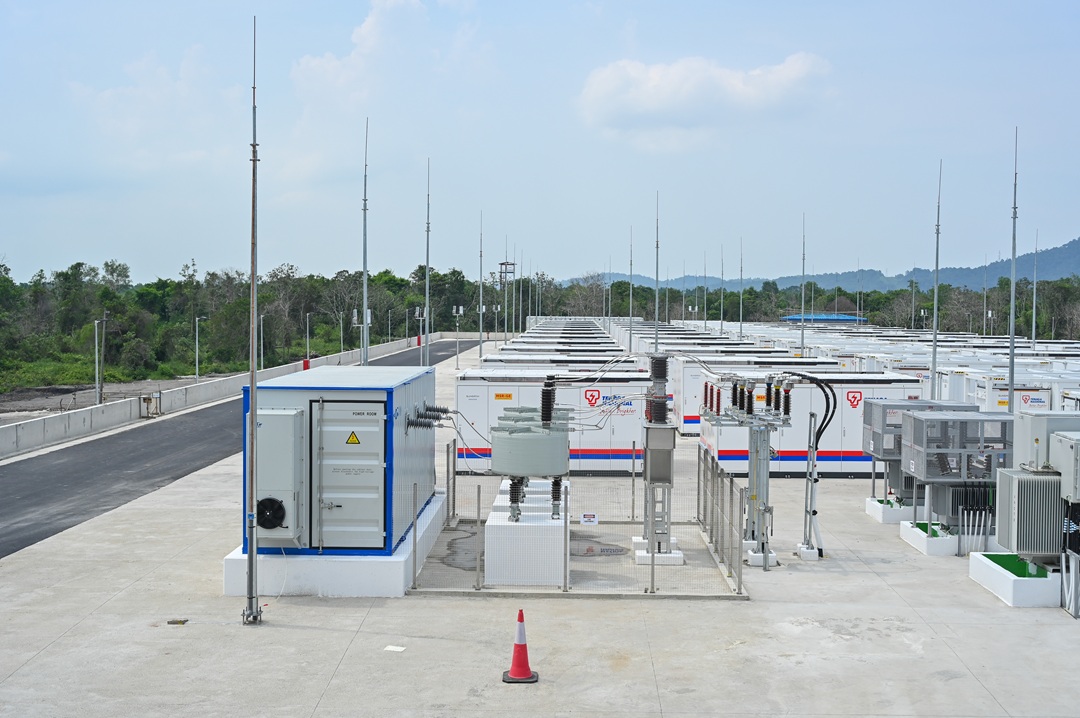
For Renewable Energy Developers, CRESS also incorporates requirements relating to firm generation output and system integration. Energy storage may support this by storing electricity when renewable generation is available and releasing it when required, helping variable generation interact more effectively with the electricity system.
In this way, CRESS broadens access to renewable electricity while recognising that security and reliability remain essential as more businesses participate in the energy transition.
Why the Grid Still Matters
CRESS establishes a direct commercial arrangement between a Renewable Energy Developer and a corporate consumer, but that arrangement still depends on shared electricity infrastructure. The grid enables renewable electricity generated in one location to be transported to demand elsewhere, while also providing the network and system services needed to maintain reliable electricity supply.
Under CRESS, Renewable Energy Developers are subject to a SAC which is intended to recover relevant costs associated with delivering renewable electricity through the electricity network and supporting the wider system.
The grid therefore remains central even as customers gain more renewable electricity choices. For TNB, this reinforces its role in enabling new forms of renewable participation while continuing to support system reliability and security.
Broadening TNB's Green Electricity Offerings
CRESS forms part of a broader landscape of green electricity options available to TNB customers. Alongside mechanisms such as GET, mRECs and renewable energy solutions at customers’ premises, CRESS provides eligible corporate consumers with a distinct option to procure renewable electricity directly from a Renewable Energy Developer through the Grid System.
From an ESG perspective, this broadens TNB’s green offering ecosystem by expanding the ways customers can access renewable electricity. As corporate demand for lower-carbon electricity solutions grows, a wider range of offerings can help TNB respond to different customer requirements while supporting broader renewable energy adoption.
This is significant because the availability of renewable energy alone is not sufficient. Customers also need practical mechanisms through which they can participate, depending on their electricity requirements and sustainability strategies.
Supporting Different Customer Pathways in Transition
A Just Transition recognises that customers do not all begin from the same position. Differences in energy needs, available infrastructure, financial considerations and readiness to adopt new solutions can influence how they participate in the energy transition.
CRESS contributes to this broader principle by providing an additional pathway for eligible corporate customers. It forms part of a wider approach that allows customers to participate through mechanisms suited to their circumstances.
Providing different routes to participate can help make the transition more practical and inclusive as the energy system evolves. For TNB, this means supporting customer participation not through a single solution, but through an ecosystem of options that can respond to different needs and levels of readiness.
Supporting Malaysia's Renewable Energy Ambition
Malaysia is targeting renewable energy to account for 40% of the national installed capacity mix by 2035 and 70% by 2050. The Government has identified CRESS as one of the mechanisms supporting this direction by providing broader green electricity supply options and facilitating direct renewable energy procurement by corporate consumers.
CRESS connects two sides of the renewable energy market: developers seeking opportunities to build and supply new renewable generation, and businesses looking for credible ways to access renewable electricity as part of their sustainability and decarbonisation plans.
For Renewable Energy Developers, it creates access to corporate electricity demand; for Green Consumers, it provides another route to renewable electricity; and for TNB, it reinforces the importance of the network, system operations and customer services that allow these arrangements to function reliably.
This is where CRESS becomes relevant to the wider energy transition. It shows that renewable energy growth depends not only on generation capacity, but also on customer participation and the grid infrastructure needed to connect renewable supply with demand.
Connecting Choice, Participation and Reliability
CRESS demonstrates how renewable energy access, customer participation and system reliability can progress together. By connecting Renewable Energy Developers with eligible corporate consumers through the electricity network, the scheme expands access to green electricity while maintaining the infrastructure and system capabilities needed to support reliable supply.
For TNB, CRESS strengthens its role as an enabler of energy transition by combining green electricity offerings with the network and customer solutions that allow businesses to participate. As Malaysia progresses towards its renewable energy ambitions, such mechanisms can help connect growing renewable generation with corporate demand while keeping the electricity system secure and dependable.