5,760,463
Smart Meters
deployed as of March 2026
Every electricity consumption decision, whether made at home or in a business, contributes to the overall demand placed on the power system. While these individual decisions may seem small, collectively they influence how much electricity is needed across the network and when it is needed.
For Tenaga Nasional Berhad (TNB), this presents an opportunity to engage customers beyond conventional electricity supply. By providing greater visibility of consumption patterns, promoting energy-efficient practices and encouraging more flexible electricity use, TNB is supporting a more informed and responsive approach to energy management.
Through its Demand-Side Management (DSM) initiatives, TNB supports more efficient electricity consumption and peak demand management through energy efficiency and demand response, linking digital infrastructure, tariff options and energy education with measurable consumption outcomes. Together, these efforts demonstrate how customer participation can support a more efficient electricity system and contribute to Malaysia's wider energy transition.
deployed as of March 2026
subscribers in 2025
83% increase from the previous year
switched between July 2025 and July 2026
through MELP in 2025
50+ programmes, campaigns, exhibitions and outreach activities
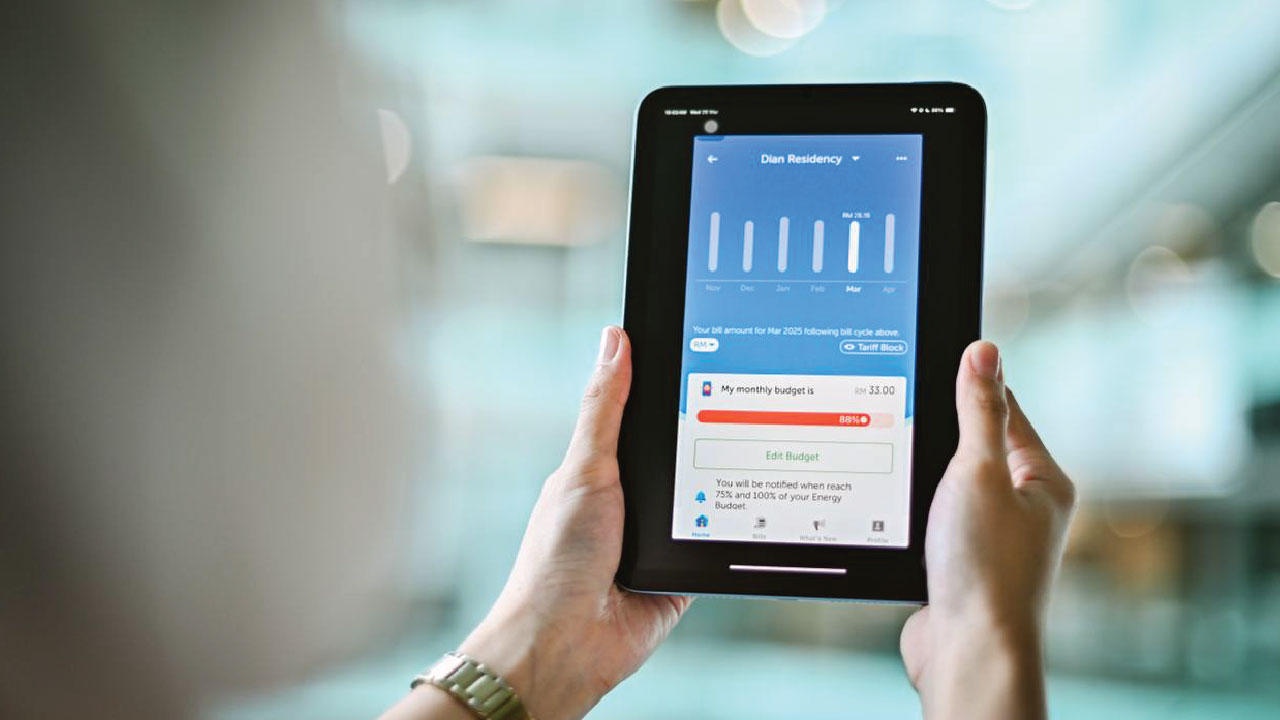
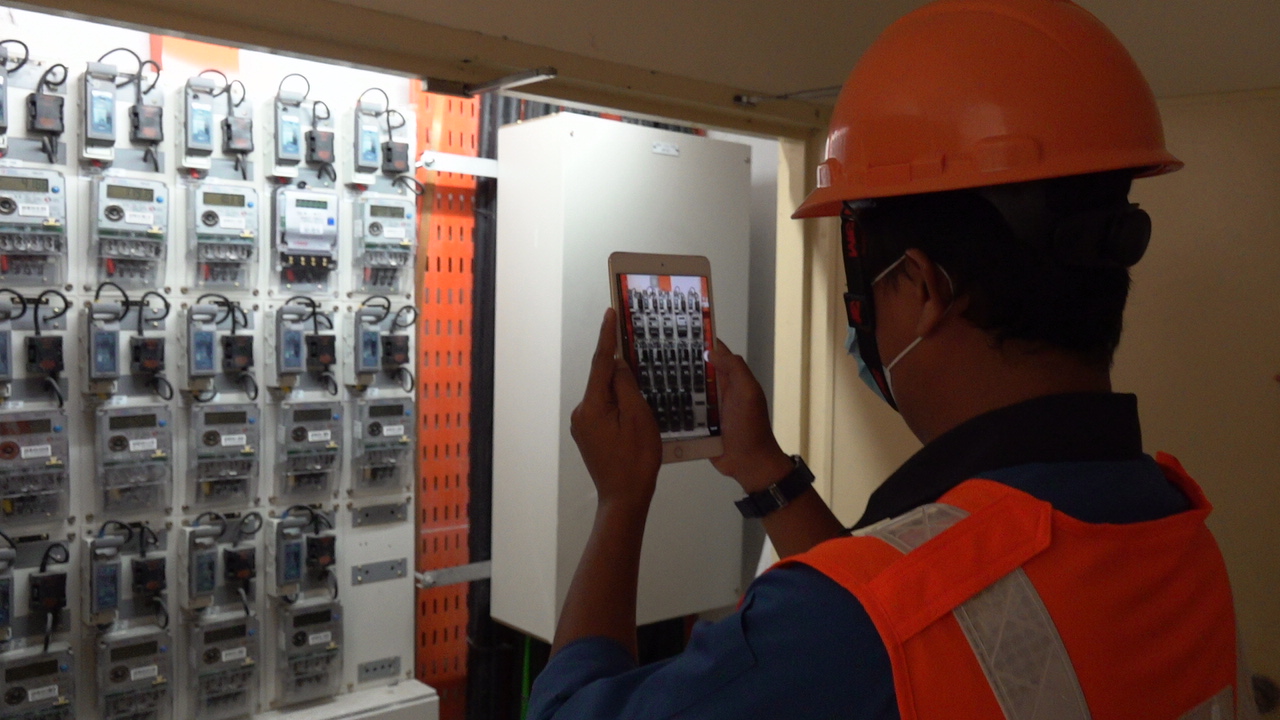
Advanced Metering Infrastructure (AMI) has created new opportunities for customers to understand and manage their electricity consumption. With smart meters being deployed, consumption data is no longer limited to a monthly bill. Through the myTNB app and portal, customers can view their consumption profiles, monitor usage trends and see how their electricity use changes over time.
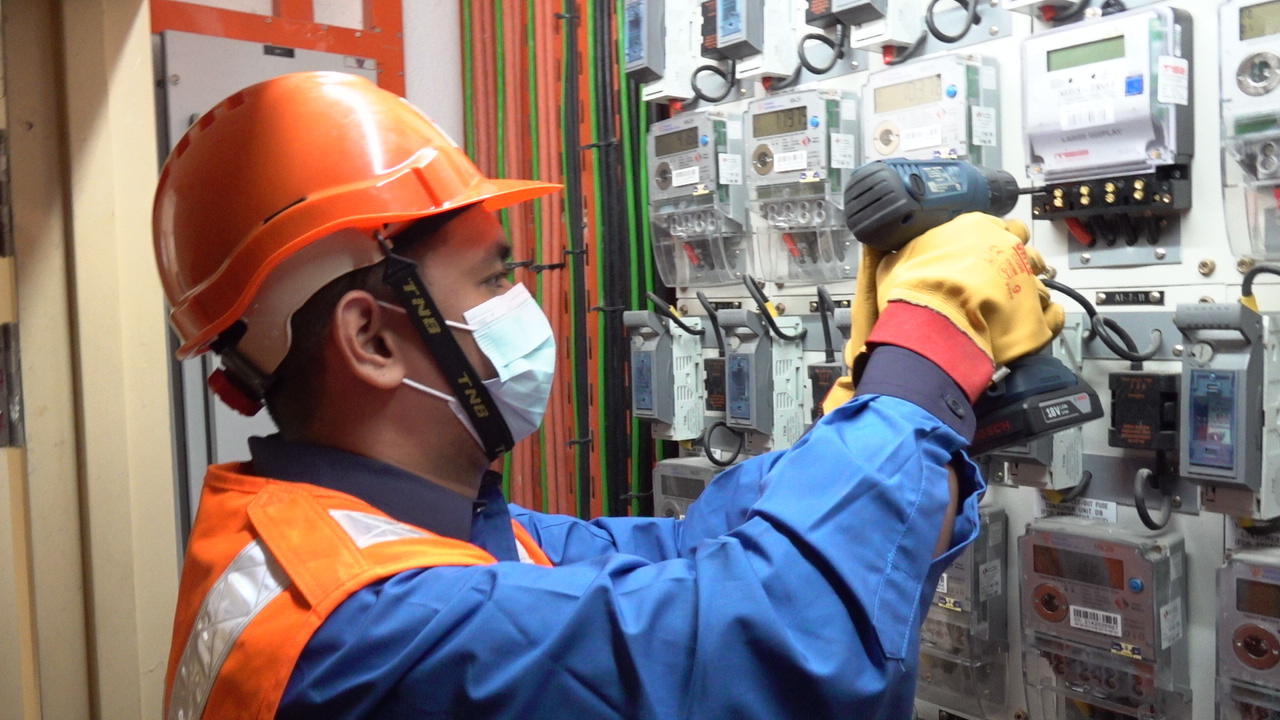
In 2025, TNB surpassed its annual target of 1 million smart meter installations, deploying 1,064,537 new meters. This momentum continued into 2026, bringing the total number of smart meters deployed to 5,760,463 as of March 2026, further expanding customers' access to digital energy management tools and opportunities to participate in DSM programmes.
One practical application is the Energy Budget feature, which allows customers to set monthly consumption thresholds and receive alerts as their usage approaches the selected limit. In 2025, approximately 2.6 million customers subscribed to Energy Budget, an 83% increase compared with the previous year.
In December 2025 alone, approximately 1.46 million participating contract accounts recorded a combined reduction of 106 GWh in electricity consumption. Based on TNB’s internal calculation methodology, this reduction is equivalent to an estimated 74,293 tonnes of avoided carbon dioxide (CO₂) emissions.
For TNB, the significance extends beyond smart meter deployment to enabling customers to manage their electricity use more effectively.
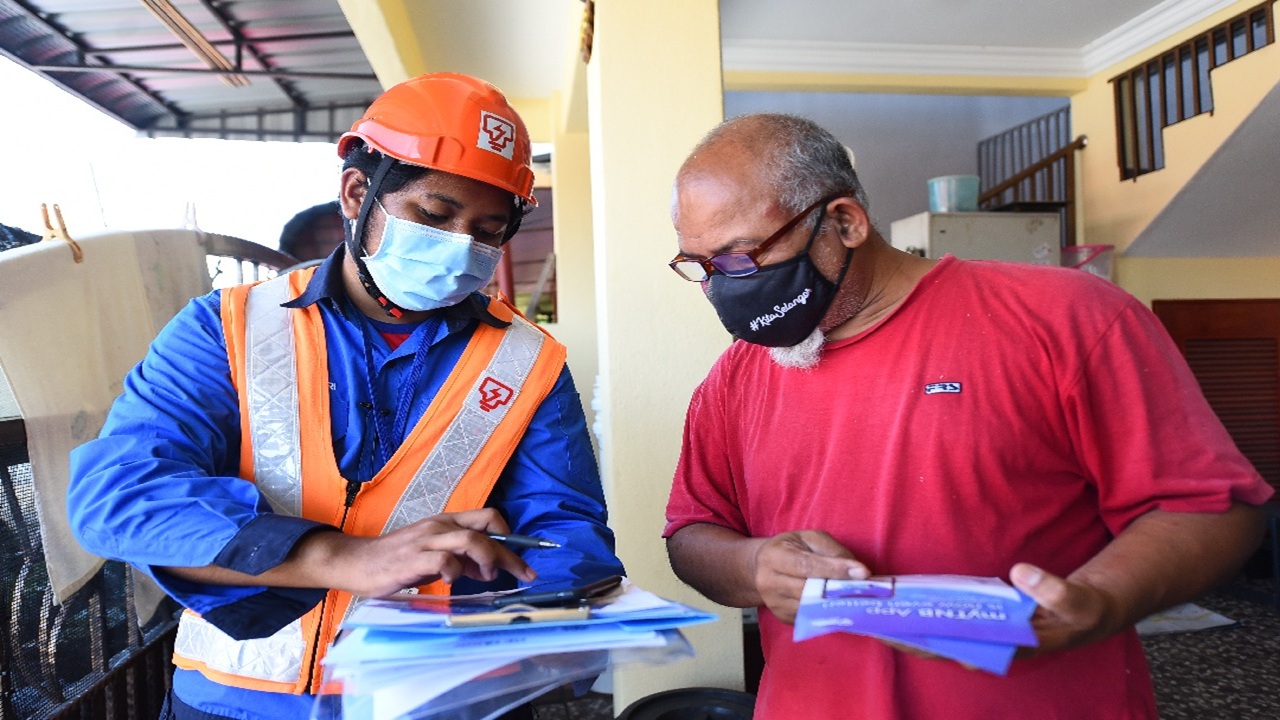
Electricity demand varies throughout the day. At certain times, many customers use electricity simultaneously, resulting in higher demand on the system. Managing demand during these peak periods through demand response can help support a more balanced and efficient electricity system.
TNB's Time-of-Use (ToU) tariff scheme is a price-based demand response programme that addresses this through different peak and off-peak electricity rates, encouraging eligible customers to shift suitable activities to periods of lower demand. Under the revised tariff structure effective from 1 July 2025, the off-peak window was widened to cover 10.00 p.m. to 2.00 p.m. on weekdays, as well as the whole of Saturdays, Sundays and public holidays.
Households can schedule selected appliances or charge electric vehicles during these hours, while businesses can shift activities such as water pumping or fleet charging, where operationally practical.
Unlike consumption-reduction initiatives, ToU does not necessarily lower total electricity use. Instead, it encourages demand flexibility, supporting a more efficient generation mix by potentially reducing reliance on low-efficiency power plants which generate more emissions during peak periods. Smart meters support this by providing time-based consumption information that can help customers understand their usage patterns and assess whether ToU suits their household routines or business operations.
Customer participation has grown since the tariff structure revision. Approximately 102,000 customers benefited from ToU in FY2025, and participation continued to grow, with around 217,000 customers switching to the scheme between July 2025 and July 2026.
Consumption patterns among participating customers also reflect substantial usage during off-peak periods. An assessment of 83,163 domestic ToU customers found that approximately 94% recorded more than 70% of their electricity consumption during off-peak periods.

For business customers, greater visibility of electricity consumption can help identify opportunities to improve energy efficiency. TNB's subsidiary, TNBX Sdn. Bhd. (TNBX), supports this through two digital solutions:
Together, these solutions equip businesses with actionable energy and emissions insights, supporting more informed decisions on energy efficiency improvements and progress monitoring.
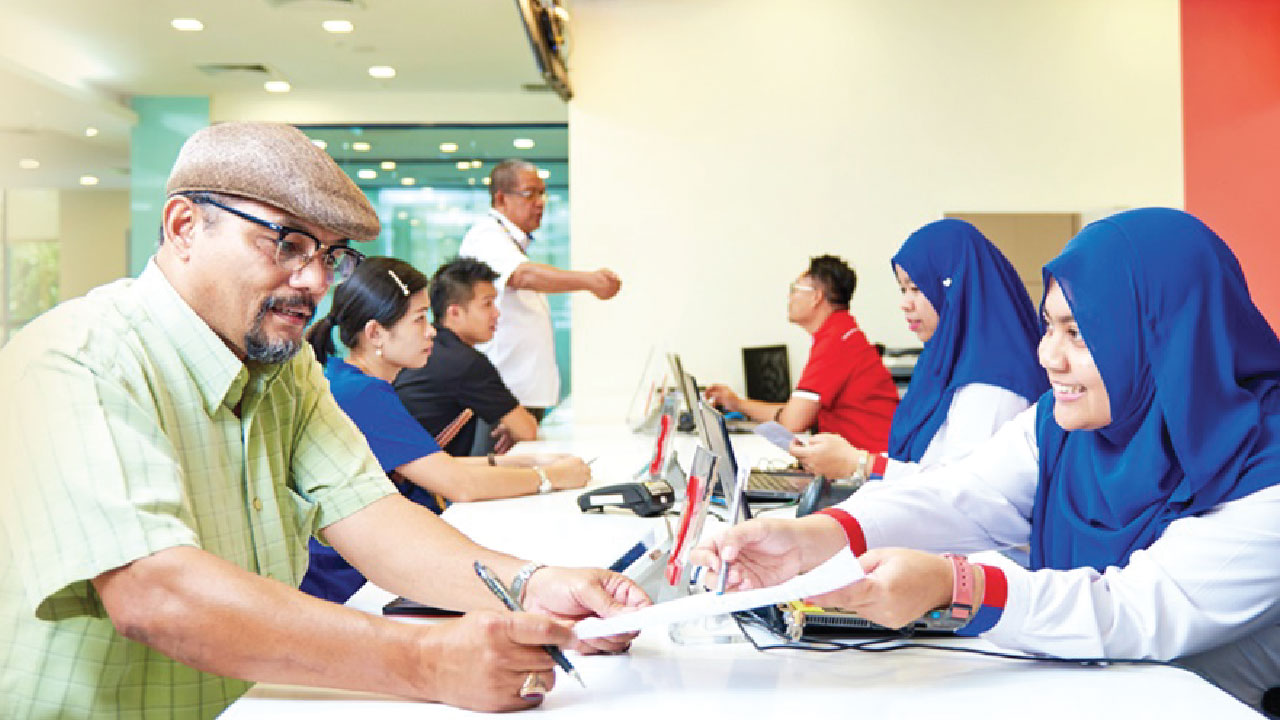
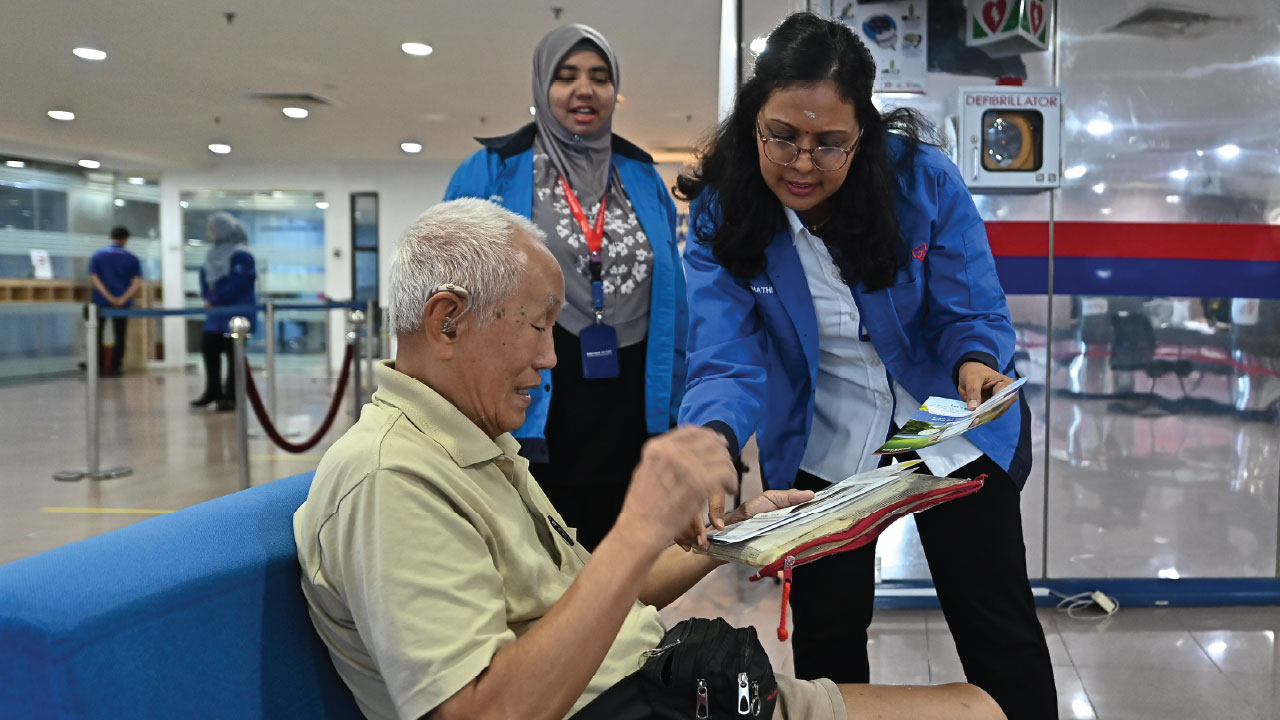
Understanding how electricity is consumed is an important step towards managing it more efficiently. The Malaysia Energy Literacy Program (MELP), initiated by TNB, has since evolved into a national-level programme with support from the Government, regulators and industry partners, promoting greater awareness of electricity tariffs, energy efficiency and responsible energy practices across different segments of society.
In 2025, MELP reached 35,927 people nationwide, with TNB contributing through more than 50 education programmes, campaigns, exhibitions and community outreach activities. These efforts help strengthen energy literacy among communities and educational institutions, empowering individuals to make more informed decisions about their electricity consumption.
Electricity demand in Malaysia is expected to increase gradually, particularly from electrification, industrial development and emerging energy-intensive sectors such as data centres.
Beyond managing electricity demand, DSM also contributes to TNB's broader carbon mitigation efforts. Every unit of electricity saved by customers reduces the amount of electricity required from the power system, potentially avoiding emissions associated with power generation. By encouraging more efficient consumption, DSM complements TNB's efforts to advance a lower-carbon electricity system.
As electricity demand continues to evolve, TNB's DSM programmes are designed to moderate demand growth and manage peak load through energy efficiency and demand response across customer segments. These efforts also align with TNB's climate adaptation strategy, which identifies demand response programmes as a measure to manage electricity load during extreme heat events, alongside energy efficiency initiatives aimed at moderating overall demand.
TNB's DSM efforts complement its broader energy transition initiatives, including the Corporate Renewable Energy Supply Scheme (CRESS) and the Community Renewable Energy Aggregation Mechanism (CREAM), which provide additional pathways for customers to access renewable electricity. Together, these initiatives reflect an evolving electricity ecosystem in which customers play a more active role in how energy is sourced and consumed.
By continuing to expand its energy efficiency and demand response programmes, TNB aims to strengthen its DSM capabilities and encourage more efficient electricity use. These efforts support a more sustainable and responsive electricity system, enabling households and businesses to play a greater role in Malaysia's energy transition.