Energy is part of everyday life, but understanding how it is generated, priced and consumed is becoming increasingly important for Malaysians.
As electricity consumption patterns evolve, consumers are navigating issues ranging from electricity bills and energy efficiency to clean and renewable energy, electric vehicles and other emerging energy solutions. Access to clear and credible information is therefore increasingly important.
The Malaysia Energy Literacy Program (MELP) is one platform helping Malaysians build this understanding.
For Tenaga Nasional Berhad (TNB), the programme supports a broader objective of empowering consumers and communities with the knowledge to better understand their energy use, make informed choices and participate more meaningfully in Malaysia’s evolving energy landscape.
Energy Literacy for Better-Informed Choices
Energy literacy goes beyond understanding where electricity comes from. MELP covers topics including the energy value chain, electricity tariffs and consumer literacy, energy conservation and efficiency, electrical safety, clean and renewable energy, electric vehicles and their ecosystem, sustainability, and the wider energy transition.
This knowledge is increasingly relevant as consumers encounter more information and choices around electricity use. Understanding how to read an electricity bill, recognise consumption patterns and identify opportunities to use electricity more efficiently can help consumers make better-informed decisions.
MELP covers topics including the energy value chain, electricity tariffs and consumer literacy, energy conservation and efficiency, electrical safety, clean and renewable energy, electric vehicles and their ecosystem, sustainability, and the wider energy transition.
By improving understanding of energy, MELP can help bridge the gap between national energy-transition ambitions and the decisions made by individuals, organisations and communities.
A National Platform for Energy Literacy
MELP was initiated by TNB in December 2020 and launched in March 2023. MELP has since evolved into a national programme that brings together Government, regulators, energy industry players, educational institutions and communities to strengthen energy literacy across Malaysia.
In 2024, a national-level Steering Committee chaired by the Deputy Minister of Energy Transition and Water Transformation (PETRA), together with a Working Committee led by the Suruhanjaya Tenaga, was established to strengthen its implementation.
The programme is supported by strategic partners from across the energy ecosystem, including Suruhanjaya Tenaga, Sustainable Energy Development Authority Malaysia (SEDA), TNB, MyPOWER Corporation, Yayasan Hijau Malaysia, Malaysian Green Technology and Climate Change Corporation, NUR Power, Malakoff and Edra Energy.
Its long-term vision is ambitious: to contribute towards a 90% energy-literate Malaysian society.
This vision is supported through three objectives:
Providing access to credible energy information
Developing an energy-literate society and smart consumers
Building greater understanding and support for energy sustainability and the energy transition
MELP delivers these objectives through four strategic areas: education and behavioural change, communication and outreach, an empowered society, and policy and advocacy.
Importantly, this framework positions energy literacy not only as awareness of future changes in the energy sector, but also as a means of equipping people with practical knowledge they can apply in their daily energy decisions.
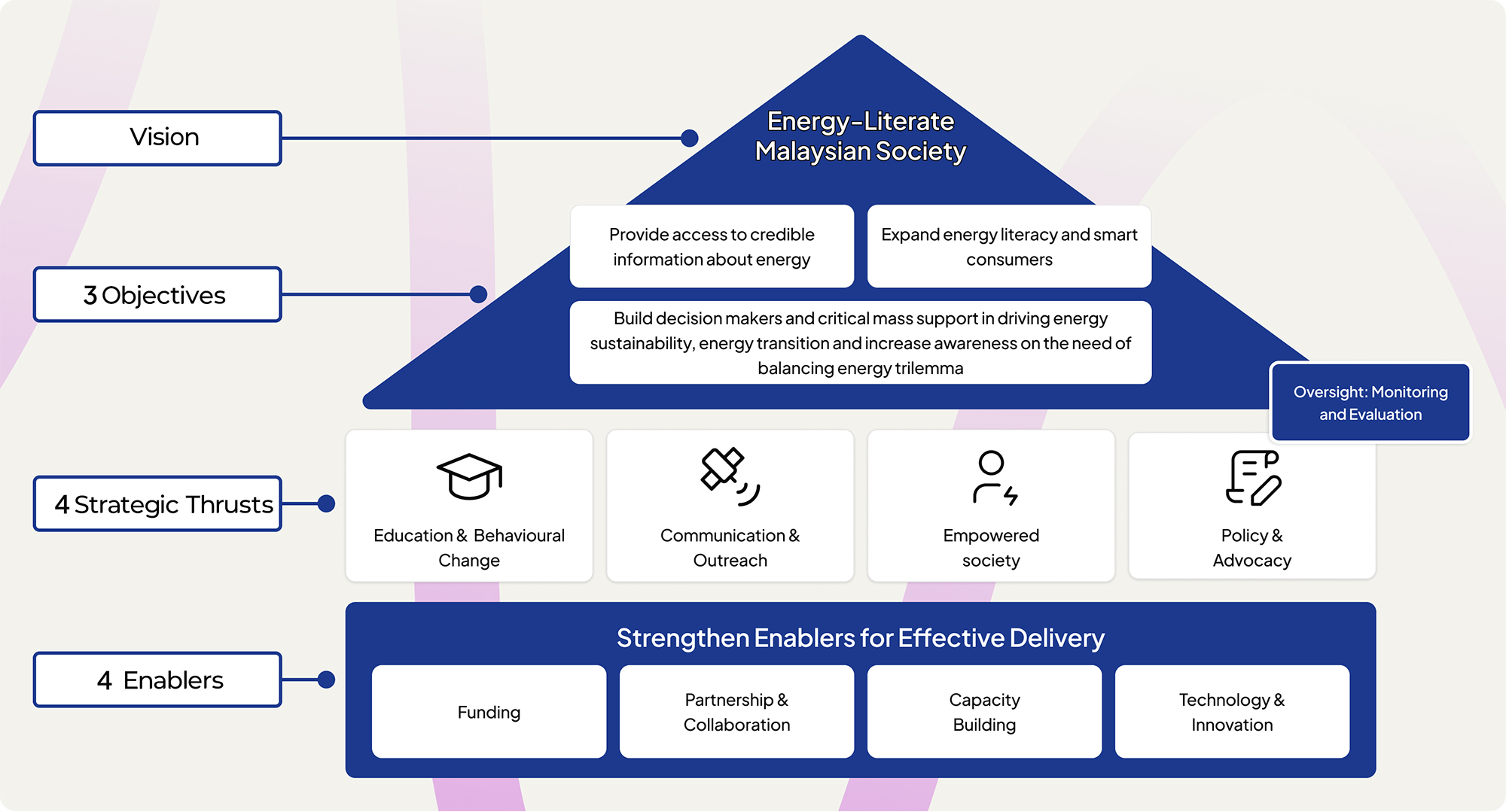
Figure 1: MELP Strategy House (Source: MELP Website)
Extending Energy Literacy Through Education
Education represents one of MELP’s key avenues for building long-term awareness.
Energy literacy modules are now being offered at nine universities - Universiti Tenaga Nasional (UNITEN), Universiti Kebangsaan Malaysia (UKM), Universiti Teknologi Malaysia (UTM), Universiti Tun Hussein Onn Malaysia (UTHM), Universiti Kuala Lumpur British Malaysian Institute (UniKL BMI), Universiti Malaysia Perlis (UniMAP), Universiti Utara Malaysia (UUM), Universiti Malaysia Kelantan (UMK) and Universiti Malaysia Pahang Al-Sultan Abdullah (UMPSA).
This represents continued expansion from the programme’s earlier implementation at UNITEN and UKM.
The university initiative is intended to strengthen students’ understanding of the energy ecosystem while developing a new generation that is better equipped to engage with issues surrounding energy sustainability and the transition.
MELP also supports collaborations with strategic university partners involving student and community outreach, forums, research and other initiatives.
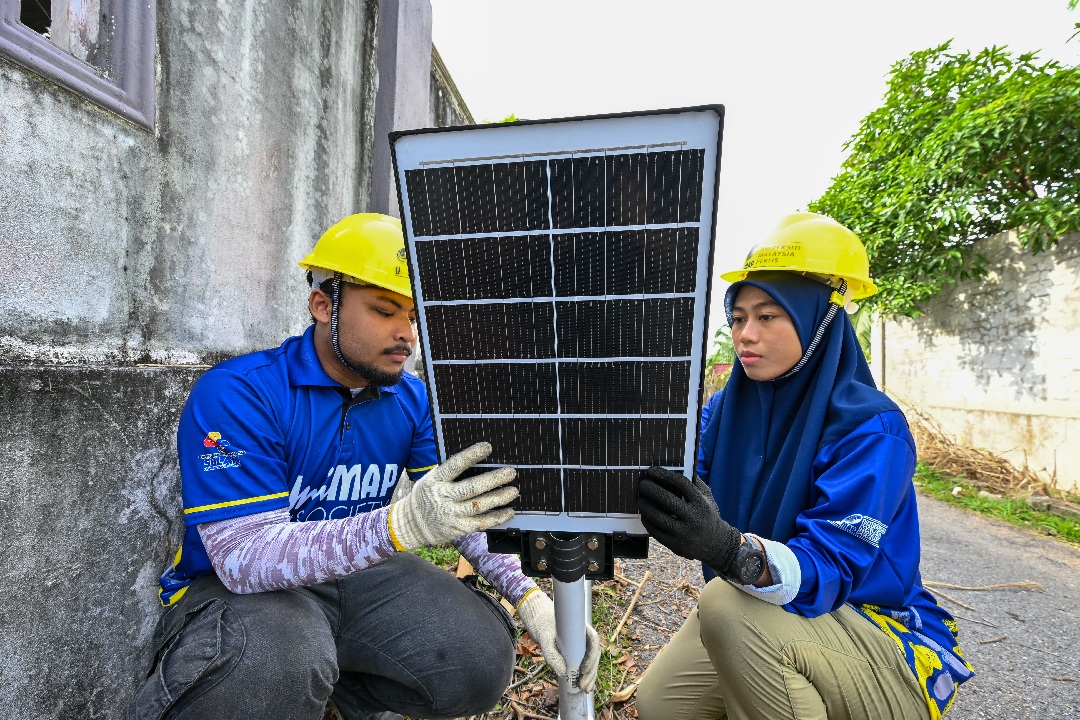
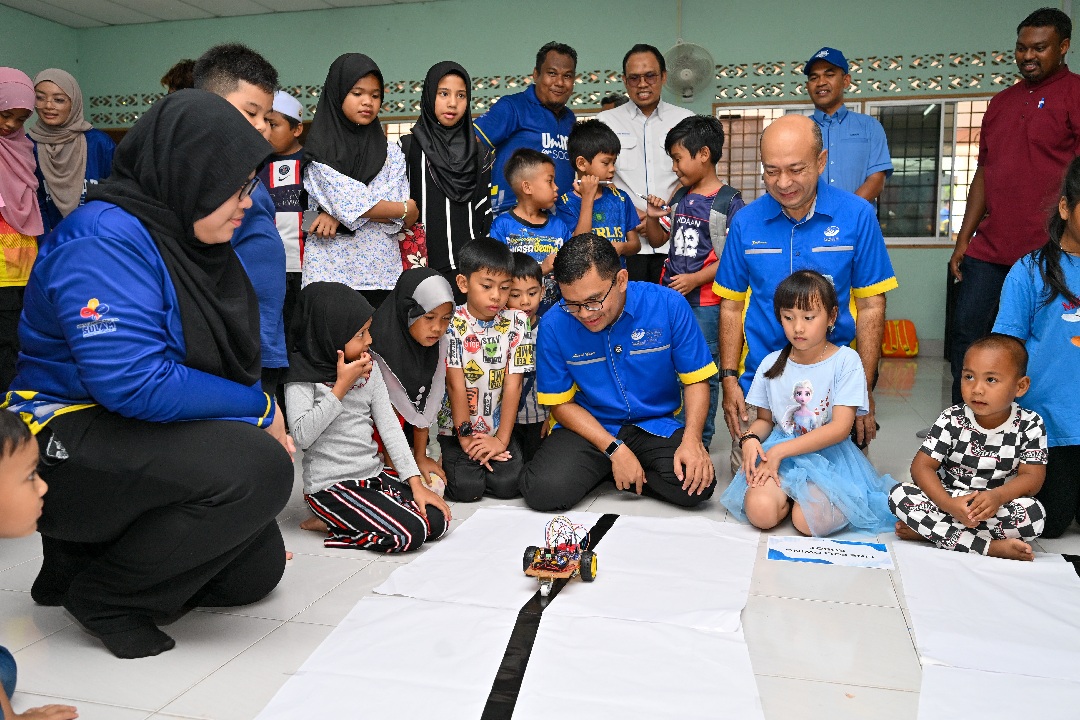
One such initiative is the MELP-SULAM Cahaya Prihatin Programme with Universiti Malaysia Perlis (UniMAP). The programme began in FY2025, with students reaching out to local communities to share the knowledge they had gained. This demonstrates how knowledge developed within educational institutions can subsequently be extended to the wider community.
Topics covered included sustainability and solar energy, energy conservation and efficiency, and electrical safety. The programme also included the installation of 10 solar streetlights and TNB's corporate social responsibility support for electrical inspections and rewiring works at 10 asnaf homes.
Beyond higher learning institutions, MELP also recognises the importance of developing energy awareness among school students.
In FY2025, Powering the Future Programme 3.0 covered 30 primary and secondary schools, reaching 3,248 students. Topics included ESG, energy efficiency, renewable energy and electrical safety. The Powering the Future programme has been implemented since FY2023.
Embedding energy literacy within formal education provides an opportunity to move beyond one-off awareness activities towards more structured and sustained learning, helping prepare future generations to better understand and participate in Malaysia’s evolving energy landscape.
Turning Knowledge into Wider Engagement
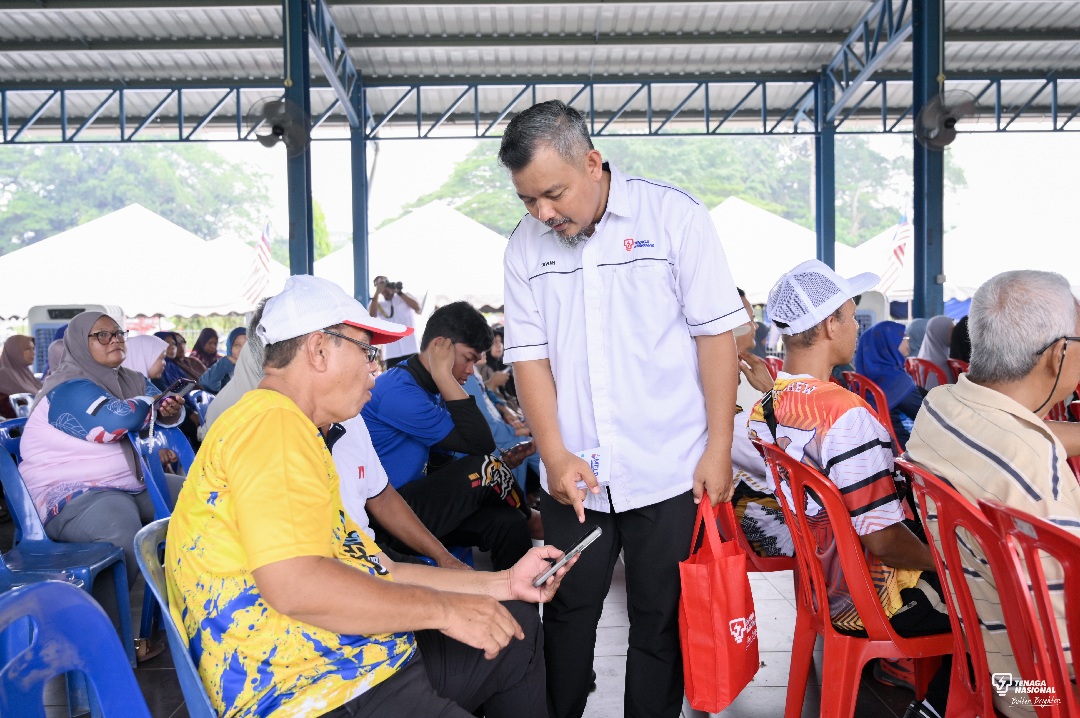
MELP also extends beyond educational institutions to Government agencies, communities, associations, employees and the wider public.
For FY2025, TNB was assigned a target of five MELP learning-series initiatives.
The actual delivery exceeded this target, with 13 initiatives comprising 34 learning sessions, reaching approximately 12,800 participants.
Participants included personnel from Ministries and agencies, students, teachers, associations, members of the public and TNB employees. Topics included electricity tariffs, electrical safety, energy conservation and efficiency, nuclear energy and electric vehicles.
The range of topics reflects the practical nature of energy literacy. For consumers in particular, understanding the relationship between electricity consumption, tariffs, energy-efficiency measures and monthly bills can help translate technical energy information into decisions that are relevant to everyday life.
MELP therefore provides a platform not only for explaining longer-term developments in the energy sector, but also for addressing immediate information needs that affect consumers directly.
Importantly, the programmes are also designed to assess whether engagement translates into improved understanding.
For example, a learning session conducted with PETRA and Suruhanjaya Tenaga on no-cost energy-efficiency measures for Government premises across Ministries recorded a 70% improvement in energy efficiency literacy among participants.
Such measurements mark an important shift from simply counting participation to assessing whether energy education improves knowledge.
Expanding Reach Through Strategic Collaboration and Partnership
Collaboration is central to MELP’s ability to reach different segments of society.
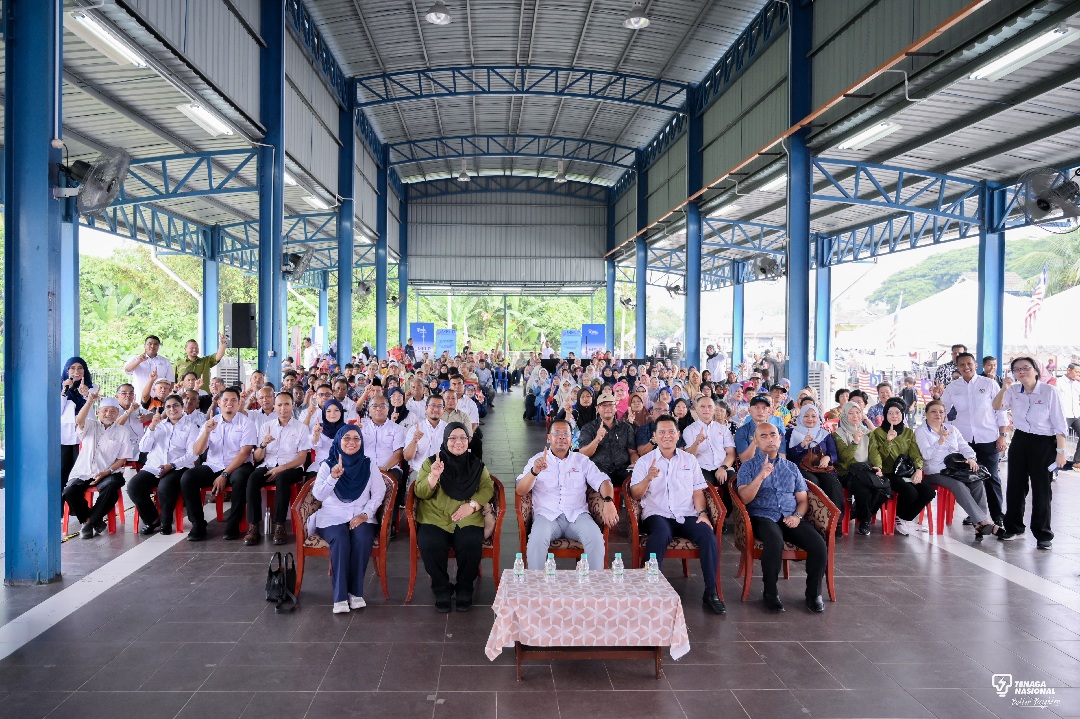
Through MELP, TNB has established strategic collaborations with more than 25 Ministries and Government agencies, as well as universities and organisations such as the Federation of Malaysian Consumers Associations (FOMCA) and Persatuan Pengguna Islam Malaysia (PPIM).
Across TNB’s MELP-related activities, more than 50 education programmes, campaigns, exhibitions, school and university engagements and community outreach activities were conducted. At national level, MELP reached 35,927 people in 2025.
Based on our Corporate Reputation Survey, energy literacy across MELP target audiences - Government and Ministries; students, higher learning institutions and youth; TNB employees; media; customers; and the public - improved by 8.94% from FY2024 to FY2025, reaching 82.33%.
Together, these outcomes demonstrate how MELP is expanding beyond awareness-building towards developing a broader base of informed consumers and stakeholders who are better equipped to understand changes taking place across the energy sector.
Supporting an Informed Energy Transition
Malaysia’s transition towards a more sustainable energy system requires investment in infrastructure, technology and new energy solutions.
However, a successful transition also depends on whether people understand these changes.
Customers who understand their electricity consumption are better positioned to improve energy efficiency. Communities that understand renewable energy and emerging technologies are better equipped to participate in discussions surrounding the transition.
This makes energy literacy more than an awareness exercise. It is an enabler of behavioural change, customer empowerment and greater participation in the energy transition.
As MELP continues to expand through education, partnerships and community engagement, TNB is helping to strengthen the knowledge Malaysians need to make informed energy decisions - from managing monthly electricity use to participating more meaningfully in the country's energy transition.