As Malaysia advances towards a lower carbon future, the energy transition is increasingly shaped not only by infrastructure and technology, but also by how it is financed.
For Tenaga Nasional Berhad (TNB), sustainability is embedded within its corporate strategy through its Energy Transition Plan and Net Zero 2050 aspiration. Delivering these ambitions at scale requires a structured approach to ensure that capital is directed towards activities that generate measurable environmental and social outcomes.
The introduction of TNB's Transition Finance Framework (TFF) in July 2024 reflects this approach. It establishes a clear pathway to align financing activities with sustainability commitments, enabling the Group to raise funds for projects and capital expenditures that support its transition journey.
A Structured and Credible Financing Approach
Our TFF outlines how TNB raises, allocates and manages sustainable financing in a transparent manner.
It is developed in alignment with internationally recognised principles, including guidance from the International Capital Market Association (ICMA) and regional ASEAN standards. In addition, it also references the ASEAN Taxonomy for Sustainable Finance Version 2 and the ASEAN Transition Finance Guidance.
To further strengthen its credibility, the framework has been independently reviewed through a Second-Party Opinion provided by Sustainalytics, assessing its alignment with recognised market principles and overall robustness.
To ensure consistency and accountability, the framework is anchored on four core components:

Use of Proceeds

Project Evaluation and Selection

Management of Proceeds

Reporting
The evaluation and selection of eligible projects are governed by the Sustainable Finance Committee (SFC), comprising cross-functional representatives, which oversees the review and approval of projects to ensure alignment with the framework and TNB’s sustainability strategy.
These elements provide clarity on how financing decisions are made and how these fundings indirectly support TNB’s sustainability strategy.
Channelling Capital into Priority Areas
The framework enables TNB to direct financing towards areas that support both decarbonisation and broader socio-economic development.
It covers three main categories of eligible projects:
1. Green Projects
- Include renewable energy, energy efficiency, green buildings and clean transportation
2. Transition Projects
- Support lower carbon power generation as part of the gradual shift in the energy mix
This balanced approach reflects the need to manage the transition in a practical and inclusive manner, where environmental progress is complemented by social value.
Enabling Transparent Progress towards Long-Term Transition Goals
The TFF plays an important role in supporting TNB’s Energy Transition Plan, while reinforcing transparency and accountability on the financing aspects.
TNB has committed to achieving Net Zero emissions by 2050, with targets that include a 35% reduction in emissions intensity and a 50% reduction in coal generation capacity by 2035, alongside the expansion of renewable energy. Delivering these ambitions requires sustained capital investment across the electricity value chain, from generation to networks and customer solutions.
In this context, the framework aligns financial resources with initiatives that advance decarbonisation, grid modernisation and customer participation in the transition. At the same time, it strengthens transparency through regular disclosure on how funds are allocated and the outcomes achieved.
This includes tracking environmental and social indicators such as emissions reductions, energy savings and community-related benefits. By making progress visible, the framework enhances stakeholder confidence and demonstrates how financing translates into measurable impact.
In this regard, financing serves as a key enabler that connects long term strategy with implementation, supporting a structured and accountable transition towards a lower carbon future.
Translating Strategy into Financing Mechanisms
The TFF provides a structured mechanism for TNB to operationalise its sustainability strategy through financing activities.
Under the framework, TNB is able to undertake a range of sustainable finance instruments, including Sustainable and Responsible Investment (SRI), Green, Social and Sustainability (GSS) and Transition Sukuk, GSS and Transition bonds, and GSS and Transition Loans. These instruments enable the Group to access a broader range of financing options, while ensuring that proceeds are channelled towards eligible projects aligned with its Energy Transition Plan.
At this juncture, TNB is undertaking sukuk issuances at both the corporate and project levels under the TFF. At the corporate level, TNB has established an Islamic Medium Term Notes (Sukuk Wakalah) Programme of up to RM10.0 billion, which is expected to be issued in May 2026. At the project level, TNB through its wholly owned subsidiary TNB Kuala Muda Solar Sdn. Bhd. (TKMS), has issued an ASEAN Green SRI Sukuk Wakalah of up to RM1.05 billion to finance the development of a 500 MWac solar photovoltaic project under the Large Scale Solar (LSS) scheme. Both issuances are aligned with the requirements of our TFF.
These financings are structured within a sustainability governance framework aligned with the Malaysian Code on Corporate Governance (MCCG), with well-defined processes for the evaluation, approval and monitoring of eligible projects, supported by transparent reporting and disclosure practices.
This provides a consistent approach on project selection and oversight, while strengthening the linkage between capital raising and project implementation.
Enabling the Transition through Capital
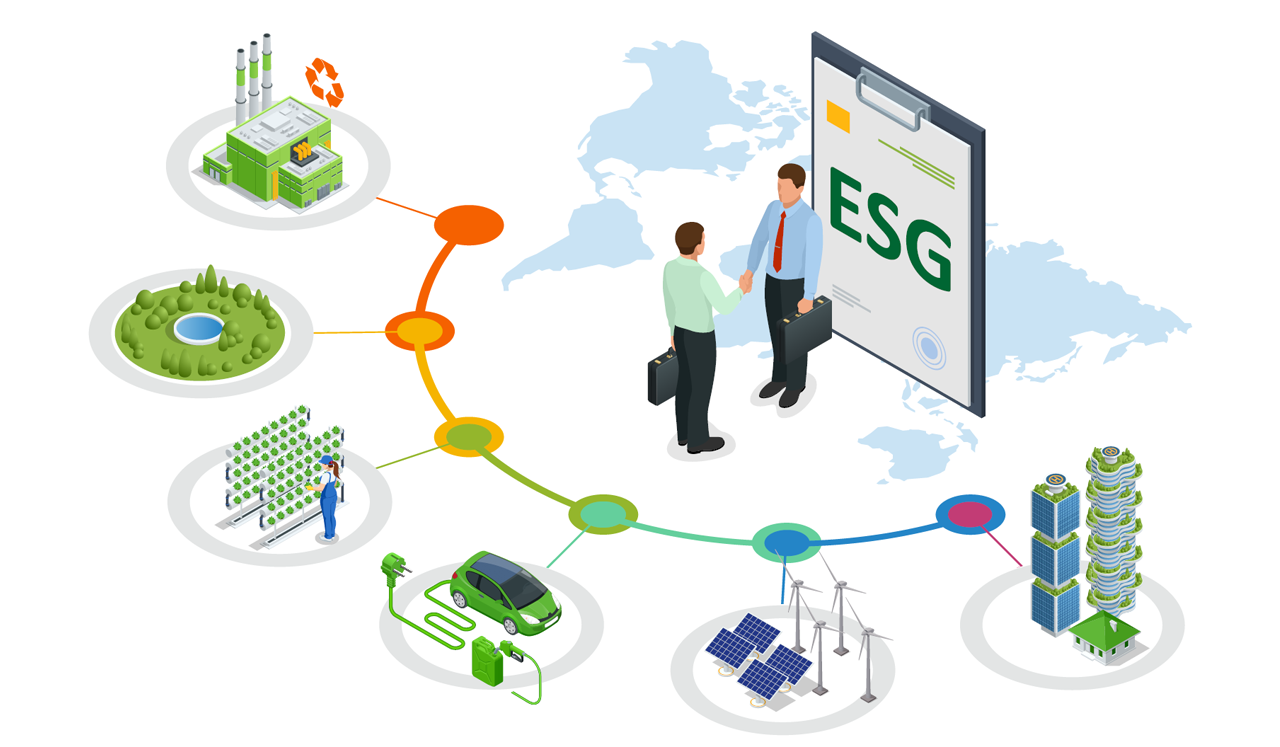
The Transition Finance Framework provides a structured and credible approach to ensure that financing initiatives support meaningful environmental and social outcomes. By linking capital with impact, it strengthens the foundation for a more sustainable and resilient energy future.
In doing so, TNB continues to play a central role in powering Malaysia’s transition, both through the energy it delivers and the way it finances that future.