Hydroelectric reservoirs, which store water for electricity generation, play a vital role in supporting reliable and renewable energy supply. While hydroelectric reservoirs are a key source of renewable energy, they are also shaped by natural processes that require ongoing management.
Over time, rivers carry sediment into reservoirs, where it gradually settles on the reservoir bed. This natural process, while expected, presents an ongoing operational consideration. If left unmanaged, sediment build-up can reduce water storage capacity and affect the efficiency of hydroelectric operations.
Across the industry, this material is typically removed through dredging and managed as waste, requiring dedicated storage areas and long-term oversight.
In Cameron Highlands, this challenge is particularly evident. Ringlet Lake and the rivers that flow into it, including Sungai Jasik, accumulate an estimated 200,000 to 400,000 cubic metres of sediment annually. Existing storage sites already hold substantial volumes of sediment, with deposits estimated to remain for decades. Managing sediment in a more sustainable and productive manner has therefore become an increasing priority.
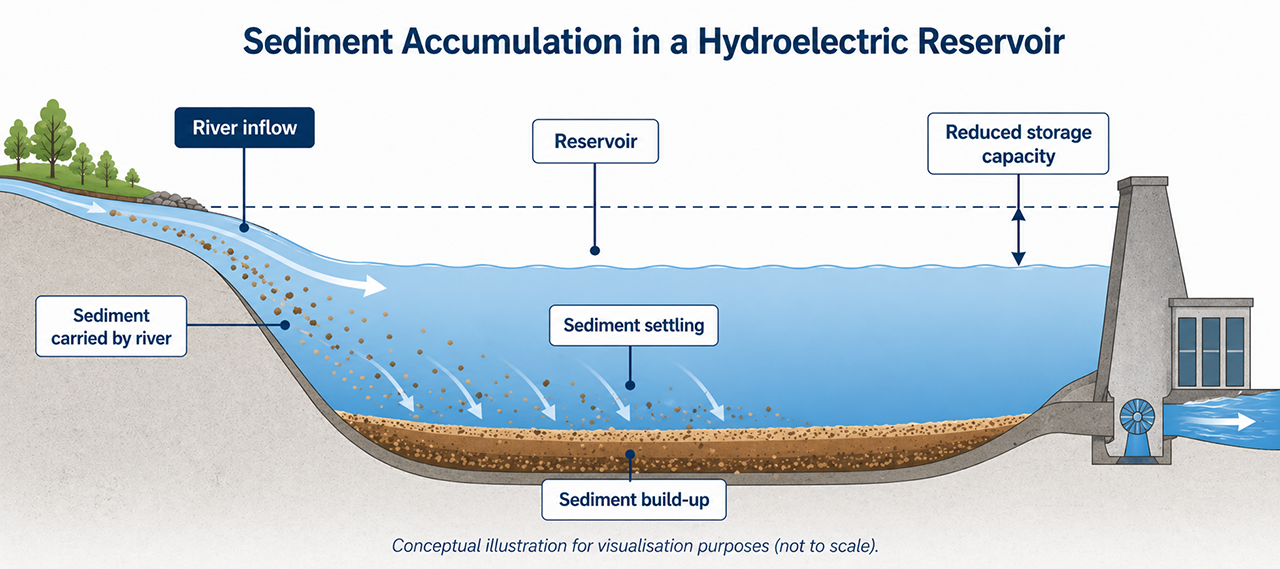
Figure 1: Sediment Accumulation in a Hydroelectric Reservoir
Exploring Circular Approaches to Resource Management
Recognising the opportunity to apply circular economy principles to reservoir management, Tenaga Nasional Berhad (TNB) through TNB Research Sdn. Bhd., undertook a structured study to explore how sediment could be repurposed into a usable construction material. The aim was to move beyond conventional disposal practices and identify a technically viable method for resource recovery.
As part of this effort, the ‘green’ sediment brick was developed. The production process involves cleaning, breaking down and mixing the sediment with selected additives, before forming the bricks using high-pressure compression.
Unlike conventional clay bricks that require high-temperature firing, this process does not involve burning. Instead, the material is pressed into shape and left to harden over a few days. This allows the bricks to reach maturity within two to three days while avoiding the need for high-temperature processing.
At a temporary on-site facility equipped with a crusher, mixer and brick-forming system, the pilot production line demonstrated an output of approximately 240 to 270 bricks per hour. Preliminary testing further indicates that the bricks achieve a compressive strength ranging from 6.3 to 12.8 MPa, comparable to standard cement sand bricks available in the market. Each brick contains approximately 80–85% sediment, reducing reliance on conventional raw materials such as clay.
Indicative Comparison of Brick Performance and Cost
| Type of Brick | Compressive Strength (MPa) | Estimated Cost (RM) |
|---|---|---|
| Clay Brick (Fired) | ~15 | ~0.55 |
| Cement Sand Brick | ~7 | ~0.42 |
| Sediment Brick | 6.3 ~ 12.8 | ~0.25 – 0.35* |
|
- Indicative values based on pilot production data and site-specific
conditions in Cameron Highlands. - Values are subject to further validation * based on cost of RM0.20 calculated using current production line |
||
Table 1: Indicative Comparison of Brick Performance and Cost
Conventional VS Sediment-Based Brick Protection
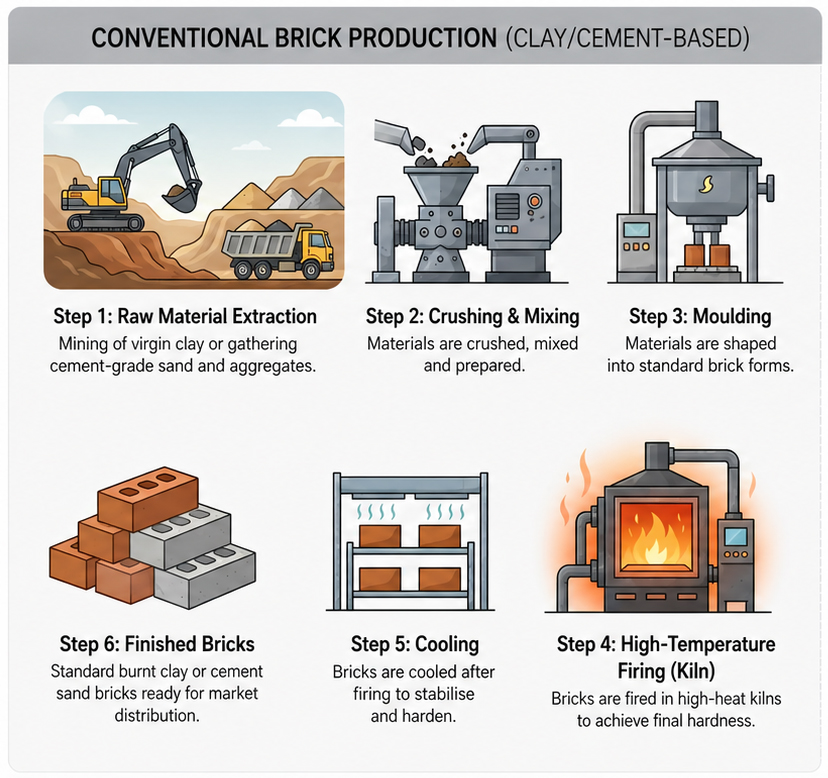
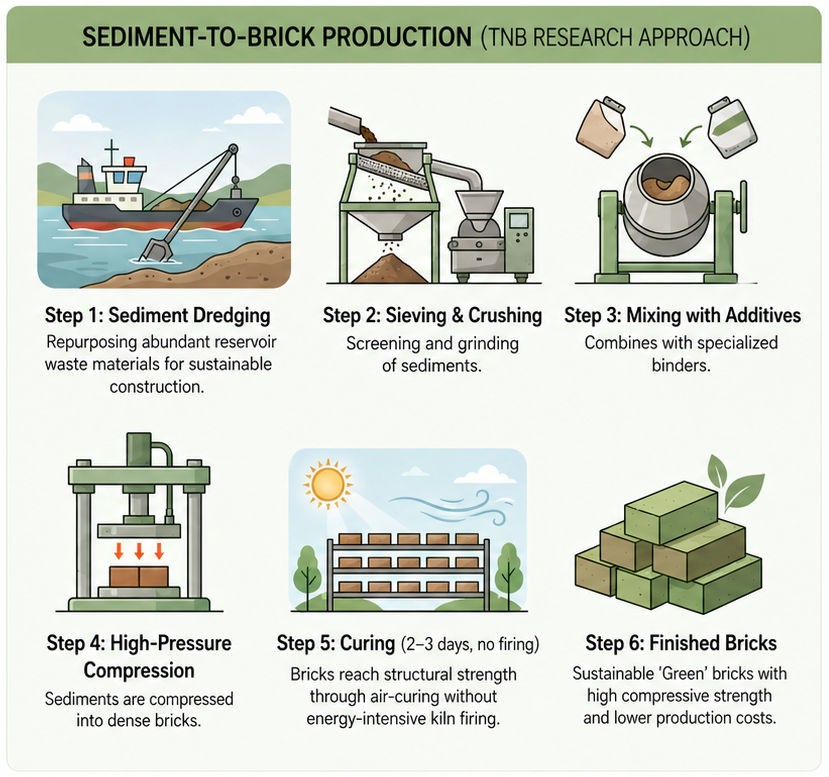
Figure 2: Conventional vs Sediment-Based Brick Production
Conceptual
illustration (AI-generated using generative AI tools)
From Waste to Practical Application
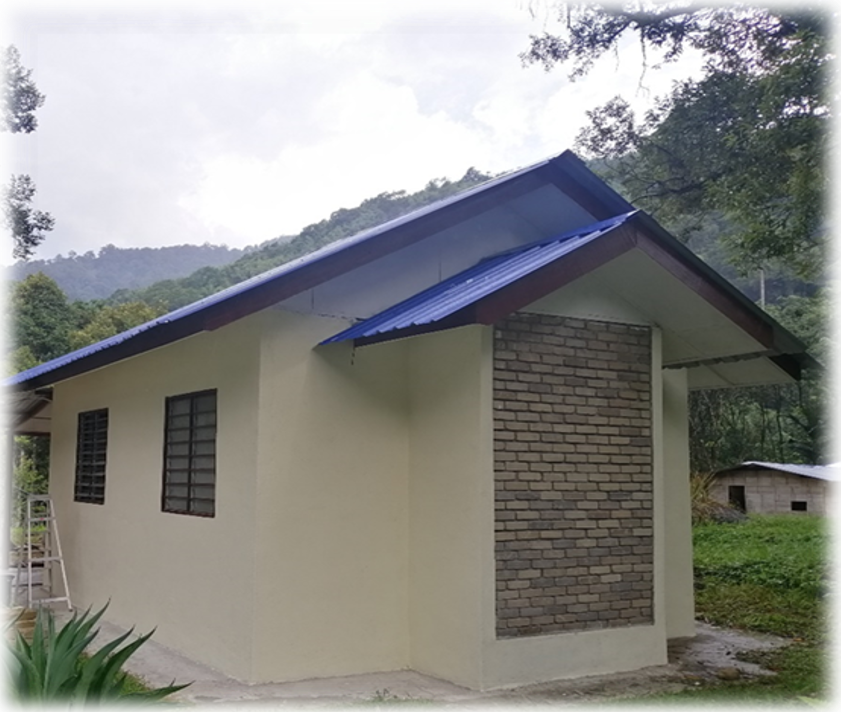
The initiative demonstrates how dredged material can be redirected from storage sites into productive use. One early application involved the reconstruction of Surau Kampung Abu, where approximately 4,000 sediment bricks were used to rebuild a community facility that had previously fallen into disrepair.
During the pilot phase, local Orang Asli communities were also engaged in site operations, including maintenance and brick production, providing opportunities for participation and income generation.
In addition to supporting local infrastructure needs, the estimated production cost of around RM0.20 per brick indicates its potential suitability for use in rural or resource-constrained areas. Taking into account transportation and logistics considerations, the use of sediment bricks may be more practical when applied within or near the Cameron Highlands area.
This demonstrates how operational by-products can be redirected to support both infrastructure needs and local community development.
Scaling Potential for Resource Recovery
While the project remains at a pilot stage, the scale of available sediment indicates broader potential. Resource recovery efforts could be expanded further, subject to technical and operational considerations.
Ongoing work will focus on assessing scalability, including the feasibility of localised production facilities and the long-term performance of the material in different applications.
There are also limitations to broader application. The characteristics of sediment, which may be influenced by surrounding land use, including agricultural activities, can affect its suitability for different construction purposes.
Beyond Cameron Highlands, similar opportunities are being explored at other hydroelectric sites such as Chenderoh and Kenyir, although sediment availability in these locations is comparatively lower.
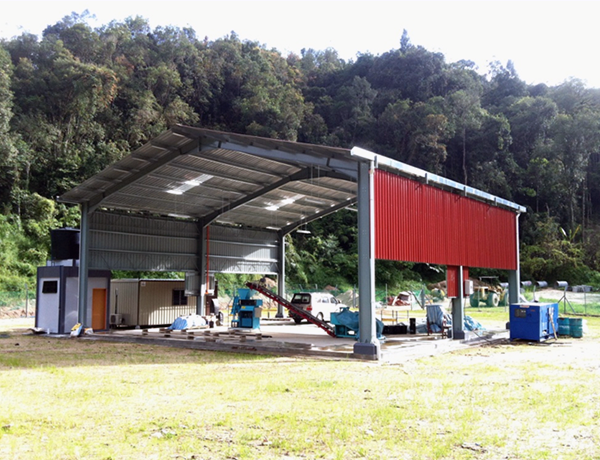
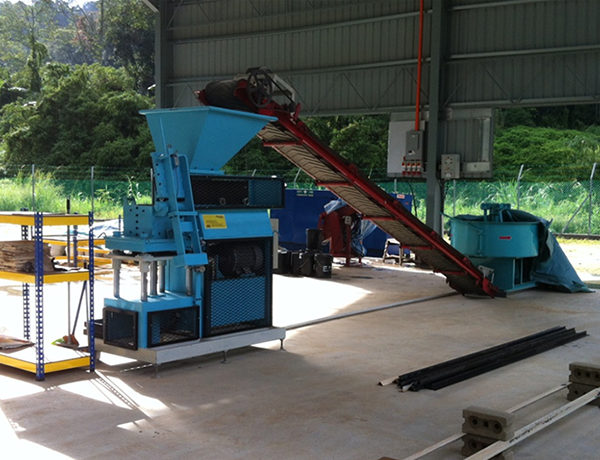
Facilities at site - temporary experiment station
Supporting Long-Term Sustainability
As part of its broader approach to sustainable operations, TNB continues to explore practical solutions that address operational challenges while supporting more responsible resource utilisation.
Initiatives such as this reflect a measured step towards reducing waste and strengthening the long-term sustainability of hydroelectric assets, while supporting more efficient use of materials within the built environment.