(Continuation from Part 1 of the ESG Story – 'Building Malaysia's Hockey Future, Where Young Players Begin', dated 25 June 2026)
A strong sporting ecosystem is built over time. It requires more than talented players. It needs schools that introduce the game early, coaches who guide development, competitions that provide exposure, associations that coordinate pathways and communities that continue to support the sport.
For Malaysian hockey, this ecosystem has been shaped by many stakeholders, including schools, coaches, state associations, the Malaysia Hockey Confederation (MHC), government agencies, families and development partners. Tenaga Nasional Berhad (TNB)’s involvement sits within this wider network, supporting efforts to make hockey development more structured, inclusive and sustainable.
Under the new TNB Hockey Development Framework 2026–2030, the companys commitment is structured around three broad pillars: hockey development programmes, strengthening leagues and tournaments, and supporting the national team pathway. The framework is anchored by a renewed five-year sponsorship of RM25 million to MHC, reinforcing a partnership that has spanned two decades and supported the game across multiple levels.
Starting Early Through Grassroots Participation
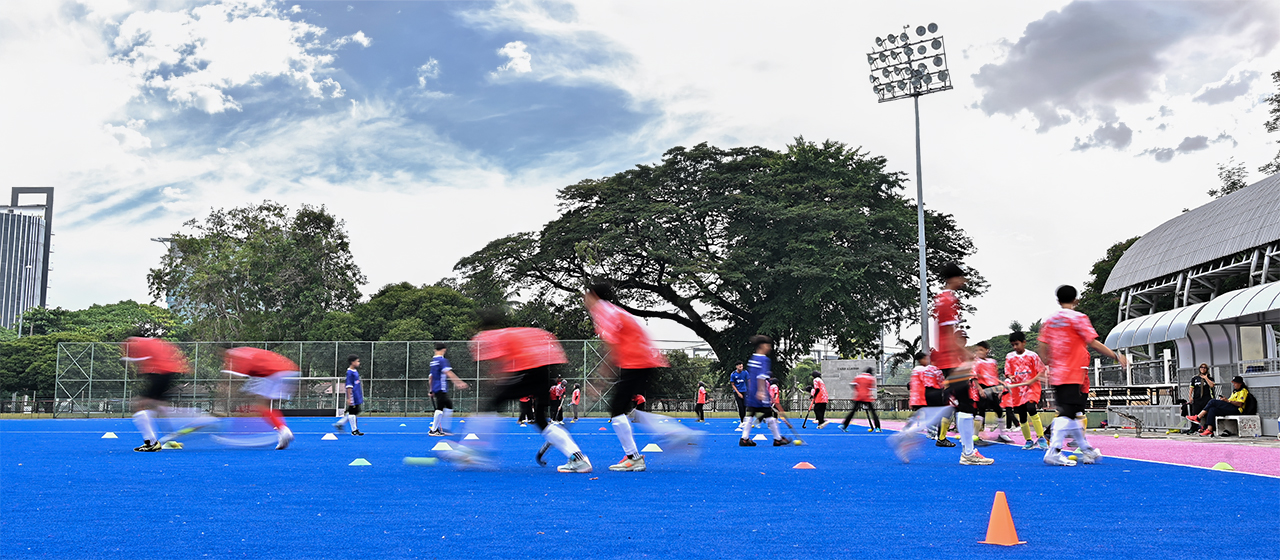
Grassroots development is important because it creates the first point of access. Before players can be selected for school teams or development squads, they need the chance to experience the game in a safe, enjoyable and age-appropriate setting.
The framework outlines grassroots programmes for children aged seven to twelve and youth programme U21 (Under-21), using a “Fun, Safe & Inclusive” approach to introduce basic hockey skills, motor coordination and early interest in the sport. It targets participation from 10,000 young Malaysians nationwide and includes equipment support for 125 schools, benefiting around 2,000 students.
This is a key social dimension of the programme. By widening early exposure, hockey becomes more accessible to students who may not otherwise have the chance to participate in structured sports activities.
Creating Clearer Development Pathways
Beyond early exposure, young players need a pathway that allows them to progress. This includes talent identification, school-level training, junior competitions and opportunities to move into higher levels of the game.
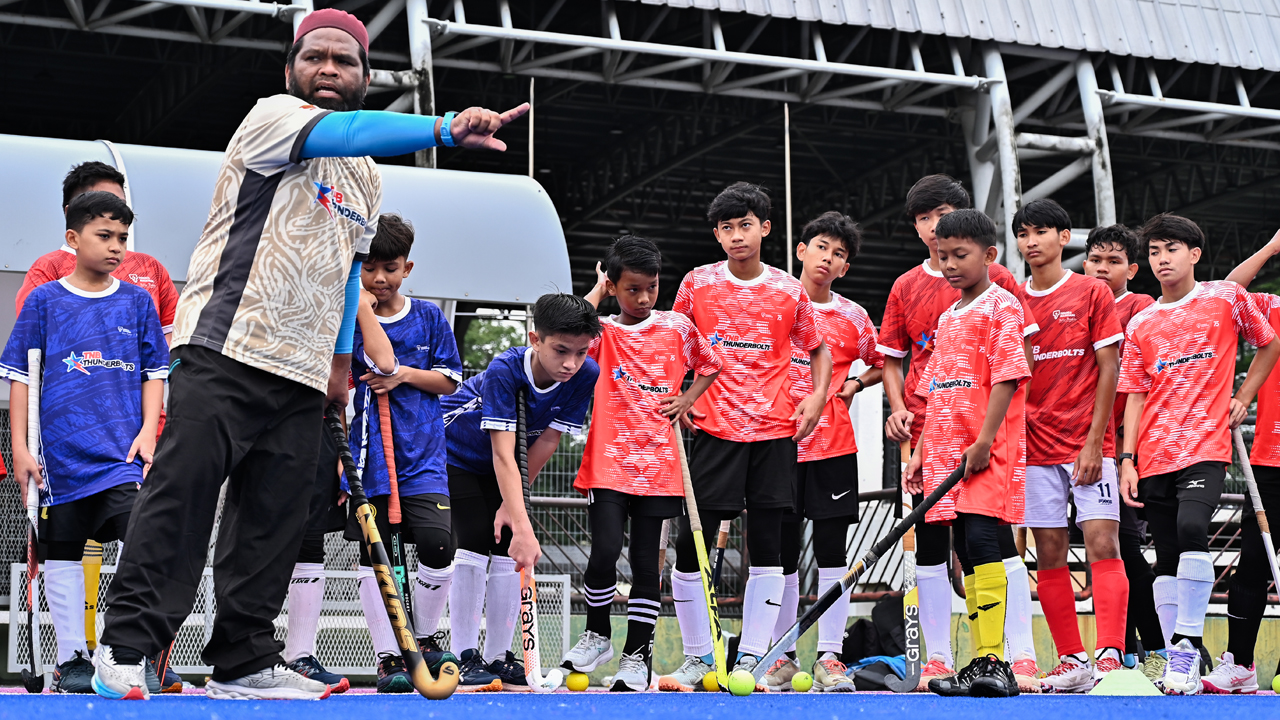
TNB’s framework identifies four main components under hockey development: grassroots programmes, talent scouting, Thunderbolts School Programmes and coaching development. Talent scouting focuses on players aged 16 to 21, supported by state-level talent camps that aim to reach around 700 players. Thunderbolts School Programmes continue to support students aged 13 to 19 through adopted schools and structured training.
The framework also sets out a target to have one adopted school in every state by 2030. This can help make the pathway more geographically balanced, allowing more students from different parts of Malaysia to access hockey development opportunities.
Strengthening Coaches and Mentors
Coaches are central to youth development. They teach technical skills, but they also shape discipline, teamwork and confidence. For young athletes, a good coach can become a mentor who helps them manage pressure, stay focused and make better choices.
The TNB Hockey Development Framework includes coaching development as one of its core components, with the aim of training around 50 coaches and improving coaching quality at school and state levels. The programme covers technical and tactical exposure, structured training methods, certification pathways, and the inclusion of teachers and former players in the coaching pipeline.
This helps create continuity. When former players, teachers and community coaches are equipped with stronger coaching knowledge, they can continue supporting the next generation of players within their own schools and communities. The recent appointment of former Olympian Nor Saiful Zaini as national junior team head coach is one example of how Thunderbolts alumni continue contributing to the national pathway.
Keeping the Game Visible Through Hokita
Developing a sport is not only about players and coaches. Public interest also matters. Fans, families and communities help create the emotional support that keeps a sport alive.
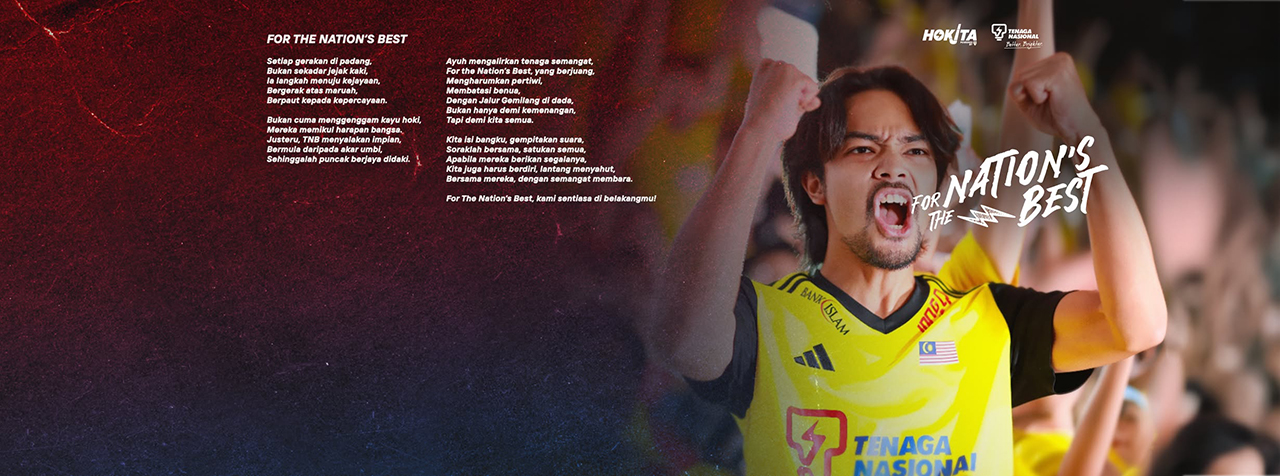
In 2018, TNB introduced Hokita, a digital campaign launched in conjunction with the Hockey World Cup in Bhubaneswar, India, to rally support for Malaysia’s national hockey team. The campaign invited Malaysians to follow the national team’s journey through Facebook, X, and Instagram. More recently, Hokita’s social platforms have continued to serve hockey fans with match results, real-time updates, stories, clips and behind-the-scenes content.

This connection is important because it brings the public closer to the players. It also helps ensure that hockey is not seen only as a competitive sport, but as a shared national interest that families, fans and communities can take part in.
Supporting the Wider Hockey System
A sustainable hockey ecosystem needs continuity across different levels: grassroots, school, junior, club, senior and national pathways. Competitions such as the Malaysia Junior Hockey League and the Malaysia Hockey League (MHL) provide exposure for players, while school and state-level activities help maintain participation.
The framework recognises the importance of strengthening league and tournament structures, including the role of schools, clubs, state associations and MHC in supporting a more consistent development environment. It also supports flagship competitions such as the Tun Abdul Razak Cup, the Sultan Azlan Shah Cup and the Sultan of Johor Cup, which give players exposure across age groups and levels of play.
At the same time, the framework positions national team development as part of a broader system, supported by player selection, high-performance training, international exposure, athlete monitoring, coaching certification and athlete welfare. This wider system is what allows talent identified at school level to eventually compete on the international stage.
Part of a Wider Community Commitment
TNB’s hockey investment forms part of a much wider community footprint. Sports development sits within the company’s broader Community Investment portfolio, alongside education, environment, and socio-economic support, reflecting TNB’s role as a national company that contributes beyond its core business of energy.
The implementation of the framework is coordinated with the MHC, the Ministry of Youth and Sports and the Ministry of Education (MOE). This multi-stakeholder approach is important, because sustaining national sports development requires continued collaboration across institutions, schools and communities, rather than the effort of any single organisation.
2026–2030 Targets Snapshot
10,000 youths
Grassroots Participation
125 schools
School Equipment Support
700 players
Talent Camp Participation
50 trained coaches
Coaches Development
100+ players since 2009
National Player Pipeline
Conclusion
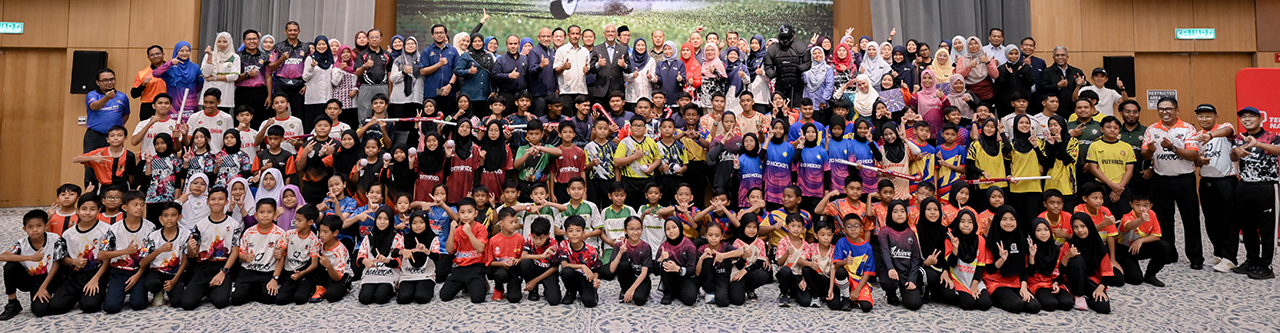
TNB's contribution to hockey development can be viewed as part of a wider social investment in youth, education and community participation. It is a long-term commitment built up over five decades, renewed through a five-year, RM25 million partnership with MHC for the 2026 to 2030 cycle.
Through grassroots exposure, Thunderbolts school programmes, coaching development, competition pathways and platforms such as Hokita, TNB helps support an ecosystem where young Malaysians can access opportunities, develop discipline and remain connected to the sport.
The impact is not measured only by medals or rankings. It is also reflected in the students who gain confidence, the coaches who continue mentoring, the schools that sustain participation and the communities that keep supporting the game.
Voices From the Programme