The electricity industry is undergoing a structural shift. As demand grows and distributed energy becomes more common, greater emphasis is placed on efficiency, including how electricity is monitored and managed. In this evolving landscape, conventional metering systems designed for one-way power flow and periodic manual readings are no longer sufficient.
Advanced Metering Infrastructure (AMI) addresses this gap through a digitally enabled metering approach. Rather than functioning as a standalone device, AMI integrates smart meters, communication networks and data management systems to enable secure two-way information exchange between utilities and customers.
For Tenaga Nasional Berhad (TNB), AMI forms a key component of grid modernisation under Malaysia’s regulated electricity framework. By improving the accuracy and timeliness of energy data, AMI supports more efficient operations and strengthens the foundation for future energy services.
AMI is not positioned as a short-term efficiency initiative. It is implemented as long-term infrastructure designed to support evolving system needs while maintaining reliability for millions of customers.
What AMI Enables at System Level
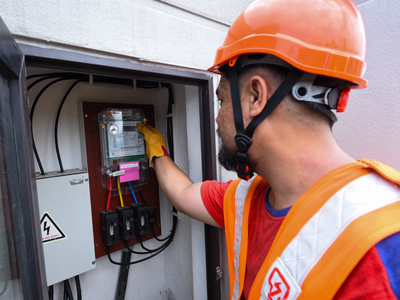
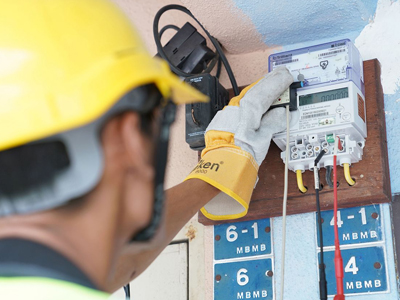
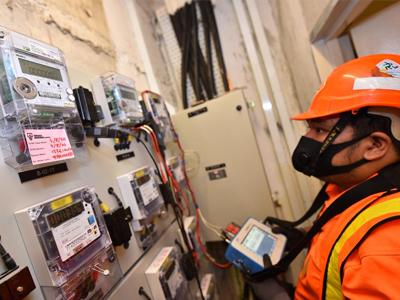
AMI functions as an integrated system rather than a single technology. Smart meters installed at customer premises are connected through secure communication networks to centralised data platforms. This allows consumption data to be recorded and transmitted more efficiently than with conventional meters.
These capabilities translate into practical operational improvements. Automated meter reading reduces reliance on manual processes and supports accurate billing without estimation. More granular consumption data enhances system monitoring and improves oversight.
The same infrastructure enables measurement of bi-directional energy flows, supporting initiatives such as Net Energy Metering (NEM) and Time-of-Use (ToU) tariffs, which allow customers to optimise consumption patterns and integrate rooftop solar generation into the grid.
TNB’s AMI rollout is implemented under the Incentive-Based Regulation (IBR) framework approved by the Energy Commission (Suruhanjaya Tenaga). Deployment began with feasibility studies and pilot projects, followed by phased expansion across Peninsular Malaysia.
Efficiency and Long-Term Readiness
More than 5.6 million customers are currently served by smart meters nationwide. The rollout of the remaining approximately 4.5 million smart meters under Regulatory Period 4 (RP4) is scheduled for completion by 2027.

The programme expanded from early pilots in Melaka and Putrajaya to major urban and semi-urban regions, and continues across remaining areas under the current regulatory period.
Operationally, AMI enhances:

Meter-reading productivity

Reduces travel requirements

Lowers costs associated with manual billing & customer enquiries
Planned enhancements are expected to further improve visibility of service disruptions and response times.
Beyond operational efficiency, AMI strengthens data consistency and supports clearer billing, reducing disputes and reinforcing confidence in electricity transactions as the energy system grows more complex.
By establishing a scalable metering infrastructure, AMI prepares the electricity system to accommodate growing electrification, wider adoption of distributed energy resources and more flexible tariff structures.
Recognising that infrastructure alone does not deliver impact, TNB places strong emphasis on a structured end-to-end customer journey to ensure smooth adoption. From pre-installation engagement and safety assurance to post-installation guidance on smart features, customers are supported throughout the transition.
This approach helps ensure that the benefits of smart metering extend beyond system capability and translate into practical value for customers.
As a continuation, the ESG story titled "AMI: Empowering Customers through Energy Insights" will be featured in the next publication.