Biodiversity refers to the variety of plants, animals, microorganisms and ecosystems that keep our environment healthy and balanced. Forests help filter water, wetlands reduce flood risks, and pollinators support food supply. For communities living close to nature, these ecosystems are part of everyday life and wellbeing.
For Tenaga Nasional Berhad (TNB), whose operations span generation, transmission and renewable energy development, managing biodiversity is an important part of responsible and sustainable growth. As TNB continues to support the country’s energy needs, it is equally important to understand how its activities may interact with nature and how potential impacts can be avoided, reduced or managed.
Strengthening biodiversity considerations across TNB's operations
TNB's biodiversity journey builds on the foundation of the TNB Biodiversity Framework, which formalises the Group’s commitment to biodiversity conservation and provides guidance for implementation across business units. Through Project BEAVER, this commitment has been translated into a practical risk management approach that supports more systematic biodiversity planning and action.
As a key outcome of Project BEAVER, TNB’s Biodiversity Risk Management Process was established, providing a structured process to embed biodiversity considerations throughout the life cycle of operational assets and projects. This process enables TNB to identify ecologically sensitive areas, assess potential impacts, implement targeted action plans, and monitor performance over time.
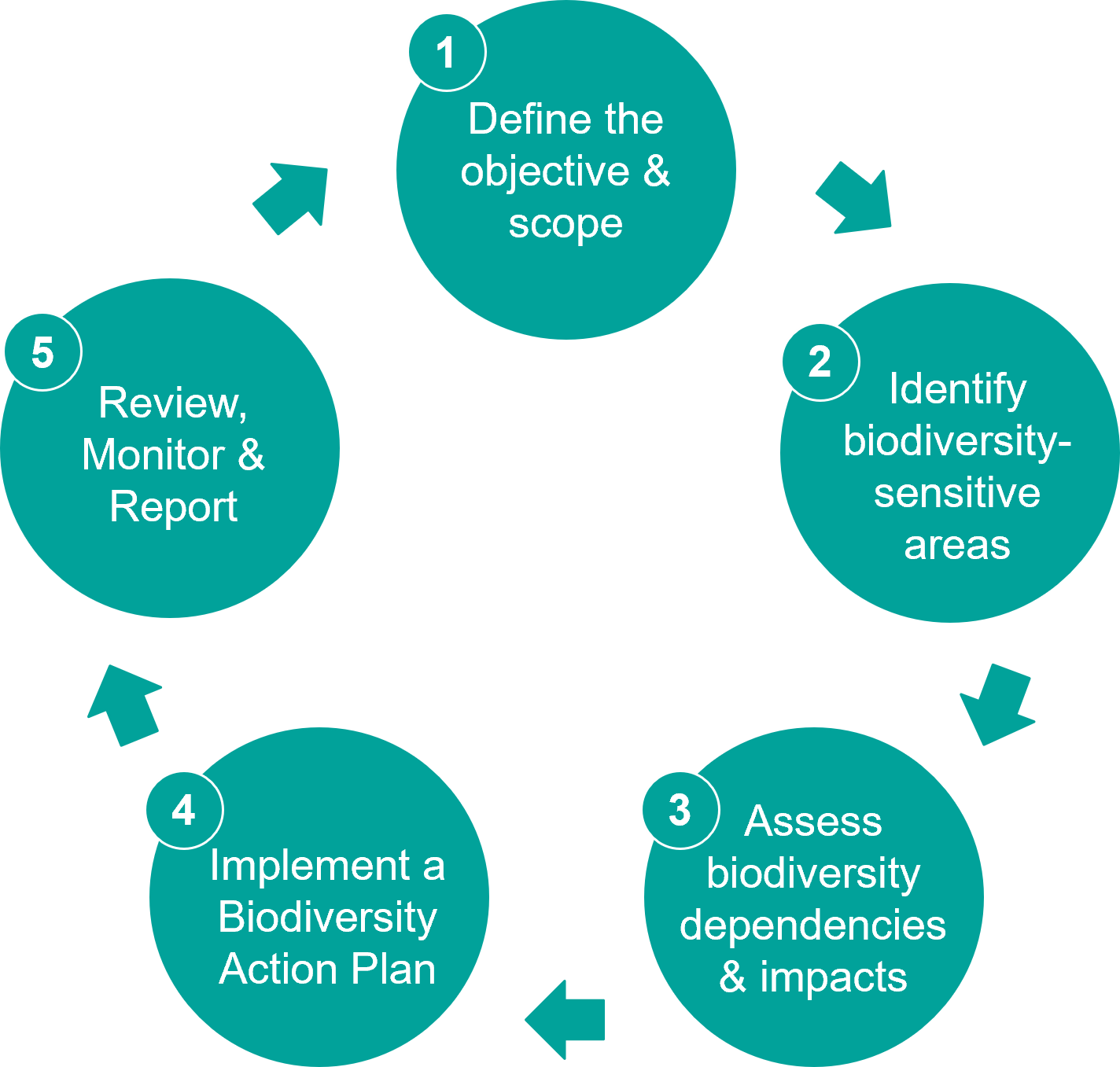
Figure 1: The 5-Step Biodiversity Risk Management Process
Furthermore, the Biodiversity Risk Management Process is aligned with the Taskforce on Nature-related Financial Disclosures’ (TNFD) LEAP approach, which stands for Locate, Evaluate, Assess, and Prepare. This strategic alignment ensures TNB manages nature-related risks in a consistent, credible manner that reflects recognised global best practices.
The five-step process guides TNB in defining the scope of assessment, identifying biodiversity-sensitive areas, assessing potential dependencies and impacts, implementing Biodiversity Action Plans and monitoring outcomes. In practice, it helps TNB understand where nature-sensitive areas are, how its activities may affect them, what actions should be taken, and how progress should be measured and reported.
Knowing Where We Stand: The Biodiversity Risk Map
A key component of the Biodiversity Risk Management Process is the Biodiversity Risk Map, which uses geospatial mapping tools to identify potential interfaces between TNB’s assets and biodiversity-sensitive areas. The development of this Biodiversity Risk Map considers Protected Areas (PA), Key Biodiversity Areas (KBA), and Permanent Reserved Forests (PRF) designated by the Malaysian Government and internationally recognised conservation organisations.
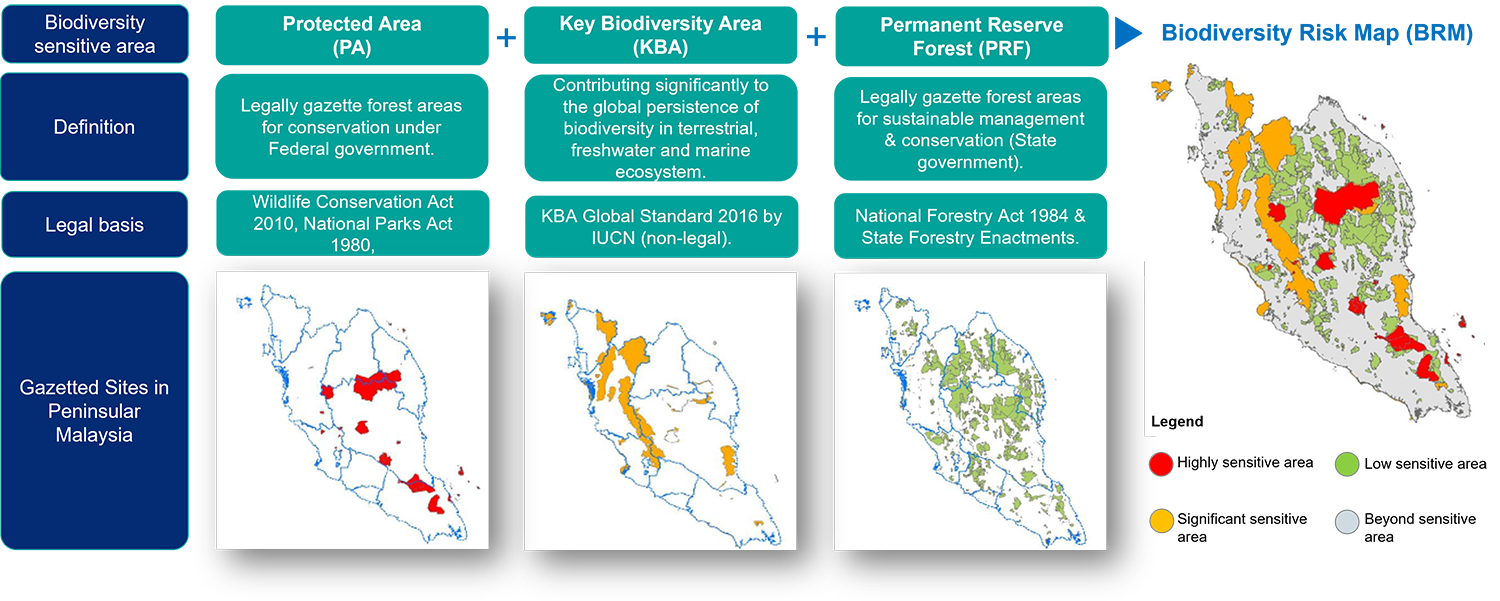
Figure 2: Biodiversity Risk Map (Click image for a clearer view)
The map provides a geospatial view of where TNB’s assets and projects interact with areas of biodiversity importance. This enables the early identification of ecological sensitivities and supports informed decision-making throughout the asset lifecycle. By understanding where sensitivities are greatest, TNB can prioritise biodiversity assessments and implement appropriate measures in accordance with the mitigation hierarchy to avoid, minimise, restore or offset impacts on nature.
Protecting Ecosystems: The Biodiversity Mitigation Hierarchy
For projects located in ecologically sensitive areas, TNB systematically evaluates potential risks to habitats, wildlife movement, and threatened species based on their likelihood and impact. To manage these risks, TNB applies the internationally recognised Mitigation Hierarchy: Avoid, Minimise, Restore, and Offset. Our top priority is always to avoid environmental harm from the outset, utilising offsetting only as a final resort.
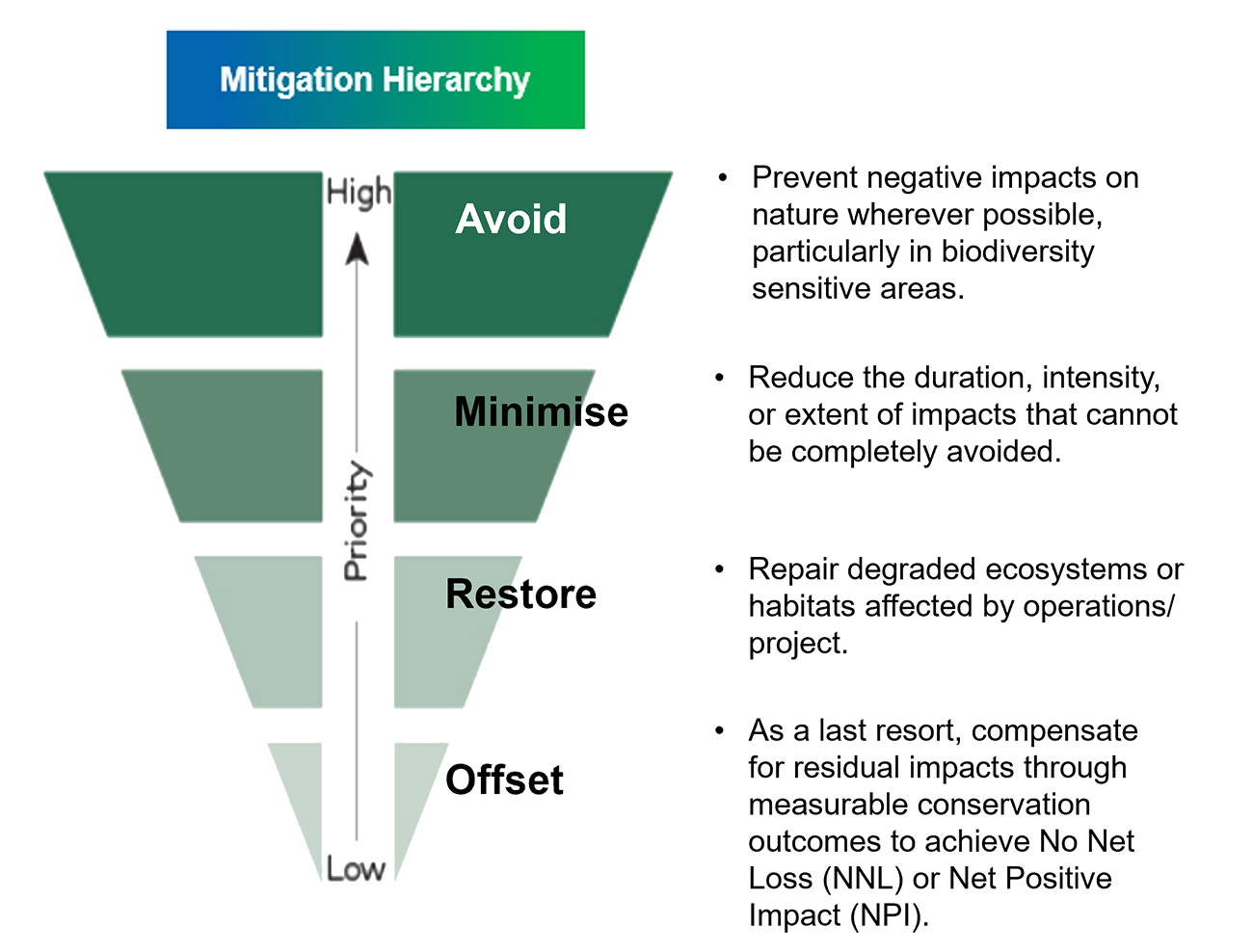
Figure 3: Biodiversity Mitigation Hierarchy
This structured approach is embedded across our operations through practical, site-specific initiatives:
Avoid
- Avoid construction in protected areas, key habitats, or critical wildlife corridors.
- Select project sites with lower ecological sensitivity (e.g., degraded land for solar farms).
Minimise
- Implement best engineering and operational practices to reduce habitat disturbance.
- Apply erosion control, sediment management, and pollution prevention measures.
- Schedule construction to avoid critical breeding or migration periods for local wildlife.
Restore
- Replant or restore native vegetation in temporarily disturbed areas.
- Rehabilitate riverbanks, wetlands, or degraded buffer zones affected by construction or operation.
- Monitor restoration success over time, adjusting interventions to improve ecological outcomes.
Offset
- Identify ecologically equivalent sites for biodiversity offsets such as tree planting at other degraded sites or forest conservation beyond the project site.
Embedding Biodiversity into the Asset Lifecycle
A key strength of the Biodiversity Risk Management Process is its emphasis on integrating biodiversity management throughout the asset lifecycle, from planning and construction to operations.
During planning
Biodiversity risks can be identified early through site screening, risk mapping and enhanced environmental assessments. This allows TNB to consider nature-related risks before key design and project decisions are finalised.
During construction
Site-specific action plans can be developed and implemented, supported by audits, awareness training and on-the-ground reporting of biodiversity observations.
During operations
Periodic assessments and biodiversity-friendly practices can support long-term monitoring, continuous improvement and accountability.
This lifecycle approach shifts biodiversity management from reacting after impacts occur to preventing and managing risks earlier. It ensures that biodiversity is considered throughout the full journey of an asset or project, not only when issues arise.
Towards Measurable Biodiversity Outcomes
TNB is committed to achieving Net Positive Impact (NPI) for new projects located in areas of high biodiversity sensitivity, thereby transitioning its conservation efforts towards tangible and measurable outcomes.
Net Positive Impact (NPI) aims to ensure that biodiversity gains from avoidance, minimisation, restoration and, where appropriate, offset measures outweigh the residual impacts of a project. For TNB, this allows biodiversity efforts to be linked more clearly to site-specific actions, performance indicators and long-term monitoring. It also provides a stronger basis for demonstrating progress in biodiversity management and improving the credibility of nature-related disclosures.
Through this approach, TNB is strengthening the foundation for more disciplined, transparent and measurable biodiversity stewardship while supporting the balance between infrastructure development and care for the natural environment.