Malaysia's flood patterns are becoming more varied due to evolving weather conditions and the broader effects of climate change. Seasonal monsoon floods, flash floods, and tidal floods now occur in different parts of the country, sometimes outside the usual monsoon period. These shifts have placed added pressure on electrical infrastructure, with substations and related assets facing increased exposure to potential damage.
Recognising this emerging climate reality, Tenaga Nasional Berhad (TNB) has strengthened its flood-mitigation and resilience planning across its distribution network through a structured approach that reduces risk, protects communities, and supports faster recovery after major floods.
Data-Driven Flood Risk Analysis
TNB applies a structured and proactive approach to identify substations that may be exposed to flooding. Using Flood Hazard Maps (FHM) and Flood Inundation Maps (FIM) from the Department of Irrigation and Drainage Malaysia (JPS), together with hydrological modelling and Geographic Information System (GIS) elevation data, TNB develops a complete and up-to-date list of substations located in flood-risk areas.
This approach ensures that risk identification is not just reactive to past events but also anticipates future scenarios. All vulnerable substations are tagged in the Supervisory Control and Data Acquisition (SCADA) system, the Advanced Distribution Management System (ADMS), and GIS to support emergency planning and timely decision-making.
As of 30 November 2025, TNB’s distribution network in Peninsular Malaysia comprises a total of 91,914 assets, including 1,074 Main Distribution Substations (PPU) and 90,840 distribution substations across the network. Within identified flood-hazard zones, 834 assets have been affected by flooding at least once, while 114 assets have experienced multiple flood events in the past. These insights reinforce the importance of targeted flood-mitigation planning and prioritisation to reduce exposure and strengthen network resilience in higher-risk areas.
Flood-Proofing Upgrades Across the Network
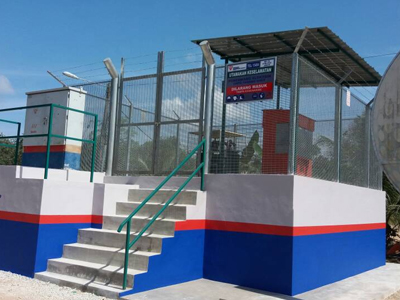
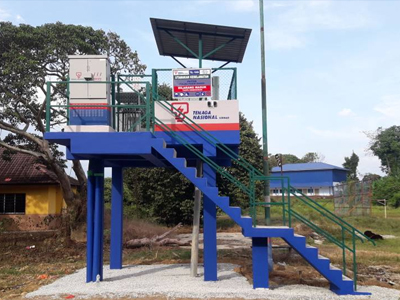
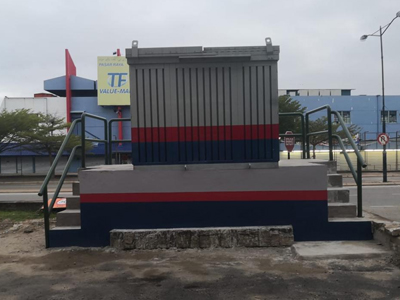
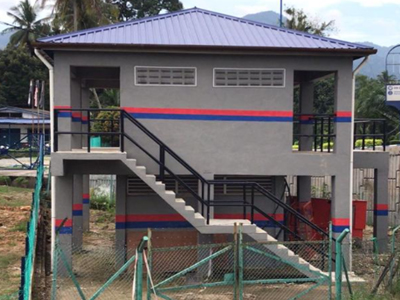
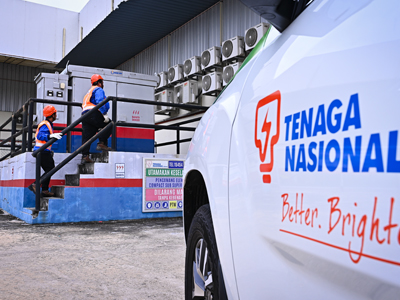
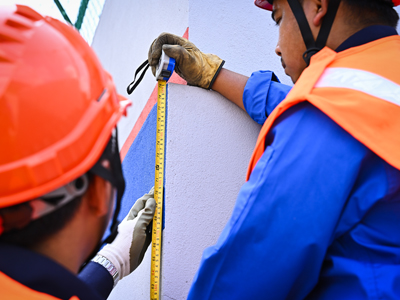
TNB implements a comprehensive flood-proofing programme to strengthen the resilience of electrical substations. Enhancements include elevating switchgear, raising substation base levels, installing flood walls or flood gates, reconfiguring supply routes to prevent outages in unaffected areas, and relocating facilities where necessary. In high-risk locations, pole-mounted substations are used as an alternative design to keep critical equipment safely above potential flood levels.
To guide these efforts, TNB prioritises substations based on factors such as historical flood depths, Average Recurrence Interval (ARI) analysis, and potential impact severity. The ARI provides an indication of how often a flood of a certain size is likely to occur, enabling targeted planning across different risk categories. New substations are sited outside flood-risk areas wherever possible, and where this cannot be avoided, they are designed with full flood-protection features from the outset. Cost–benefit assessments further guide decisions to upgrade, protect, or relocate installations to ensure long-term resilience.
Together, these measures safeguard TNB’s assets, minimise service disruption, and support faster restoration once floodwaters recede.
Operational Preparedness and Flood-Response
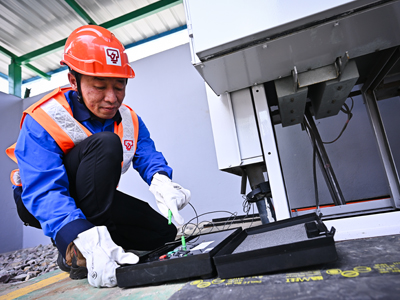
TNB complements its infrastructure protections with robust operational preparedness to ensure safe and effective response during flood conditions. Field teams monitor rainfall, rising water levels, and official alerts from relevant authorities, while assessing road accessibility to ensure safe movement to and from substations as conditions evolve.
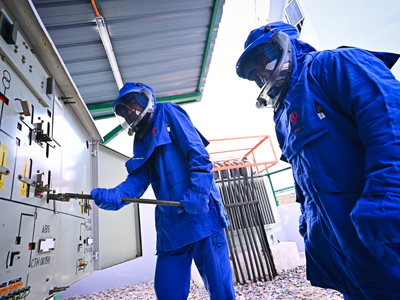
Logistics play a critical role in enabling timely response. Mobile generators, portable gensets, flood-lights, boats, and suitable high-ground vehicles are placed on standby for rapid deployment, supported by pre-arranged vendor assistance where necessary. Personal protective equipment, life jackets, waders, and medical kits are maintained across operating units to safeguard frontline crews, with hazard identification and risk control (HIRADC) procedures guiding safe work practices during flood events.
Preparedness is reinforced through continuous training, safety briefings, flood drills, and emergency simulations that strengthen both field and control-room capabilities. These activities are coordinated through TNB’s Crisis Command Structure (CCS), which defines clear roles across district, zone, and state levels, ensuring timely communication, effective decision-making, and efficient mobilisation of resources throughout flood response operations.
A Long-Term Resilience Strategy Aligned with Climate Adaptation
TNB places emphasis on continuous improvement to strengthen the reliability of its distribution system over time. This includes reviewing updated flood-risk data, enhancing planning methods, upgrading tools and technology, and working closely with relevant agencies to ensure preparedness measures remain effective as conditions evolve.
-
- Multi-year planning for flood-mitigation CAPEX.
-
- Enhancing hydrological modelling and real-time data integration.
-
- Continued collaboration with TNB Research (TNBR), Universiti Tenaga Nasional (UNITEN), JPS, the National Disaster Management Agency (NADMA), and other partners.
-
- Updating SOPs and guidelines to reflect changing climate patterns.
These efforts ensure that TNB’s flood-resilience strategy remains responsive to emerging climate risks and operational needs.
Towards a Climate-Ready System Reliability
Through structured mitigation planning, upgraded flood-resilience infrastructure, and strengthened operational preparedness, TNB is enhancing the reliability of its distribution network against rising flood risks. These measures reflect the company’s long-term commitment to climate adaptation, public safety, and the safeguarding of essential electricity supply for the nation.