Transformers are among the most important, and least noticed equipment in the electricity network. Installed quietly across substations, urban centres and rural communities, they regulate voltage and ensure electricity reaches homes, businesses and industries safely and reliably.
Inside every transformer is insulating oil. This oil serves two essential purposes: it prevents electrical components from coming into contact with one another, and it absorbs the heat generated during operation. Without it, transformers would overheat and fail.
For decades, the industry has relied on mineral oil for this role. Derived from fossil fuels, it is reliable, well-understood and widely available. It has earned its place as the conventional standard for transformer insulation worldwide.
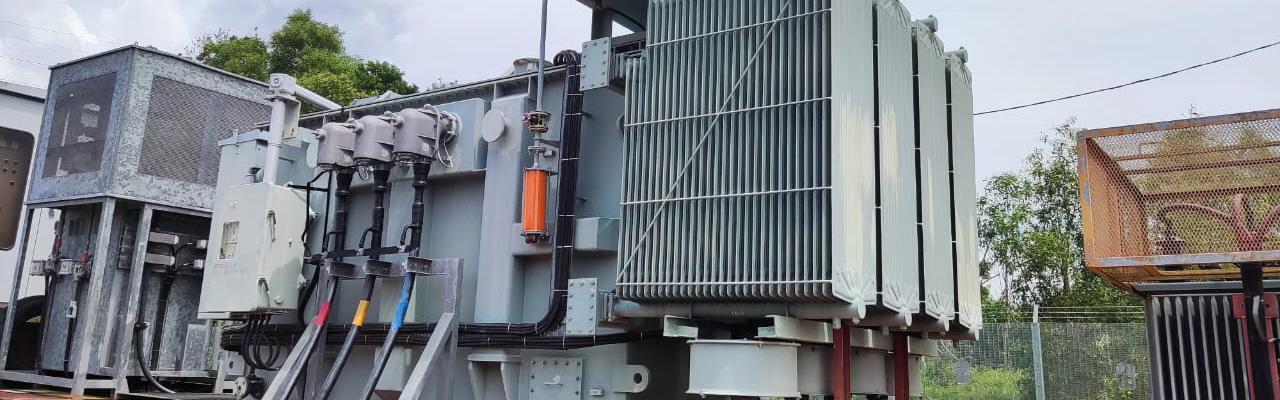
Why Mineral Oil is Being Reconsidered
As countries, including Malaysia, strengthen their commitments to reducing carbon emissions and protecting the environment, even the most established technologies are being reconsidered. Transformer oil, though rarely discussed, is one of them.
Mineral oil comes with limitations that are becoming harder to ignore. It is non-renewable, derived from a fossil fuel resource. In the event of a leak, it poses risks to soil and water and requires careful containment.
A Greener Alternative
Biodegradable transformer oils made from vegetable-based sources rather than fossil fuels offer a different profile. They break down naturally in the environment, significantly reducing the risk of long-term contamination if a leak occurs. They also have much higher flash points, making them inherently safer, particularly in urban settings.
These oils generally fall into three types: natural esters, derived directly from vegetable oils; synthetic esters, which are chemically engineered for broader operating conditions; and blended esters, which combine characteristics of both. Each has its advantages, and suitability depends on the specific transformer design and operating environment.
| Type | What It Is | Why It Matters | Oil Picture |
|---|---|---|---|
| Natural Ester | Oil extracted from plants such as vegetables or seeds | Breaks down naturally in the environment; less likely to catch fire; best used in fully sealed transformers | 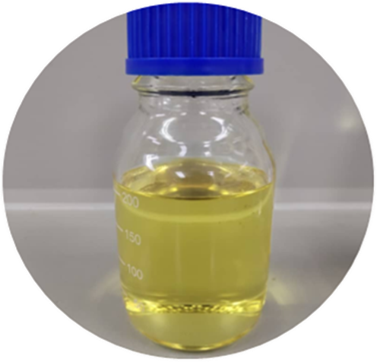 |
| Synthetic Ester | Oil produced through a chemical process | Performs reliably across a wider range of temperatures and conditions | 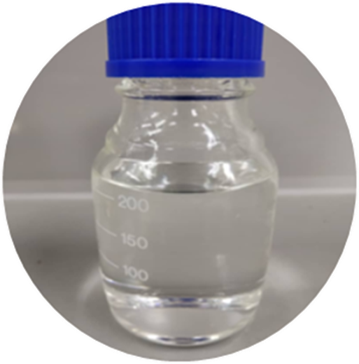 |
| Blended Ester | A mixture of natural and synthetic ester oils | Offers a middle ground combining environmental benefits with broader technical suitability | 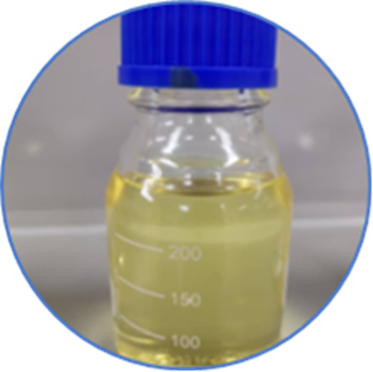 |
The Feasibility Study
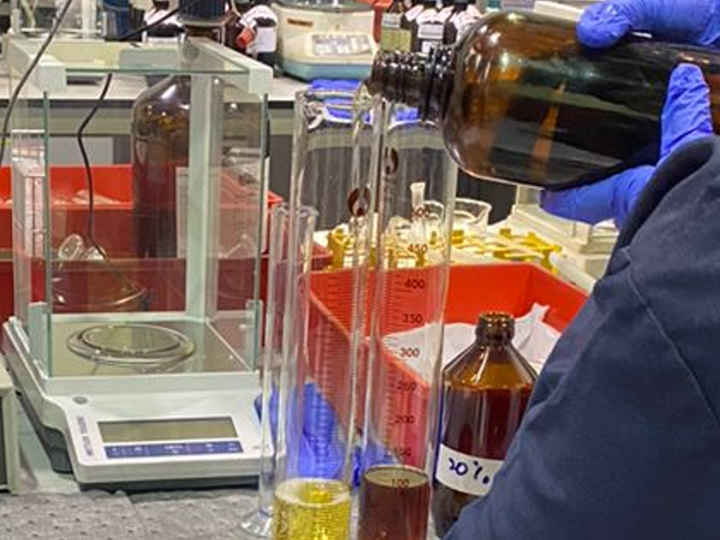
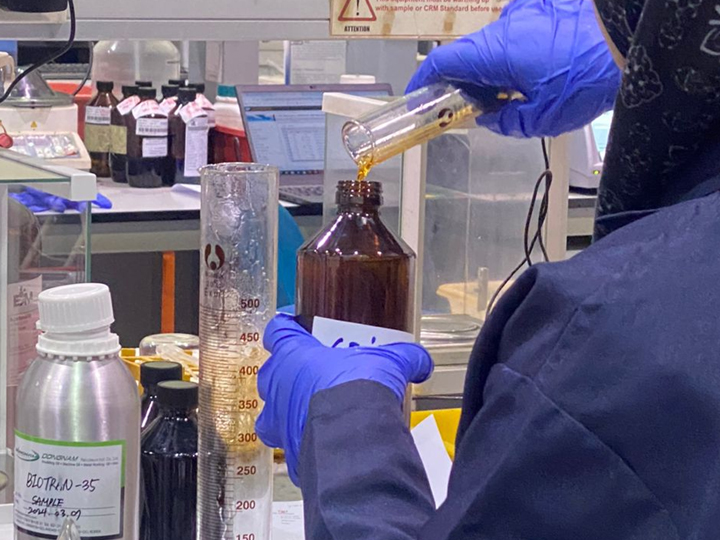
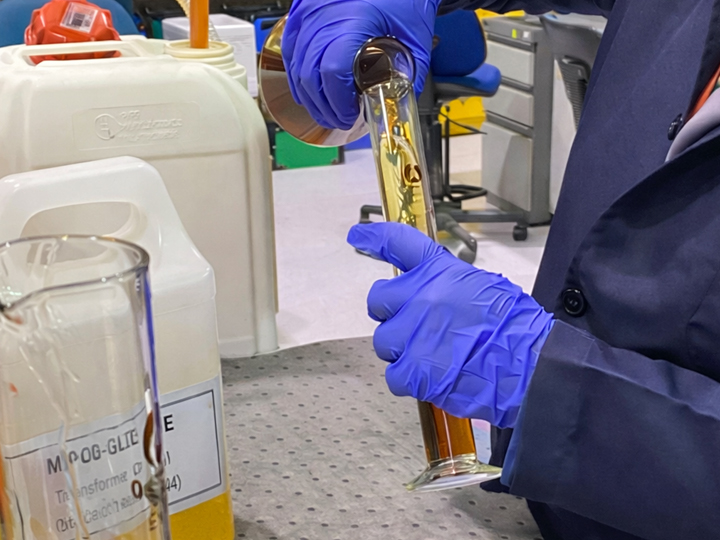
In this context, Tenaga Nasional Berhad (TNB), through the Distribution Network Division, has initiated a research and development (R&D) study to evaluate the technical feasibility and potential application of biodegradable, ester-based transformer oil as an alternative to conventional mineral oil. This initiative forms part of the broader Smart Eco-Design High Energy Efficient Distribution Transformer programme, currently under research and development in collaboration with TNB Research.
Rather than an immediate system-wide replacement strategy, this study represents a structured evaluation of technical performance, lifecycle impact, safety enhancement and total cost of ownership before any large-scale deployment decisions are made.
A Step Within a Broader Strategy
This initiative also forms part of TNB’s broader Transformer Technology Roadmap, which charts the progression toward low-loss transformer designs, digital condition monitoring, enhanced insulation materials and smart eco-design configurations. The exploration of biodegradable oil therefore complements, rather than replaces, ongoing grid modernisation and resilience efforts.
The feasibility study marks a deliberate and measured step in this direction, one backed by thorough testing and analysis, guided by international best practice, and aligned with Malaysia's broader sustainability ambitions. The work is still ongoing, but the intent is clear: to ensure that even the unseen components of the grid contribute to a cleaner and safer energy future.
As a continuation, the ESG story titled " Exploring Biodegradable Transformer Oil: A Greener Network from Within" will be featured in the next publication.