Malaysia’s transition towards low-carbon mobility is gaining momentum as electric vehicles (EVs) become an increasingly viable option for daily travel. As transportation remains one of the country’s highest-emitting sectors, electrifying mobility offers a practical pathway to reduce emissions and improve air quality.
However, the success of EV adoption depends not only on vehicle availability, but also on a reliable charging ecosystem and a power grid ready to support growing demand. As the nation’s electricity utility, Tenaga Nasional Berhad (TNB) plays a critical enabling role in laying this foundation - ensuring that EV charging infrastructure can be deployed at scale while maintaining system reliability.
Guided by national policies and long-term decarbonisation goals, TNB continues to strengthen grid readiness, expand access to charging infrastructure and work closely with customers, industry players and policymakers. Through these efforts, TNB is helping to build a resilient electric mobility ecosystem that supports Malaysia’s transition towards a cleaner, more sustainable transport future.
Powering EV Charging Infrastructure
To support the rapid deployment of Electric Vehicle Charging Stations (EVCS), TNB has enhanced its electricity supply connection process by introducing a dedicated EVCS category via the myTNB portal, complemented by improvements across internal systems and workflows.
A key enabler is the EV Green Lane initiative - a fast-track supply connection pathway designed specifically for EV charging infrastructure. Through this initiative, processing timelines for EVCS supply connections have been significantly shortened:
-
- Supply applications that do not require new substations are expedited to 21 days.
-
- Supply applications that require new substations are accelerated to 55 days.
To further reduce upfront barriers for EVCS deployment, TNB has also introduced a differentiated security deposit structure for EVCS premises. By applying a significantly lower load factor compared to standard commercial premises, the security deposit required for EVCS is substantially reduced, helping improve project viability and ease of entry for Charge Point Operators (CPOs) and developers.
In addition, TNB has strengthened infrastructure readiness by taking on a more active role in Compact Substation Unit (CSU) implementation. TNB now undertakes the construction of the CSU base and absorbs the associated base installation cost, further reducing upfront requirements and supporting faster project implementation.
These improvements enable CPOs and developers to deploy chargers more quickly, reducing delays that could otherwise hinder EV adoption.
Supporting a Growing EV Network
As of 31 December 2025, TNB has been consulted on electricity supply for 819 EVCS locations nationwide, representing a total maximum demand of approximately 188 MW. Of these, 204 EVCS have been successfully commissioned, contributing around 32 MW of connected load to the grid.
These projects span multiple stages - from pre-consultation and supply applications to construction and commissioning of EVCS - across highways, commercial centres, fleet depots, Government premises and TNB facilities.
This nationwide footprint reflects TNB’s role in enabling both public and private charging infrastructure, supporting interstate travel while addressing ‘range anxiety’ and charger reliability concerns among EV users.
Installing and Operating EV Chargers
In addition to providing electricity supply, TNB is also directly involved in deploying EV chargers under the TNB Electron brand. This dual role allows TNB to strengthen confidence in the charging ecosystem while gaining operational insights into charger performance and customer usage patterns.
By the end of 2025, TNB has installed 256 EV charge points nationwide. A further 96 charge points are currently in progress, including 38 under construction. Looking ahead, TNB has set a target of deploying 250 charge points in 2026, with nationwide expansion planned, including Sabah.
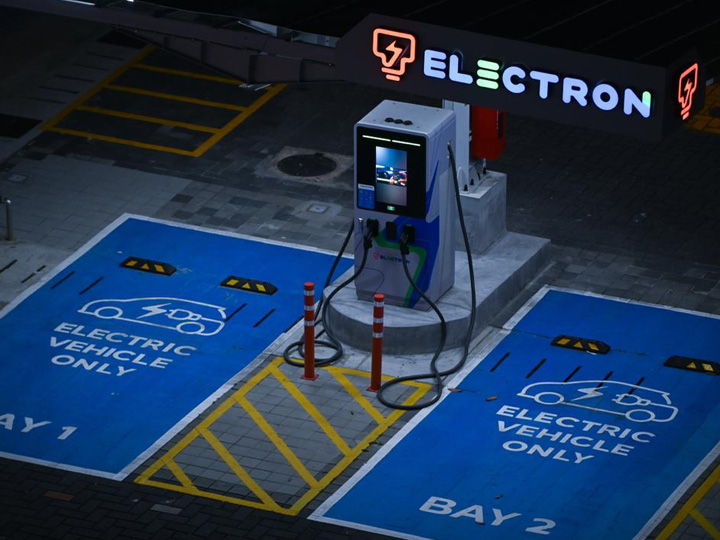
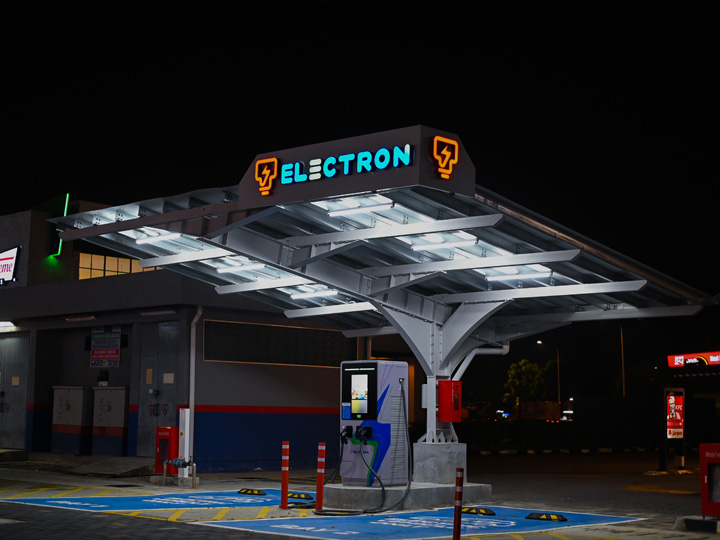
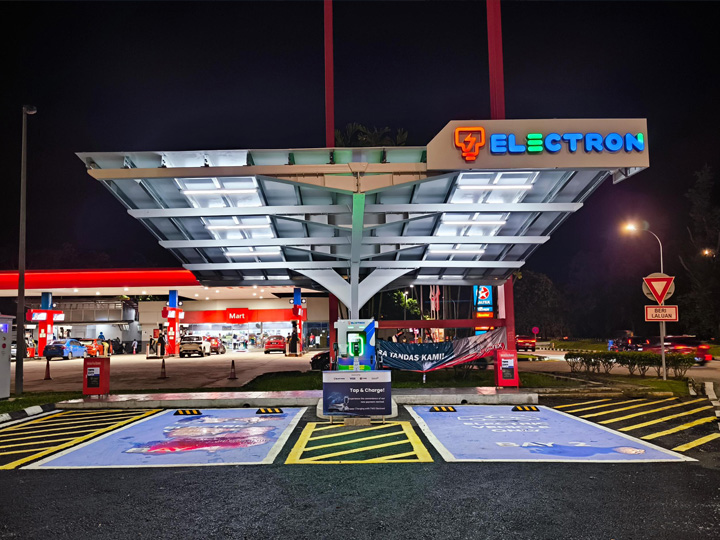
Installations focus on three key areas:
Highways and major trunk roads to support long-distance and interstate travel.
Commercial and public locations to enable everyday charging access.
TNB premises and Government facilities, strengthening internal electrification and operational readiness.
Electrifying TNB's Own Fleet
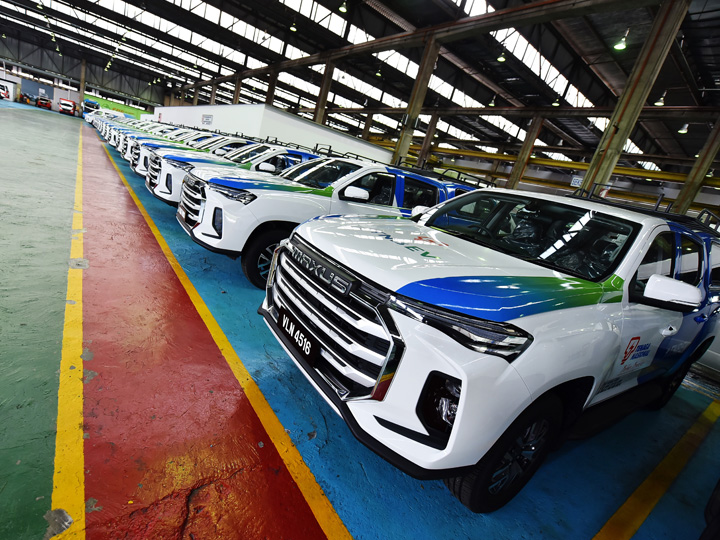
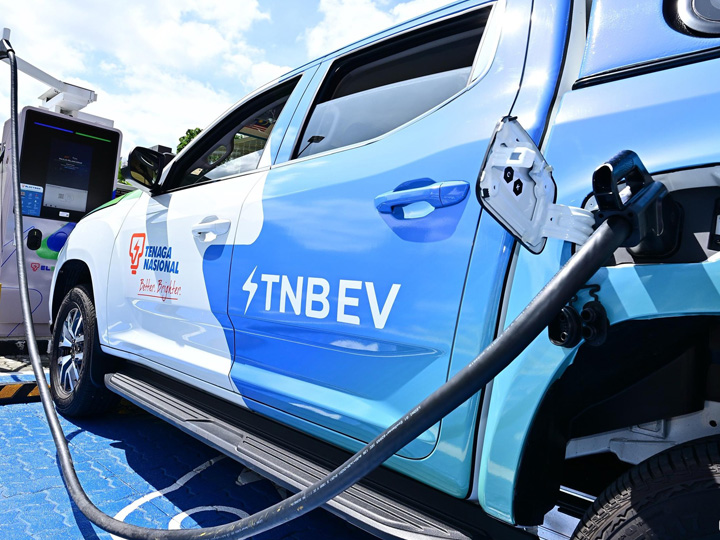
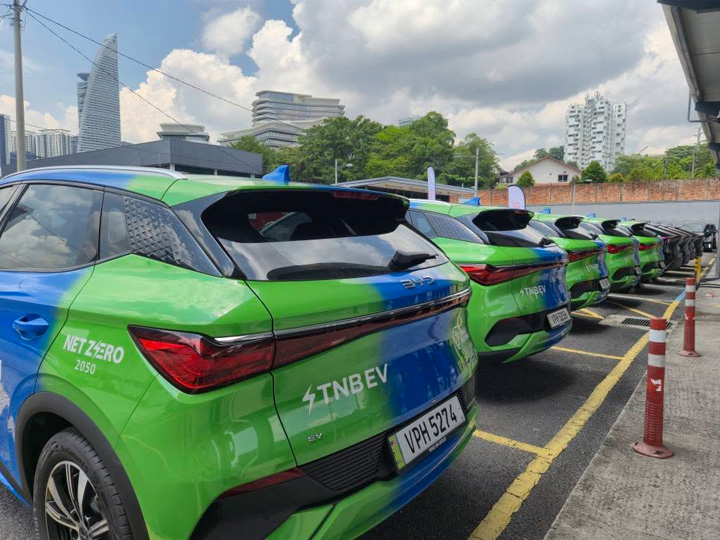
As part of its internal decarbonisation journey, TNB is progressively electrifying its vehicle fleet, with a target for 30% of the fleet to transition to electric vehicles by 2030.
To support this transition, EV chargers are being installed across technical sites, yards and retail offices, with selected locations opened to public use to improve utilisation. This approach also helps normalise EV usage and demonstrates operational feasibility at scale.
Strengthening Safety and Industry Alignment
EV ecosystem development requires more than infrastructure alone. TNB actively collaborates with ministries, regulators and industry players to improve safety across the EV landscape.
Through industry engagement and platforms such as the Zero Emission Vehicle Association (ZEVA), TNB works alongside CPOs, EV manufacturers and Government agencies to:
-
- Harmonise local authority (PBT) approval requirements
-
- Align safety standards with Bomba Malaysia and the Energy Commission (Suruhanjaya Tenaga)
-
- Support evolving standards for EV charging equipment and metrology, ensuring public safety while enabling industry growth
Empowering Customers: Clear Guidance for Home EV Charging
To help customers transition safely to EV ownership, TNB has also issued a Customer Guide poster titled “Before You Install an EV Home Charger”, providing practical, easy-to-understand guidance for households considering home charging.
The guide outlines:
-
- The importance of engaging Energy Commission -registered electrical contractors
-
- Electrical safety requirements and charger standards
-
- When internal wiring upgrades or a TNB supply upgrade may be required
-
- Clear steps for engaging TNB via the myTNB portal
By simplifying technical considerations and setting clear expectations, the guide helps customers make informed decisions while prioritising safety and system reliability.
Powering the Road Ahead
Electric mobility is a key pillar of Malaysia’s low-carbon transition. By strengthening grid readiness, accelerating EVCS supply connections, expanding charging infrastructure, supporting customers and aligning industry stakeholders, TNB continues to play a central role in enabling this shift.
As EV adoption grows, TNB’s focus remains clear — to ensure that the electricity system evolves in step with mobility needs, delivering reliable, safe and accessible charging solutions that support communities, businesses and the nation’s long-term sustainability goals.
Please refer to the Customer Guide - Before You Install an EV Home Charger here.