As renewable energy projects expand, there is growing focus on how our assets can deliver value beyond clean energy generation.
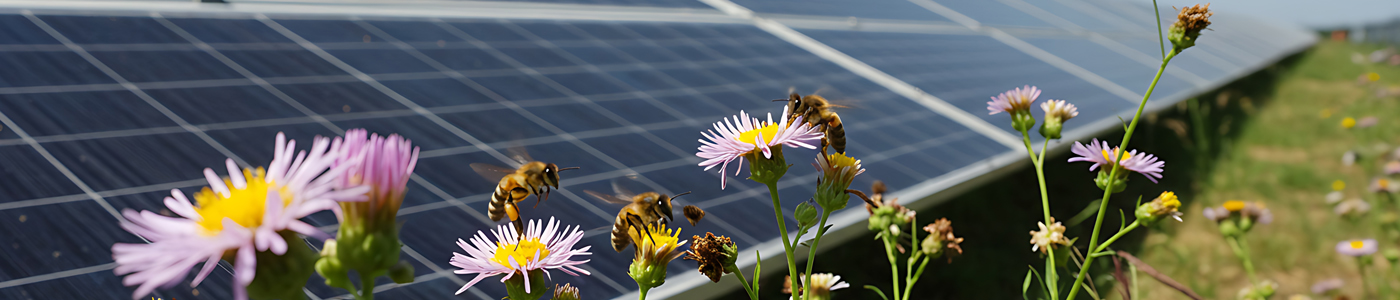
By adopting a nature-led approach through creating new habitats or supporting existing landscapes, biodiversity considerations can be integrated alongside long-term energy infrastructure.
Within Tenaga Nasional Berhad’s (TNB) international renewables portfolios, Spark Renewables Pty Ltd (Spark Renewables) and Vantage RE Ltd (Vantage RE) have taken practical steps to support pollinators across their solar assets.
Spark Renewables
In Australia, Spark Renewables focuses on ensuring solar developments continue to support productive land use and local livelihoods.
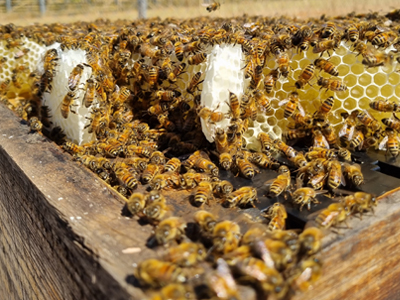
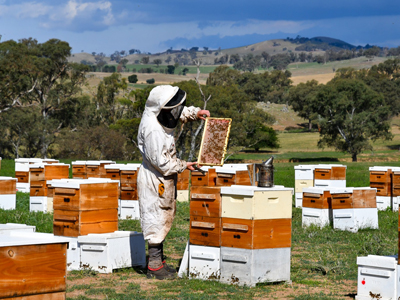
At the Bomen Solar Farm, Spark Renewables supports local Wagga Wagga beekeeper Queen & Honey through a beekeeping initiative that has been in place since the start of operations. Five (5) permanent beehives are stationed along the solar farm boundary year-round, with the site also hosting up to 90 temporary beehives during the blossoming season of the yellow box tree, a native Australian species known for its nectar-rich flowers.
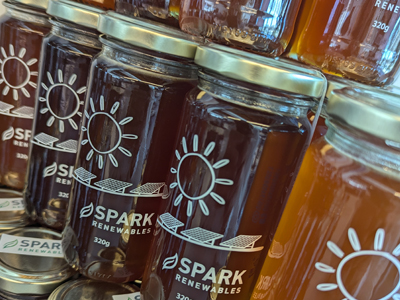
The presence of beehives supports pollinators within the surrounding landscape while enabling local honey production. In addition, the initiative contributes to agricultural activity in the area through bee pollination and directly supports a local beekeeping business, helping to strengthen regional livelihoods.
The approach forms part of Spark Renewables’ broader approach to enabling renewable energy assets to coexist with agricultural land uses and complementary activities, delivering shared benefits for the local communities.
Vantage RE
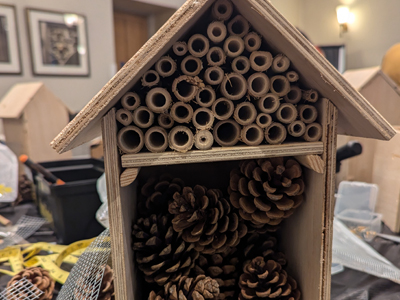
In the UK, the Vantage RE team has taken a hands-on approach to support pollinators through the development of bee hotels for UK-native solitary bees. The bees face many threats, not least habitat loss and lack of nesting sites.
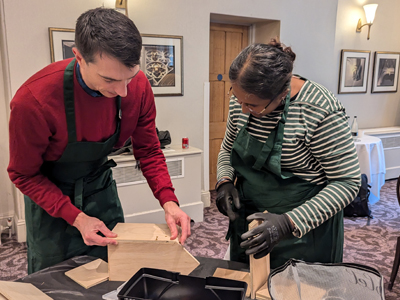
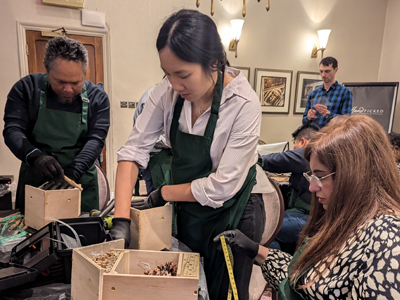
Guided by a bee specialist, the team assembled simple wooden structures designed to replicate natural nesting spaces such as hollow stems and wood cavities. These are intended to provide suitable nesting habitats for solitary bees, which play an important role in pollination within local ecosystems.
The bee hotels will be installed at Vantage RE’s two newest solar farms, Bunkers Hill and Eastfields, both of which achieved commercial operation in 2025. Installation is targeted for Spring 2026 to coincide with the emergence of solitary bees from winter hibernation, when they begin actively seeking nesting sites.
Through this collaborative initiative, team members developed a deeper understanding of the role solar projects can play in protecting pollinators. They learnt in practice how biodiversity enhancement can be effectively integrated into the design and management of renewable energy projects. This reflects Vantage’s broader approach to delivering projects sustainably, working in harmony with nature, and fostering a strong sense of purpose and connection among the team.
Biodiversity and ESG Context
Pollinators are widely recognised as essential to ecosystem functioning and food systems. By incorporating beehives, bee hotels and pollinator-friendly features into solar projects, Spark Renewables and Vantage RE are integrating biodiversity considerations as part of their ESG approach.
Across different geographies, these initiatives demonstrate how clean energy and thriving ecosystems can go hand in hand. They reflect a consistent approach to using renewable energy sites not only to decarbonise electricity supply, but also to support local environments, rural livelihoods and community engagement, while continuing to deliver reliable, long-term clean energy.