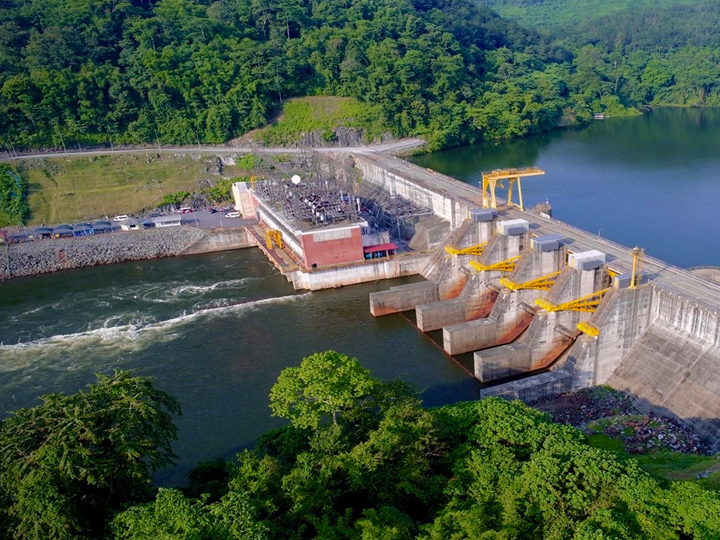
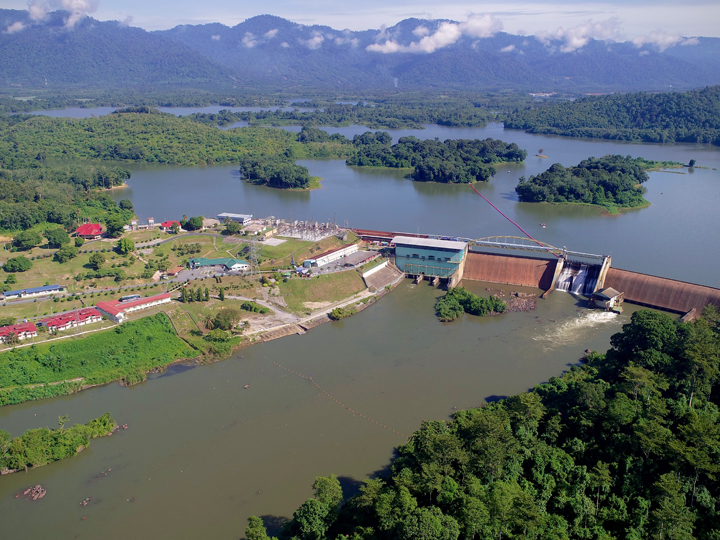
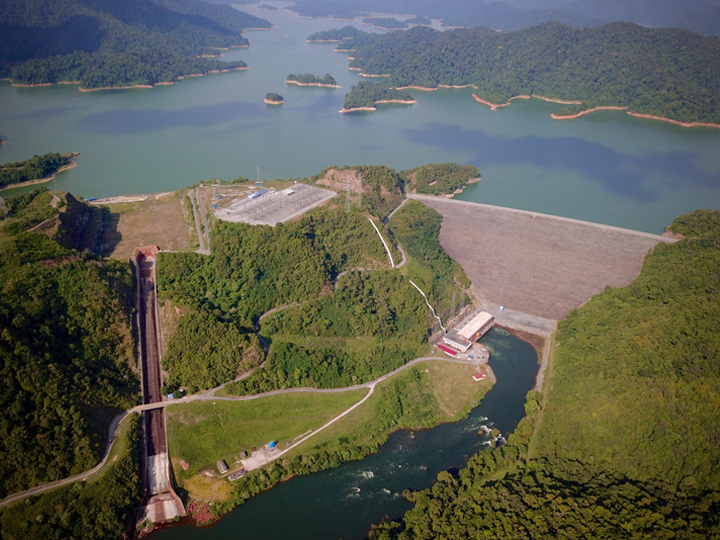
Sungai Perak Power Stations harness the natural flow of the Sungai Perak to generate renewable electricity. The system comprises seven hydroelectric power stations with a total installed capacity of 1,249.1 MW. Six stations, namely Temengor, Bersia, Kenering, Chenderoh, Upper Piah and Lower Piah, are located along the Sungai Perak cascade, contributing a combined installed capacity of 649.1 MW. The Pergau Hydroelectric Station in Kelantan provides the remaining capacity. Together, these stations form a key component of TNB’s hydropower portfolio.
Hydropower is recognised as a renewable and cost-efficient source of clean electricity that supports climate mitigation, grid stability and long-term energy security.
Responsible, Circular Water Use
At Sungai Perak Power Stations, water is managed using a circular approach that recognises the river as a shared resource:
-
- Cooling water systems at Temengor, Bersia and Kenering stations draw raw water directly from the penstock or river, circulate it through turbine, generator and oil-cooling systems, and return it to the tailrace - without tapping into municipal treated water supplies for cooling mechanism.
-
- The Temengor station is equipped with its own Water Treatment Plant (WTP), which treats raw river water through coagulation, sedimentation, filtration and storage before use for daily operational purposes within the station. This reduces dependence on externally treated water mains and demonstrates self-sufficiency in water management.
-
- Fire-fighting systems at Temengor similarly utilise river water via WTP connections for hose reels, hydrants and high-volume deluge systems that protect critical equipment such as transformers, turbines and generator bearings. This design ensures strong fire protection while avoiding the use of public water mains for industrial fire-fighting needs.
By relying primarily on the river itself for cooling, fire protection and internal consumption, the Sungai Perak hydro stations help preserve municipal treated water for communities, reduce pressure on external water infrastructure and align with sustainable water-use practices.
Flood Modulation and Community Safety
The Sungai Perak hydro stations are operated according to a structured Reservoir Water Management Plan, with clear operating periods for lowering water levels, storing water during the monsoon and making controlled releases during the dry season. These operations help create flood-storage space upstream, regulate downstream flows and support water availability during drier months.
Real-time water-level monitoring across the Sungai Perak basin, together with daily notifications to the Department of Irrigation and Drainage (JPS) and the District Disaster Management Committee (JPBD), strengthens coordination in flood risk management and disaster preparedness. Early Warning Systems (EWS), joint exercises involving relevant agencies and local communities, as well as flood-inundation maps including evacuation routes for communities downstream of the Temengor Dam provide timely alerts to both authorities and residents during periods of heavy rainfall.
While there have been flood incidents affecting some downstream villages, these events were driven primarily by exceptionally high local rainfall directed toward the settlements and were not influenced by release operations at the hydro stations. When operated in accordance with the management plan, Sungai Perak's reservoirs help moderate peak flows, complementing broader basin-wide flood-management efforts.
Protecting Aquatic Ecosystems and Biodiversity
The cascade arrangement regulates river flow, reducing extreme fluctuations that could otherwise disrupt aquatic habitats. Reservoirs such as Temengor and Kenering provide stable freshwater environments that support native species, including Kelah, Tengas and Sebarau.
Managing water levels, temperature profiles, and water quality helps maintain oxygen levels and support long-term fish survival. These conditions have enabled conservation and education initiatives such as the Akekchep Kelah Sanctuary at Sungai Tiang and the “Mini Amazon of Malaysia” at Kampung Beng, where visitors can learn about freshwater ecosystems and sustainable conservation practices.
Surrounding reservoir areas remain largely natural, with extensive forest cover and riverine landscapes that provide habitat connectivity for wildlife. This contributes to ecological resilience and supports ongoing biodiversity-conservation efforts across the Sungai Perak basin.
Supporting Agriculture and Food Security
Water flows supported by the Sungai Perak hydropower cascade sustain downstream agriculture across the basin—from paddy fields in Seberang Perak to vegetable farms, rubber holdings, and oil-palm plantations around Gerik and surrounding areas.
Improved irrigation water reliability has enabled farmers in some areas to increase cropping intensity. In areas where paddy cultivation was previously limited to a single harvest per year, farmers can now plant and harvest twice annually, strengthening household incomes and contributing to local food security.
Aquaculture, Eco-Tourism and Nature-Based Income
The calm, regulated waters of Temengor, Bersia and the surrounding reservoirs provide favourable conditions for cage-fish aquaculture, supporting species such as Tilapia, Kelah and giant freshwater prawns. Community-based initiatives, from cage farming to the production of fermented fish products such as ikan pekasam, have created new income streams for local households.
Beyond aquaculture, the scenic catchment area, particularly around Temengor and Royal Belum, has developed into a vibrant eco-tourism destination. Houseboats, small resorts, guided fishing trips, and nature excursions attract visitors seeking rainforest, reservoir and wildlife experiences.
These activities stimulate the local economy by creating jobs in hospitality, guiding, boat operations, transport and food services. They also offer opportunities for Orang Asli and surrounding communities to market handicrafts, cultural products and forest-based goods, while fostering greater appreciation for conservation among visitors.
Across the wider hydropower cluster—including the Sungai Perak, Sungai Piah and Pergau schemes—operations support hundreds of direct jobs in technical operations, maintenance, engineering, health and safety, business support and environmental management. Indirectly, the hydropower system strengthens employment in logistics, local contracting and supporting services.
Bringing It All Together
Across its four cascaded stations – Temengor, Bersia, Kenering and Chenderoh stations, the Sungai Perak hydro scheme demonstrates how a single river system can deliver integrated ESG values:

Environmental
Renewable electricity, responsible in-plant water use, support for aquatic ecosystems and biodiversity, and flood-modulation capacity.

Social
Clean water supply, strengthened agriculture, aquaculture and eco-tourism, community jobs and skills, and enhanced safety through early warning systems.

Governance
Structured reservoir-management plans, cross-agency coordination and transparent engagement with downstream stakeholders.
The Sungai Perak hydro scheme shows that hydropower can be more than just electricity generation. By supporting local communities, safeguarding natural areas and strengthening water security, the system continues to play a meaningful role in advancing sustainable development across the region.