Each year, millions of migratory birds undertake one of the most remarkable journeys on Earth, travelling thousands of kilometres from the Arctic regions of Russia and Alaska, through East and Southeast Asia, to Australia and New Zealand. This vast migration occurs along the East Asian–Australasian Flyway (EAAF), where only a limited number of safe and suitable stopover and resting sites remain. Recognised as one of nine (9) major global migratory flyways, the EAAF supports the seasonal movement of migratory birds across continents and plays a critical role in their survival.
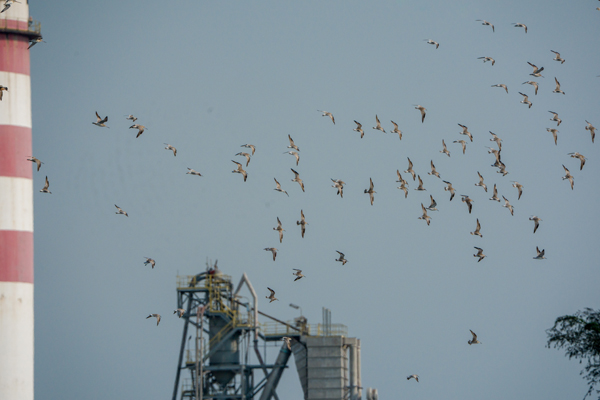
Situated along the North–Central Selangor Coast (NCSC), Stesen Janakuasa Sultan Salahuddin Abdul Aziz (SJSSAA), Kapar, lies within one of the Important Bird Areas (IBAs) recognised by the International Union for Conservation of Nature (IUCN). Beyond its role in powering the nation, the site has, over decades, quietly evolved into an important high-tide roosting and wintering ground for migratory waterbirds.
Through Echoes of the Sky, Tenaga Nasional Berhad (TNB), via SJSSAA reaffirms its commitment to supporting biodiversity conservation by enabling scientific research, habitat stewardship, and collaborative conservation initiatives that safeguard migratory birds and their habitats.

Stesen Janakuasa Sultan Salahuddin Abdul Aziz (SJSSAA), Kapar
A Global Flyway, A Shared Responsibility
Malaysia sits at the heart of the East Asian–Australasian Flyway, which spans 22 countries and connects migration grounds from the Northern Hemisphere to the Southern Hemisphere. Between August and April each year, migratory waterbirds rely on coastal mudflats, mangroves, and wetlands as vital stopover sites to rest and replenish energy reserves.
These migratory birds are subject to conservation and management efforts coordinated by relevant authorities and conservation organisations, reflecting the importance of national and regional frameworks in safeguarding migratory species and their habitats.
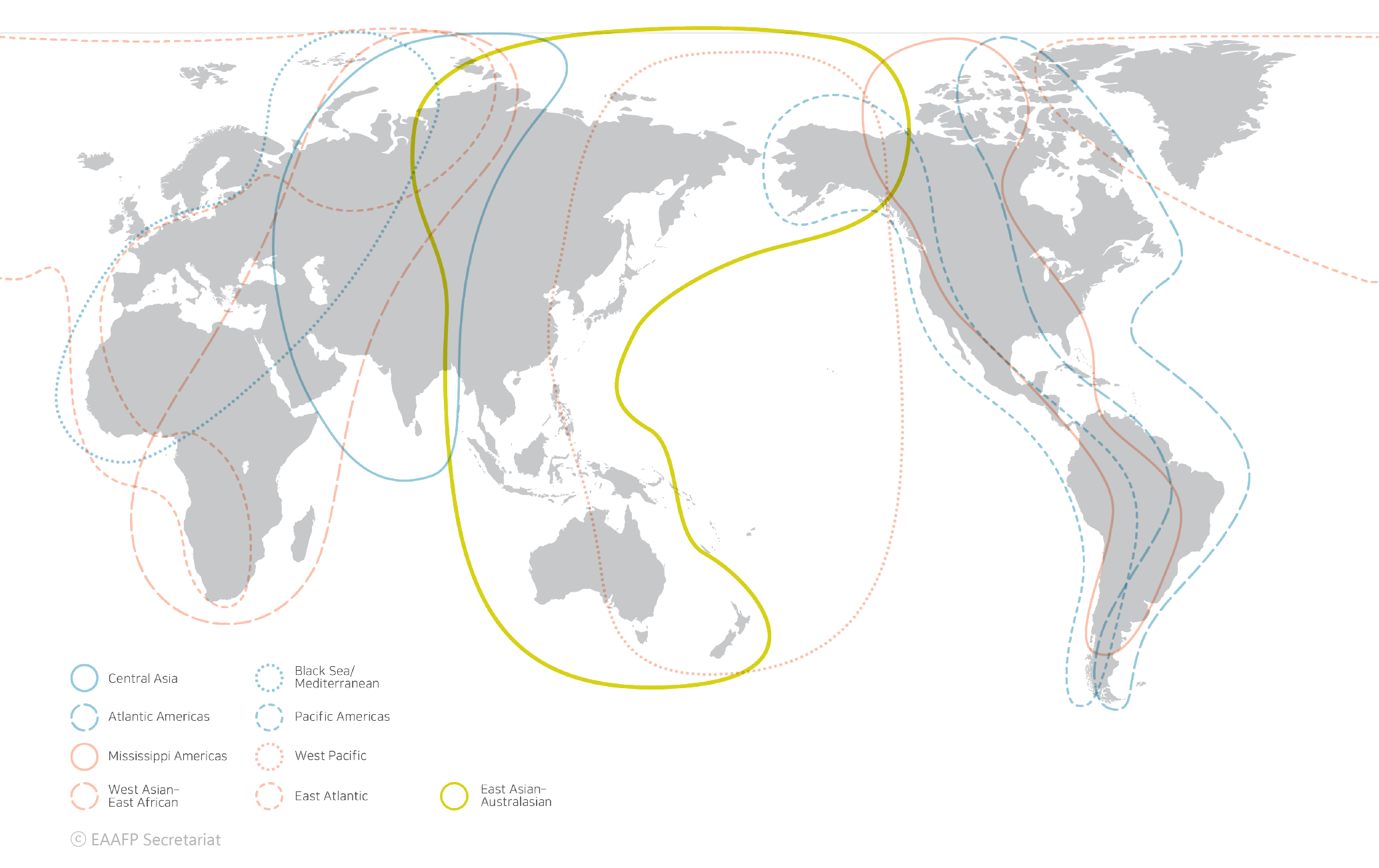
The Flyways Around The World
Source: East Asian-Australasian Flyway Partnership (EAAFP) Website
From Industrial Landscape to Ecological Haven
The ash pond areas within SJSSAA were first identified as an important roosting site for waterbirds as early as 1988. Subsequent scientific studies, including surveys commissioned by TNB and conducted by Wetlands International (formerly the Asian Wetland Bureau) confirmed the site’s ecological value.
Key ecological attributes of the SJSSAA include:
-
- Functioning as a high-tide roosting area when coastal mudflats are submerged,
-
- Supporting bird movement between Klang Islands and Kapar, and
-
- Providing refuge during critical stages of migration
Long-term monitoring under the Asian Waterbird Census (AWC) recorded a peak count of 36,692 waterbirds at Kapar, the highest ever documented in Malaysia, with 40 waterbird species identified, including three Globally Endangered species, one Vulnerable species, and seven Near Threatened species. Notably, the highest single counts have remained consistently between 20,000 and 30,000 birds over the years, underscoring Kapar’s sustained importance as one of the most significant migratory waterbird roosting sites in the country.
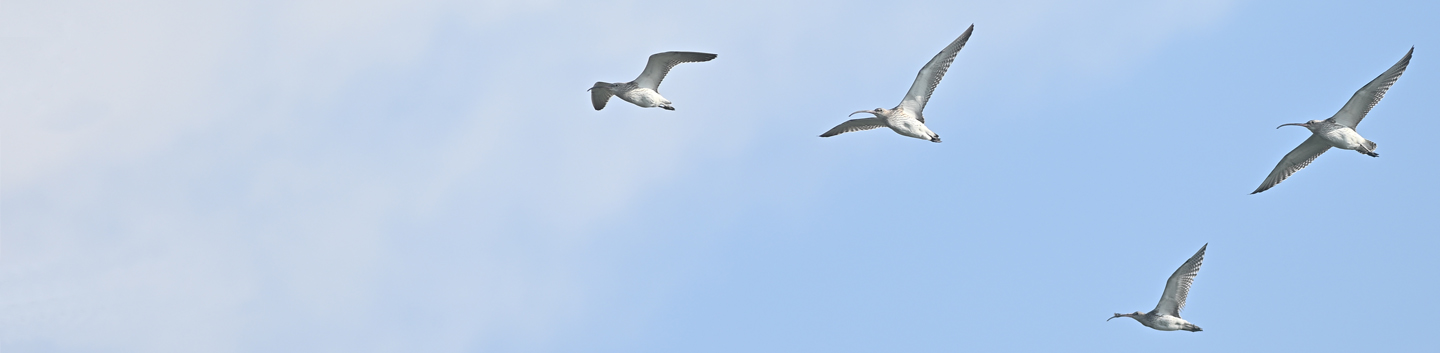
Among the migratory species recorded along the North–Central Selangor Coast, several are also observed utilising the Kapar area as part of their seasonal movements. These include the Curlew Sandpiper, Far Eastern Curlew, Nordmann’s Greenshank, Little Tern, White-winged Tern, Eurasian Curlew, Ruddy Turnstone, Great Knot, and Whimbrel, reflecting the site’s role within a wider network of coastal habitats that support migratory waterbirds along the flyway.
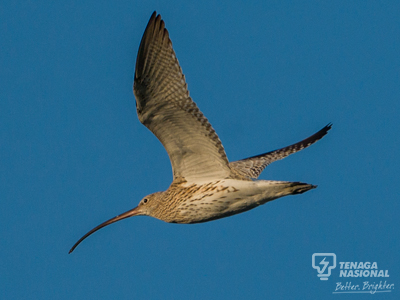
Eurasian Curlew
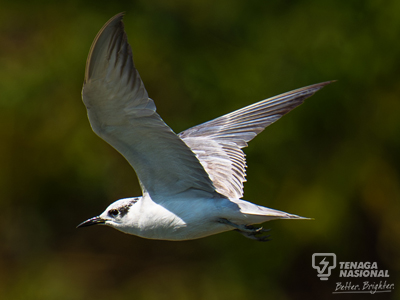
Whiskered Tern
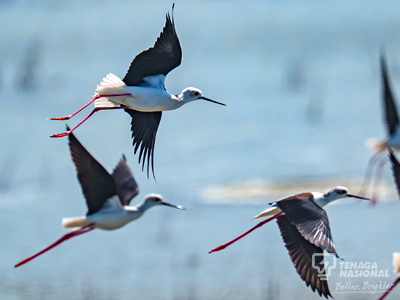
Black-Winged Stilt
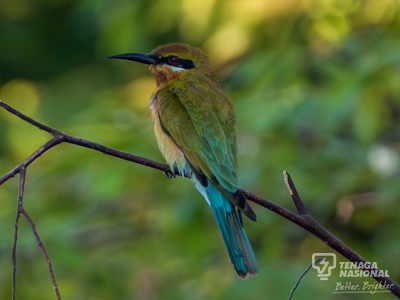
Blue-Tailed Bee Eater
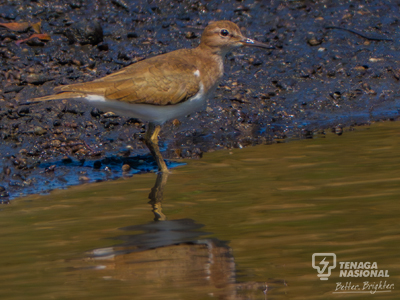
Common Sandpiper
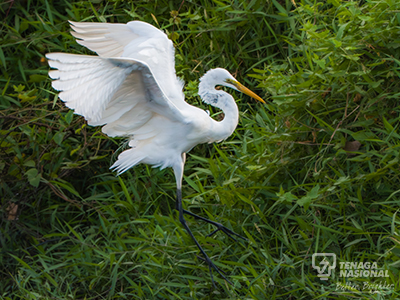
Great Egret
Collaborative Conservation in Action
TNB’s approach at SJSSAA is grounded in science-based conservation, implemented through long-standing collaborations with:
-
- Department of Wildlife and National Parks (PERHILITAN) and the Department of Veterinary Services Malaysia,
-
- Malaysian Nature Society (MNS),
-
- Universities and research institutions, including TNB Research, and
-
- International conservation networks, including BirdLife International
Key conservation initiatives at SJSSAA include long-term population monitoring through the annual Asian Waterbird Census, supported by population trend analysis and habitat-use studies that track how migratory waterbirds utilise the site and surrounding coastal areas.
Bird banding and colour-flagging programmes, initiated in the 1980s, continue to be carried out at SJSSAA to better understand migration routes, survival rates, and breeding origins of individual birds. In parallel, avian disease surveillance is conducted in collaboration with veterinary authorities, with all samples collected at SJSSAA between 2023 and 2025 testing negative, providing assurance for both ecosystem integrity and public health
Echoes That Travel Across Continents
SJSSAA’s importance extends beyond numbers. It serves as a refuge for globally threatened species, including:
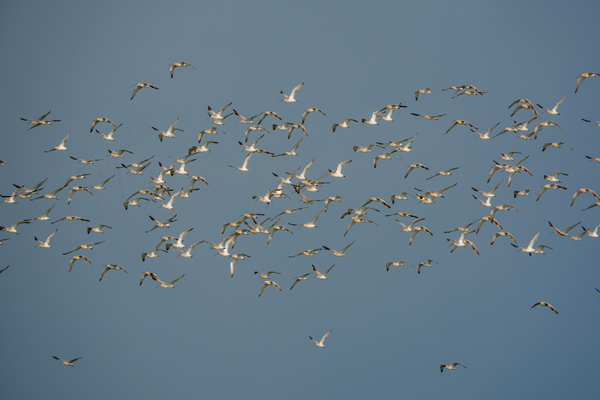
Far Eastern Curlew
Great Knot
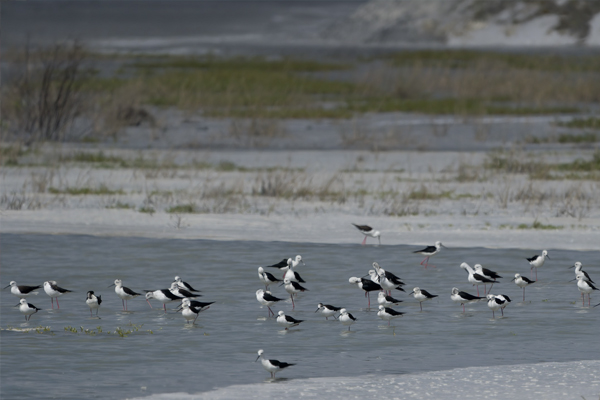
Nordmann’s Greenshank
- Fewer than 2,000 individuals remain globally.
- More than 1% of the flyway population winters at Kapar
Case studies show that species experiencing population declines of over 80% in parts of their range, such as the Curlew Sandpiper, have demonstrated population increases of up to 158% at Kapar, highlighting the site’s conservation value.
Community Engagement and Education
Previously known publicly through community events such as Festival of Wings or Pesta Sayap, the initiative has evolved into Echoes of the Sky, reflecting a broader, more enduring commitment beyond a single event.
Under this banner, SJSSAA supports conservation awareness programmes for local communities and the wider public, alongside community-based monitoring and participatory conservation activities, complemented by educational exhibitions and information boards, as well as knowledge-sharing sessions involving NGOs, academics and local stakeholders. Collectively, these efforts help cultivate environmental stewardship and ensure that conservation knowledge is sustained and passed on to future generations living alongside these ecosystems.
TNB’s biodiversity efforts at SJSSAA are aligned with Malaysia’s National Policy on Biological Diversity 2022–2030, regional conservation frameworks under the East Asian–Australasian Flyway Partnership (EAAFP), and the Group’s broader ESG commitments to protect natural capital while enabling responsible energy generation. As highlighted through long-standing collaboration with the Malaysian Nature Society, these initiatives demonstrate how conservation considerations can be integrated into operational landscapes, illustrating that critical infrastructure and biodiversity protection can coexist in ways that strengthen long-term ecological resilience.
Letting Nature's Journey Continue
The story of Echoes of the Sky is not about transforming a power station into a nature reserve, but about recognising responsibility where critical habitats and national infrastructure intersect.
At SJSSAA, decades of scientific collaboration, careful land stewardship, and community engagement have helped ensure that migratory birds continue to find safe refuge along their long journey across continents.
As Malaysia advances its energy transition, TNB remains committed to ensuring that progress is balanced with care for the natural world, allowing the echoes of wings overhead to remind us that sustainability is as much about protecting life as it is about powering the future.