For many young Malaysians, hockey begins with a school field, a teacher who notices potential, or a coach who encourages them to keep showing up after class. What starts as a sport can gradually become a source of structure, discipline and confidence, especially for students who may not always have access to organised sports development opportunities.
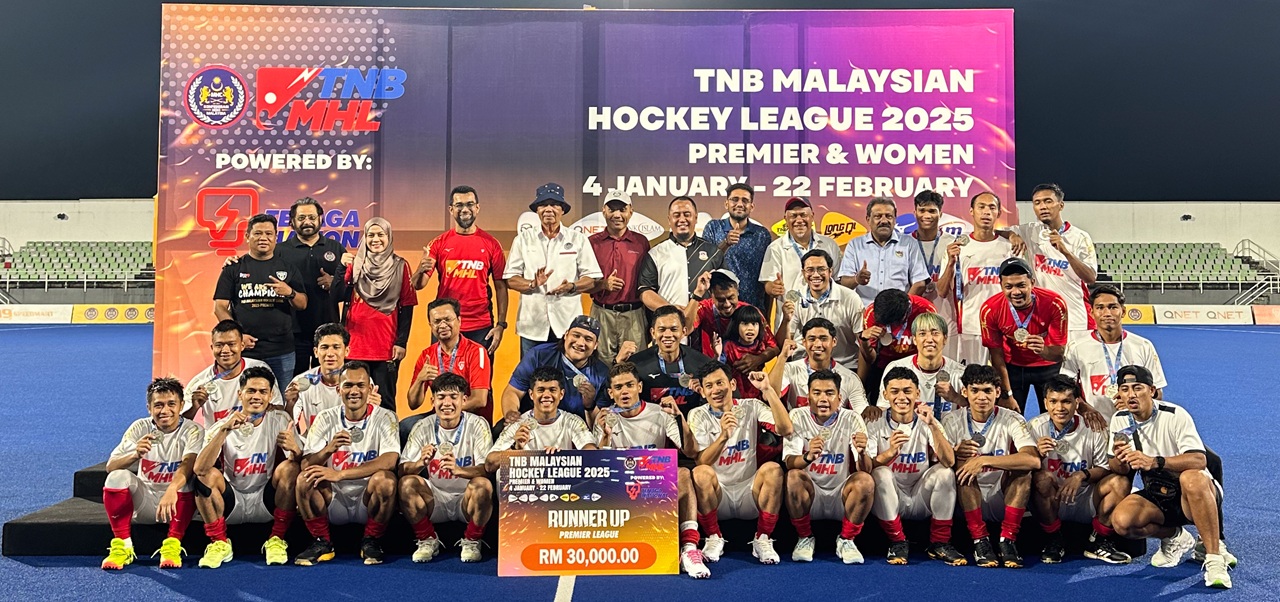
Tenaga Nasional Berhad’s (TNB) involvement in hockey reflects this wider social role. TNB has been associated with the sport since the 1970s, making it one of the longest-standing corporate supporters of hockey in the country. Over the decades, TNB’s contribution has moved beyond competition sponsorship to helping build youth pathways through school-based programmes, coaching support, grassroots participation and community engagement.
This long-term commitment is reflected in the company’s sustained financial investment. Since the partnership between TNB and the Malaysian Hockey Confederation (MHC) began in 2004, more than RM60 million has been channelled into hockey development, covering domestic leagues, major tournaments and youth player programmes. In May 2026, TNB further reinforced this commitment by signing a new five-year sponsorship agreement worth RM25 million (RM5 million annually) for 2026 to 2030, an increase from the RM4 million per year provided under the previous 2021–2025 cycle.
At the heart of this effort is the TNB Thunderbolts programme, which has become one of the key platforms for young hockey players to develop their skills while continuing their education. The programme is not only about training athletes, but also about giving students a more structured environment to grow, compete and build confidence.
More Than a Sports Programme
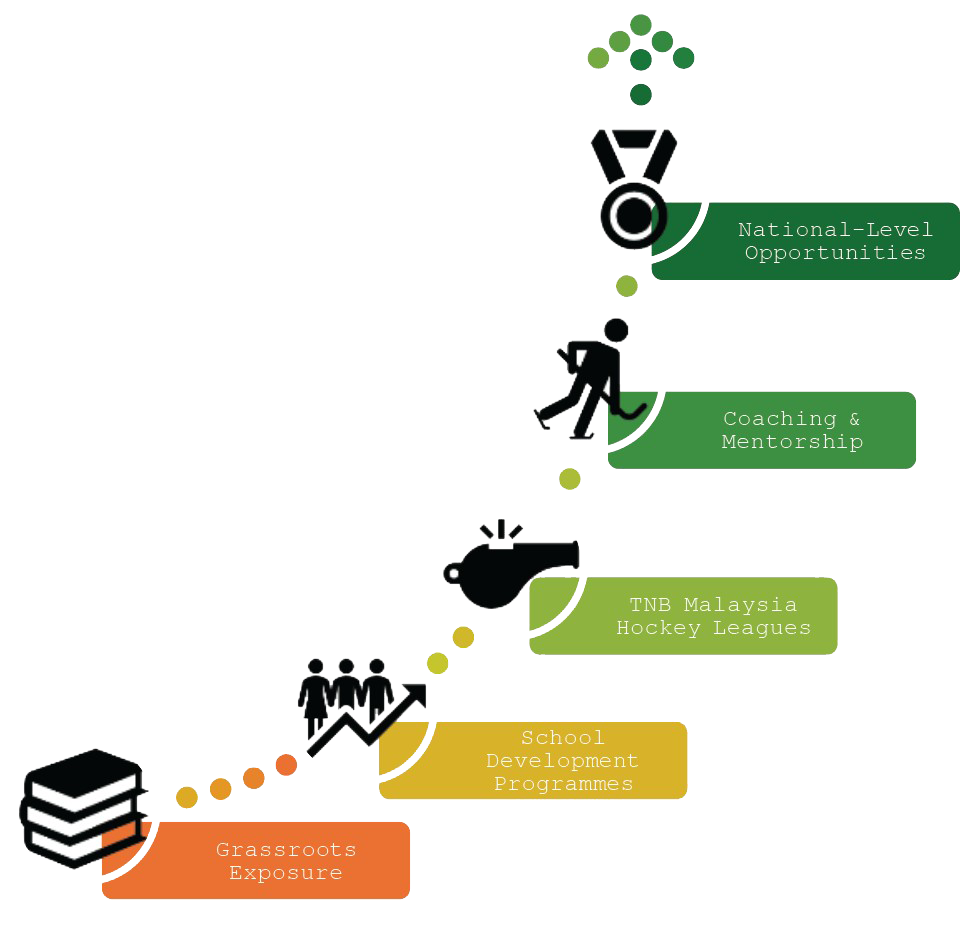
For students from smaller towns, rural areas or lower-income families, access to proper equipment, structured coaching and competitive exposure can make a meaningful difference. Some young players may begin with limited exposure to formal hockey facilities, but through school partnerships and development programmes, they are gradually introduced to more organised training and competition pathways.
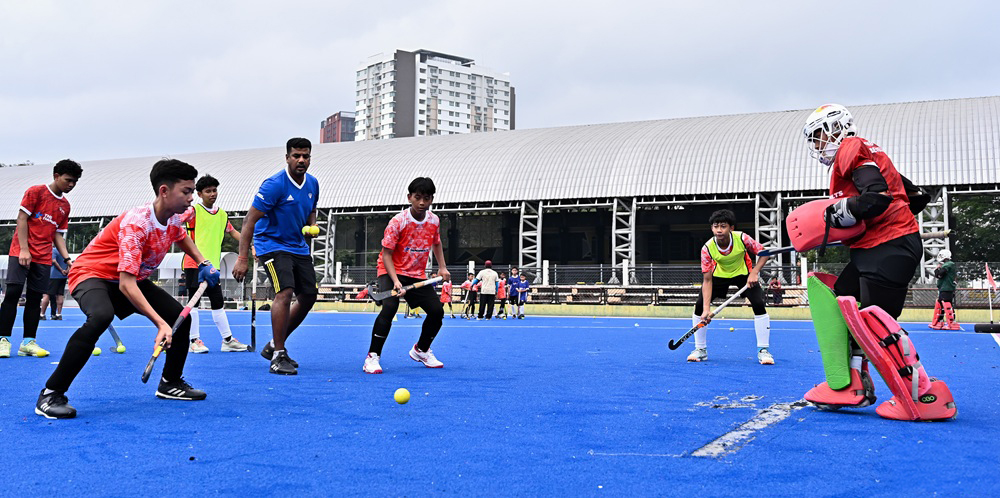
Started in 2009 as part of TNB’s corporate social responsibility efforts, the TNB Thunderbolts Schools programme supports the development of young players under the age of 19, including students from B40 families and rural communities. Each year, the programme reaches more than 1,100 youths, with around 120 players actively undertaking development at any given time. Beyond training, the players are supported with attention to nutrition, academic monitoring, discipline and personal development.
This is where the social value of the programme becomes clearer. The aim is not only to identify the best players, but to create a support system that helps young people stay engaged, disciplined and motivated while balancing school and sport.
Balancing Education and Sport
For school-going athletes, development cannot be separated from education. Training schedules, travel and competition commitments can be demanding, and students need guidance to manage both responsibilities.
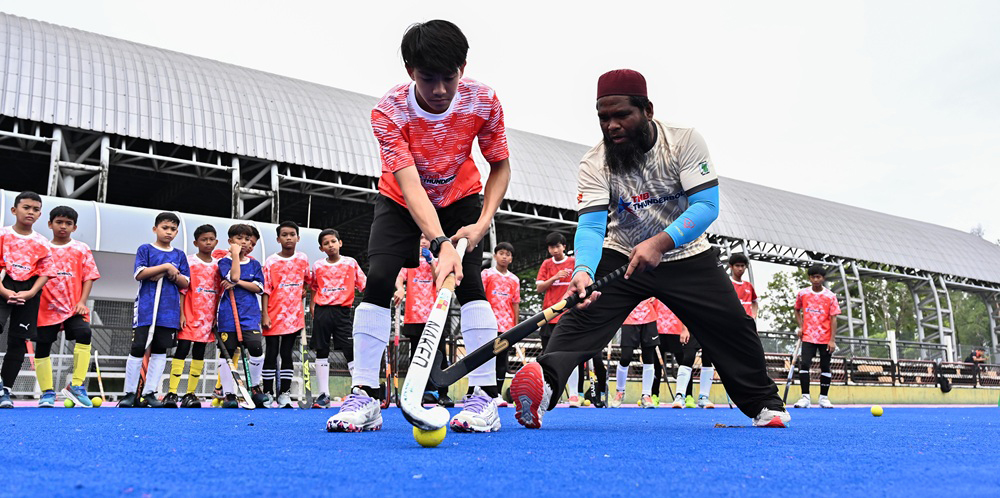
Within the Thunderbolts pathway, coaches and school partners play an important role in helping players maintain that balance. Their role often extends beyond technical training, as they monitor players’ discipline, attendance, attitude and overall wellbeing. Many coaches describe themselves as “second parents” to the players, helping them stay focused on honing their skills and realising their potential. This helps ensure that hockey becomes part of a student’s development journey, rather than a distraction from education.
This approach is aligned with TNB’s broader hockey development framework, which identifies Thunderbolts School Programmes as one of the core components for developing young players aged 13 to 19 through adopted schools. Currently, the programme collaborates with eight schools across Malaysia: Sekolah Sukan Tunku Mahkota Ismail in Johor, Sekolah Sukan Bukit Jalil KL, Sekolah Menengah Kebangsaan (SMK) Seberang Temerloh in Pahang, SMK Anderson in Perak, SMK Pengkalan Permatang in Selangor, SMK Syed Hassan in Perlis, SMK Tinggi Melaka in Malacca and SMK Tunku Besar Tampin in Negeri Sembilan. Through this network, the programme has produced more than 100 national players with at least 17 current senior national squad members tracing their pathway back to Thunderbolts.
TNB Hockey Development at a Glance
8 Schools Collaborations
Collaborates with 8 schools across Malaysia supporting Hockey
100+
National players produced through the Thunderbolts pathway
17
Current senior national players from Thunderbolts
1,200
Youths participate annually in development initiatives as of 2025
RM 60 million
Invested in Hockey Development since 2004
A Community Around the Player
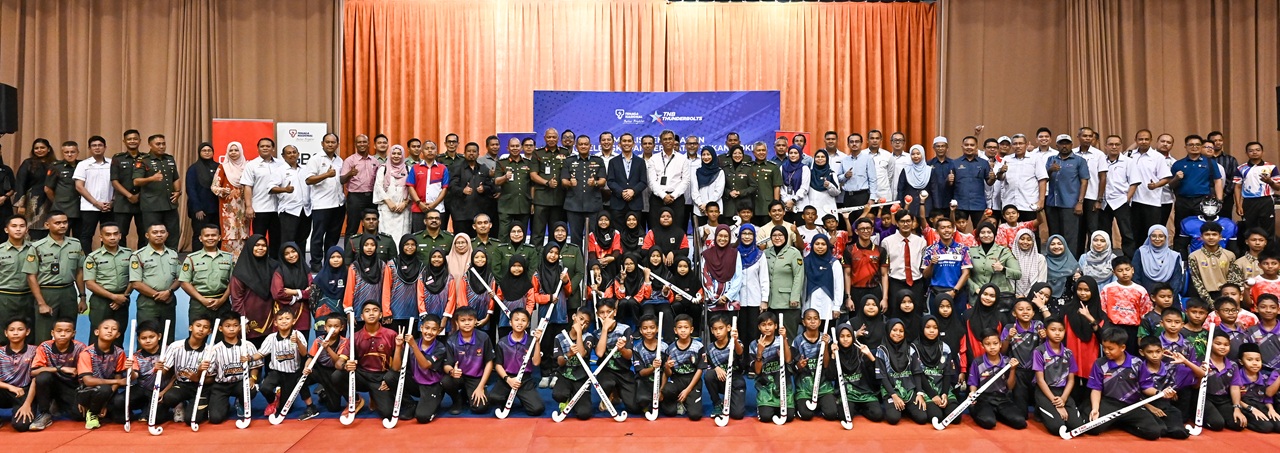
Behind every young player is a wider network of people who make participation possible. Teachers open the opportunity. Coaches guide them through training. Parents and families support their routines. Schools provide space and structure. Communities celebrate their progress.
This ecosystem matters because young players do not develop in isolation. In many cases, the support they receive from adults around them helps determine whether they remain in sport long enough to grow from beginners into confident athletes.
The Thunderbolts experience shows that sport can become a shared community effort. During tournaments, families and school communities often help with transport, logistics, encouragement and behind-the-scenes support. These may seem like small contributions, but together they help sustain a young player’s journey. The scale of this community engagement is visible in events such as the annual Thunderbolts Cup. Its most recent edition, the Thunderbolts Cup 2025 Men’s and Women’s tournaments, brought together 133 teams and 1,197 young male and female players from across Malaysia in the Under-12 and Under-18 categories.
From Participation to Possibility
Not every student who joins a hockey programme will become a national player. But that does not reduce the value of participation.
For many young people, the benefits are seen in other ways: confidence, teamwork, discipline, resilience and exposure to new environments. Some may continue into higher-level hockey. Others may become coaches, teachers or mentors. Many will carry the lessons from sport into their studies, careers and communities.
In this sense, TNB’s role in hockey development supports more than the future of a sport. It supports young Malaysians in building life skills through a structured and supportive environment, and it aligns with the company’s broader Community Investment focus under its Corporate Social Responsibility Framework.
Conclusion
The story of hockey development begins long before players reach national stadiums or international tournaments. It begins with access, encouragement and the opportunity to keep improving.
Through TNB Thunderbolts and school-based development efforts, TNB continues to support a pathway where young people can build confidence, remain connected to education and grow through sport, both on and beyond the pitch. As the partnership enters a new five-year cycle from 2026 to 2030, the focus remains the same: making sure the next generation of Malaysian hockey players has the space, support and opportunity to begin their own journey.
Voices From the Programme
Note: As a continuation, the ESG story titled "Building Malaysia's Hockey Future: Strengthening the Ecosystem Around the Game" will be featured in the next publication.