(Continuation from Part 1 of the ESG Story – 'Advanced Metering Infrastructure (AMI):Building the Foundation for a Smarter Energy System’, dated 12 March 2026).
While Advanced Metering Infrastructure (AMI) establishes the digital backbone of a modern electricity system, its value is realised at the customer level. By providing clearer and more timely consumption data, AMI helps customers understand how and when electricity is used in their homes and businesses.
Historically, customers relied on monthly bills to assess usage. With smart meters, consumption data is now available beyond the monthly billing cycle, enabling more informed day-to-day energy management.
Turning Visibility into Action
Through digital platforms such as the myTNB web portal and mobile application, customers can view consumption profiles and monitor usage trends. This enables them to identify patterns, assess the impact of appliances and adjust usage where necessary.
The Energy Budget feature strengthens this capability by allowing customers to set threshold alerts. Notifications as usage approaches predefined levels help reduce unexpected bill increases and encourage more conscious energy consumption.
Customers may also opt for Time-of-Use (ToU) tariffs, where available, to shift consumption to off-peak periods and optimise costs. For participants in the Net Energy Metering (NEM) scheme, AMI ensures accurate measurement of electricity generated and exported from rooftop solar systems.
Looking ahead, additional AMI-enabled offerings are being progressively introduced to enhance convenience and flexibility. These include a Flexible Payment (Prepayment) option to support better budget planning, enhanced Service Disruption notifications to improve communication during supply interruptions, and remote de-energisation and re-energisation capabilities to simplify selected service processes.
Together, these tools provide practical options that support informed decision-making based on individual needs and circumstances.

Supporting Transparency and Confidence
Improved data availability reduces reliance on estimation and supports more consistent billing outcomes.
Digital billing further enhances convenience while reducing paper usage. By encouraging customers to opt for electronic bills, AMI also supports broader paperless initiatives, contributing to reduced printing, mailing and physical document handling. This aligns with efforts to improve operational efficiency while lowering the environmental footprint associated with traditional billing processes.
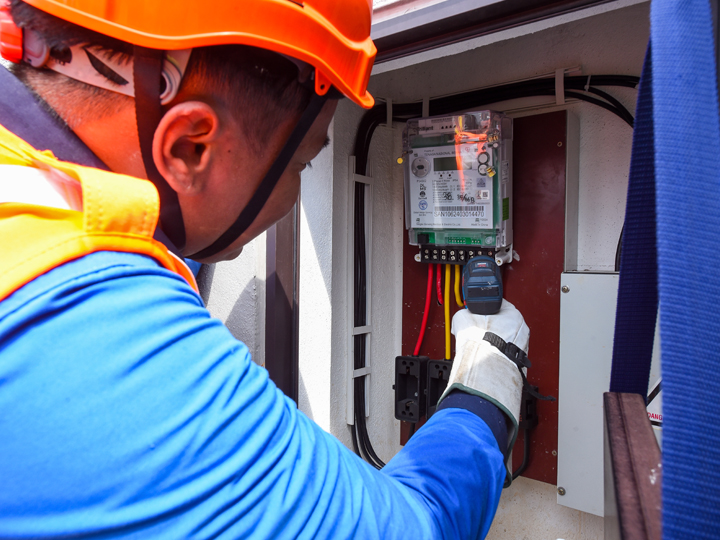
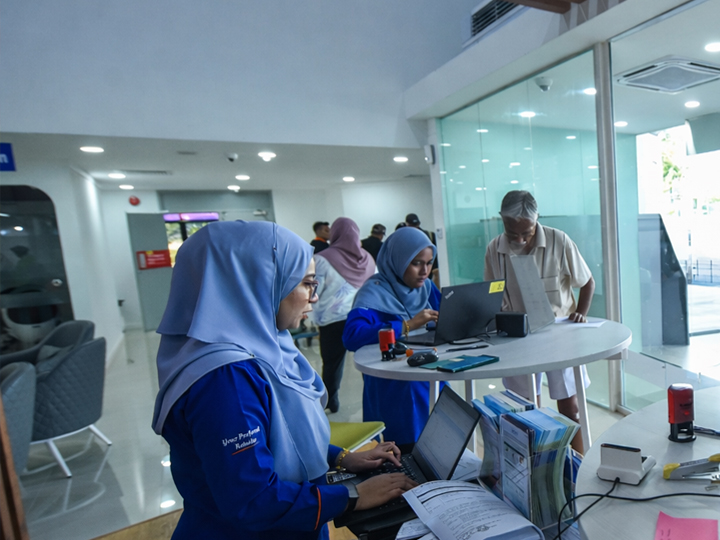
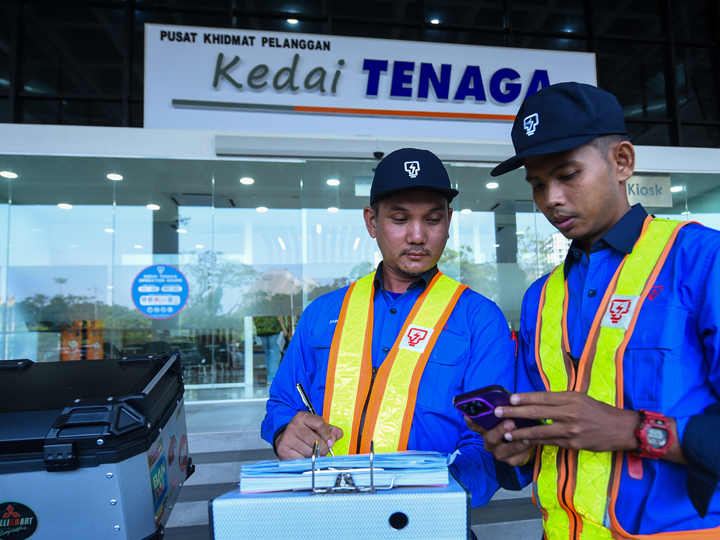
Structured engagement before, during and after installation ensures customers understand the purpose, safety and benefits of smart meters.
Measurable Outcomes and Behavioural Impact
Experience to date indicates that when customers are provided with accessible data and simple tools, their usage patterns can shift. Monitoring and threshold alerts have supported reductions in electricity consumption among active users.
While results vary across households, there has been a noticeable overall increase in energy awareness and more intentional electricity consumption. Over time, such adjustments contribute to overall system efficiency.
Adoption of the Energy Budget programme has grown significantly, with subscriptions increasing from approximately 1.16 million to 2.64 million contract accounts, and active users rising from about 399,777 to 1.46 million.
As at December 2025, approximately 1.46 million participating accounts recorded a reduction in usage during the assessment period. In that month alone, total electricity consumption was reduced by 106 GWh, with an average reduction of 73 kWh per contract account. This reduction corresponds to an estimated avoidance of approximately 82,044 tCO₂, equivalent to about 57 kgCO₂ per participating contract account.
Customer-related improvements are also reflected in a reduction in reported complaints, declining from 8,835 to 2,027 cases. Collectively, these outcomes demonstrate that smart meter deployment delivers value at both the household and operational levels.
Customer feedback reflects improved awareness, convenience and control. Users have highlighted the ability to monitor consumption remotely, including for family members, and to plan energy use more effectively through structured notifications. Overall, testimony indicates greater confidence and ease in managing electricity usage.

Awareness

Convenience

Control
A Shared Role in Energy Efficiency
Energy efficiency is most effective when utilities and customers work in partnership. AMI provides a shared data platform that supports this collaboration
By improving visibility and expanding practical options, AMI supports a more informed and engaged energy community, complementing TNB’s broader efforts to modernise the grid and advance Malaysia’s energy transition.