Continuation from Part 1 of the ESG Story – Exploring Biodegradable Transformer Oil: Why It Matters’, dated 2 April 2026
Beyond the type of oil used, TNB is also evaluating transformer efficiency more broadly. Even small reductions in energy losses, when applied across thousands of transformers operating over decades, can translate into meaningful energy savings and lower emissions over time.
Within TNB's distribution network, technical losses remain an important operational consideration. Distribution technical losses account for approximately 4.5% of total energy delivered through the network, representing significant energy and financial value over time. While transformer efficiency is only one contributing factor, improvements in transformer design can support gradual reductions in overall network losses.
TNB benchmarks its transformer performance against internationally recognised standards, ensuring that its infrastructure evolves in line with global best practice.
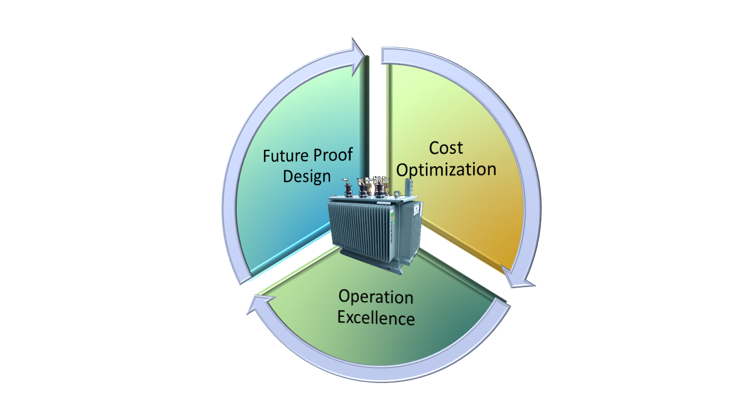
Smart Eco Design High Energy Efficient Distribution Transformer
Exploring Local Possibilities
Malaysia is one of the world's leading producers of palm oil, and this raises one strategic question: could locally source vegetable oils one day serve as the basis for renewable transformer insulating fluid?
Research in this area remains at an early, Proof-of-Concept (POC) stage, and significant technical and economic evaluation would be required before any practical application. But the possibility reflects a broader ambition which is to explore how Malaysia's natural resources may contribute to a more sustainable electricity network, while supporting domestic research, industry and supply chains.
At this stage, economic feasibility remains a key consideration. Ester-based oils typically involve higher upfront costs compared to conventional mineral oil. As such, any potential adoption would be evaluated through a comprehensive Total Cost of Ownership (TCO) approach, considering lifecycle performance, asset longevity, safety benefits, maintenance requirements, environmental risk considerations and potential efficiency improvements.
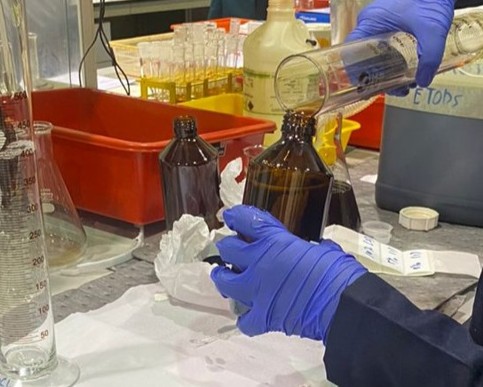
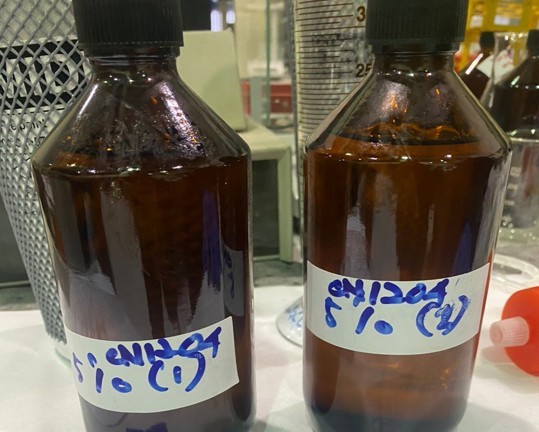
ESG Impact Across the Value Chain
Viewed through an ESG lens, this initiative touches all three dimensions meaningfully.

Environmentally, replacing fossil-based mineral oil with biodegradable alternatives reduces reliance on non-renewable inputs and lowers the risk of environmental damage from leaks. When combined with higher-efficiency transformer designs, it can contribute to incremental reductions in lifecycle emissions.

On the social side, higher flash point oils reduce fire risks, a tangible benefit for substations and their surroundings, particularly in urban areas. The exploration of locally sourced materials also opens potential opportunities for domestic industry participation, provided sustainability and governance standards are upheld.

From a governance perspective, the initiative is anchored in structured R&D, international benchmarking and transparent cost-benefit evaluation. Decisions are guided by performance data and long-term asset economics, consistent with TNB's Sustainability Framework and its obligations to customers and shareholders.
A Measured Step Toward the Transformer of the Future
This initiative remains in the research and feasibility stage. It is not an immediate system-wide transition, but rather a strategic evaluation of how transformer technology can evolve in line with Malaysia's net zero aspirations and global climate commitments.
The energy transition is not only about building new renewable generation, but also about improving the infrastructure that already exists. By examining how something as fundamental as transformer oil can be made safer, cleaner and more sustainable, TNB is demonstrating that progress happens at every level of the grid.
A sustainable energy future is achieved not only by new innovations, but by steadily improving the infrastructure that is already in place.