(Continuation from Part 1 of the ESG Story – 'TNB's Journey Towards Nature-Positive Impact: Biodiversity Risk Management Process', dated 23 July 2026)
TNB is strengthening its approach to biodiversity management through a five-year Biodiversity Roadmap that integrates nature-related risks, impacts and ecosystem dependencies into its business processes and project planning. The roadmap includes a commitment to achieve Net Positive Impact for new projects initiated from 2027 in areas of high biodiversity sensitivity.
TNB’s Biodiversity Risk Management Process was approved by the Sustainability and Energy Transition Committee (SETC) chaired by President / Chief Executive Officer (CEO) mandates comprehensive assessments of biodiversity impacts and ecosystem dependencies across the existing assets in operations as well as new projects.
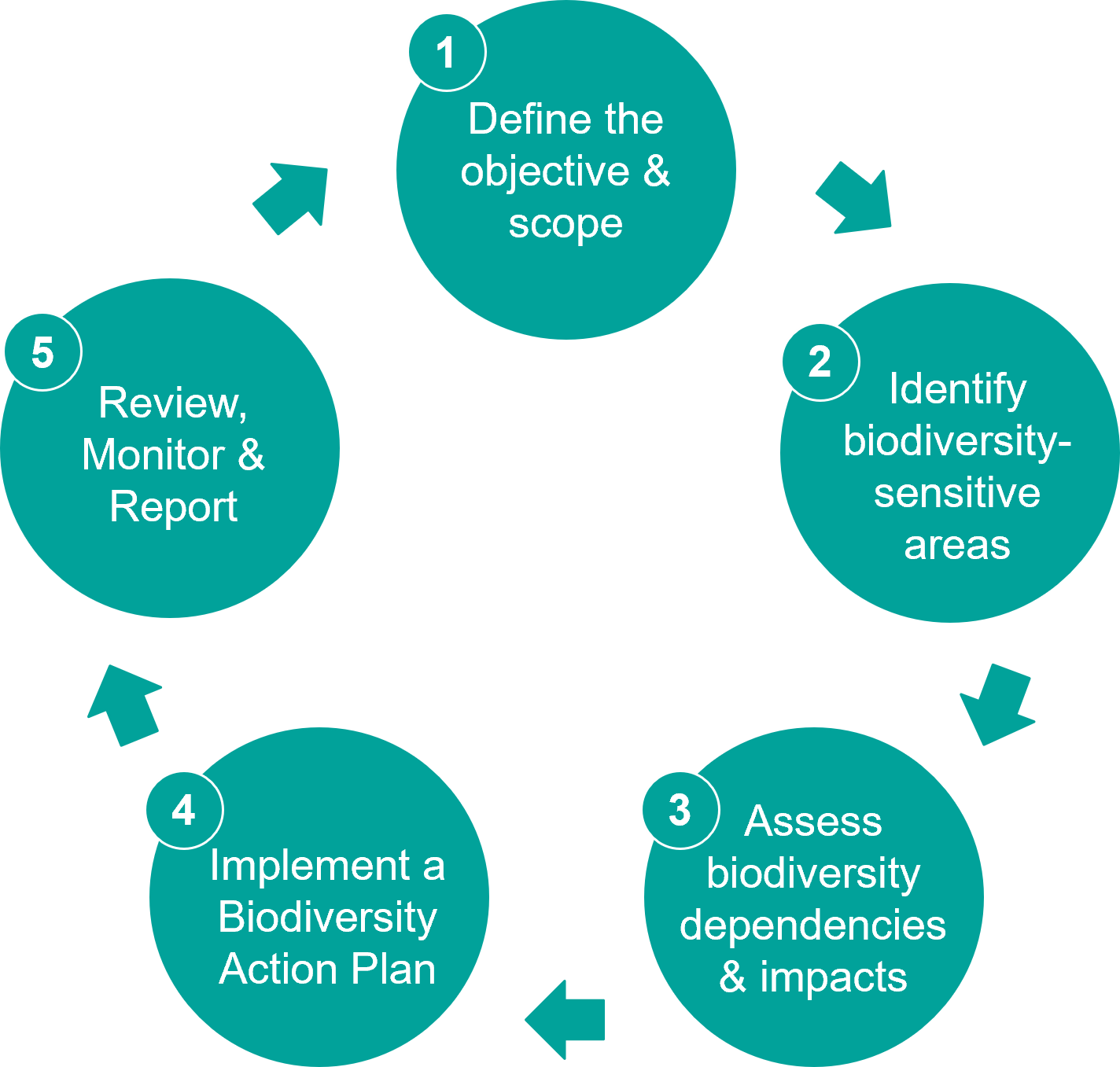
Figure 1: The 5-Step Biodiversity Risk Management Process
To translate governance commitments into an actionable, long-term strategic agenda, the SETC approved the TNB 5-Year Biodiversity Roadmap, embedding Net Positive Impact (NPI) targets across both operational assets and new projects. The roadmap provides a structured, phased pathway to integrate nature-related risks, impacts, and dependencies into core business processes and project lifecycle planning. It is structured around three foundational pillars:
1. Achieving NPI
via strict application of the Mitigation Hierarchy (Avoid, Minimize, Restore, Offset).
2. Strengthening Capacity Building & Process Improvement
to institutionalize nature-based risk assessments across operational business units.
3. Deepening Stakeholder & Ecosystem Collaboration
to co-create measurable, landscape-level conservation outcomes.
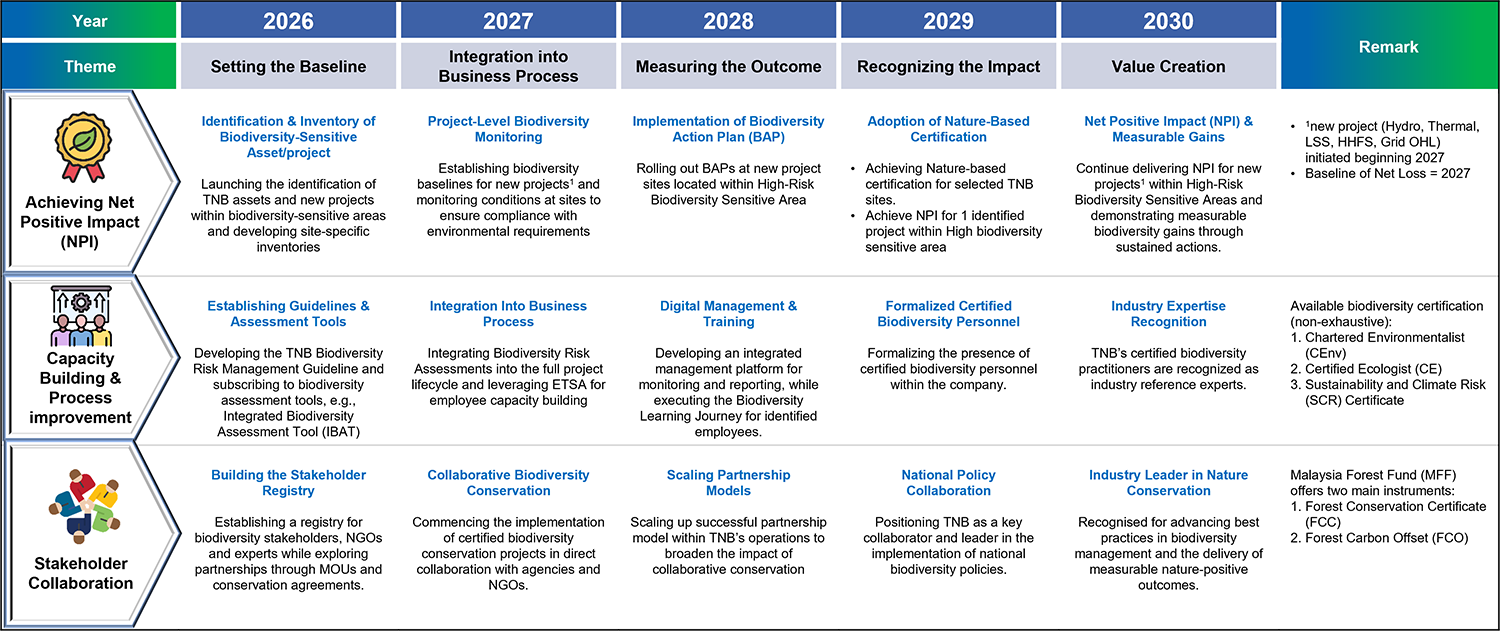
Figure 2: TNB 5-Year Biodiversity Roadmap & Net Positive Impact (NPI) Target (Click the image for a clearer view)
Anchored in this roadmap, TNB has formally committed to achieving NPI for all new projects initiated from 2027 onward in areas of high biodiversity sensitivity. This target is critical to:
1. Mitigate physical and regulatory transition risks by preventing habitat fragmentation and nature loss within critical ecosystems.
2. Ensure long-term operational resilience through active ecosystem restoration and alignment with national biodiversity policies.
3. Align TNB's biodiversity efforts with Target 15 of the Kunming-Montreal Global Biodiversity Framework which is “Businesses Assess, Disclose and Reduce Biodiversity-Related Risks and Negative Impacts”
Together, these focus areas provide the foundation for effective biodiversity management by ensuring that ambitions are supported by robust processes, capable people, appropriate tools, and strong partnerships, enabling TNB to deliver measurable and lasting outcomes for nature.
What Net Positive Impact Means
Net Positive Impact (NPI) measures whether a project delivers an overall positive outcome for biodiversity by balancing biodiversity loss against biodiversity gain. The concept of NPI is based on the International Finance Corporation’s Performance Standard 6 and the IUCN publication on Net Positive Impact on Biodiversity..
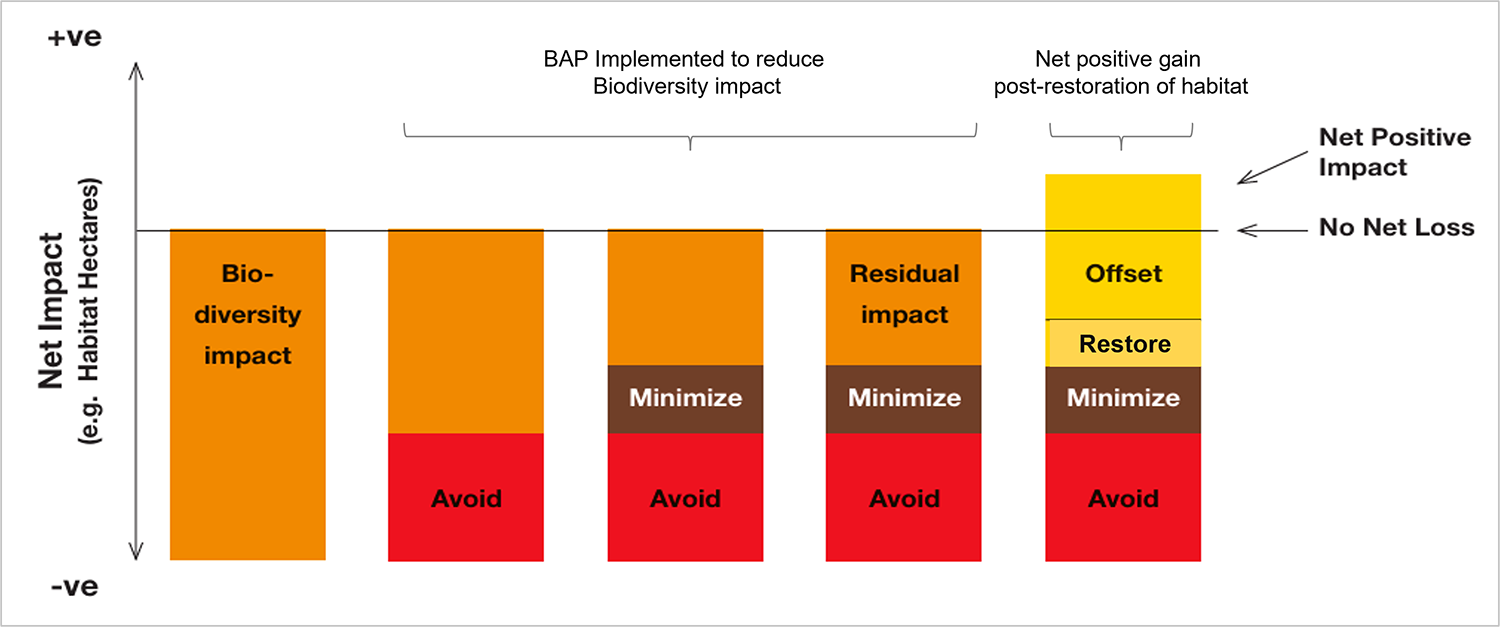
Figure 3: Net Positive Impact Methodology
Biodiversity loss is determined by comparing the residual biodiversity condition after project implementation with the baseline condition before development, while biodiversity gain represents the measurable improvements achieved through Biodiversity Action Plans (BAP).
A project achieves NPI when biodiversity gains exceed the biodiversity losses, demonstrating that the overall condition of nature is improved after all mitigation hierarchy measures have been implemented.
The “Habitat Unit” approach was adopted for quantifying baseline biodiversity value, biodiversity loss and biodiversity gain. This approach is based on the biodiversity-unit accounting principles of the UK Statutory Biodiversity Metric developed by Defra and Natural England. While the method is technical, its purpose is clear - to measure biodiversity in a more consistent way so that ecosystem changes and Biodiversity Action Plan (BAP) progress can be tracked over time.
Operationalising Biodiversity Action Plans (BAP) for Continuous Monitoring and Audit
TNB has implemented four pilot projects across its thermal, large hydroelectric, grid transmission and large-scale solar assets as practical proofs of concept for operationalising its Biodiversity Risk Management Process. Through site-specific Biodiversity Action Plans (BAPs), these projects support TNB’s progress towards achieving its Net Positive Impact (NPI) targets by integrating biodiversity considerations into project planning and operational decision-making.
Using the Habitat Unit (HU) methodology, the pilots are projected to deliver measurable NPI of +433 HU at Kapar Energy Ventures, +62 HU at the Nenggiri Hydroelectric Project, +135 HU at the Bukit Sai Grid Transmission Line, and +479 HU at the TNB Kuala Muda Solar Project. The pilot assessments demonstrate that NPI can be achieved across diverse asset types through the effective application of the mitigation hierarchy.

Figure 4: Four (4) pilot projects to design site-specific BAPs (Click the image for a clearer view)
Several measures included in the BAPs are:
-
Preserve the ecological function of the ash pond as an important roosting area for migratory birds.
-
Realign assets to avoid biodiversity-sensitive areas.
-
Use elevated towers to minimise tree cutting and land clearing.
-
Plant mangrove trees on degraded land at designated offset sites.
-
Develop wildlife corridors by planting native trees and grass species.
-
Create wetlands within water-retention ponds.
-
Implement AKEKCHEP conservation projects in collaboration with Indigenous communities, including Orang Asli communities.
-
Implement coral reef conservation projects within national marine parks.
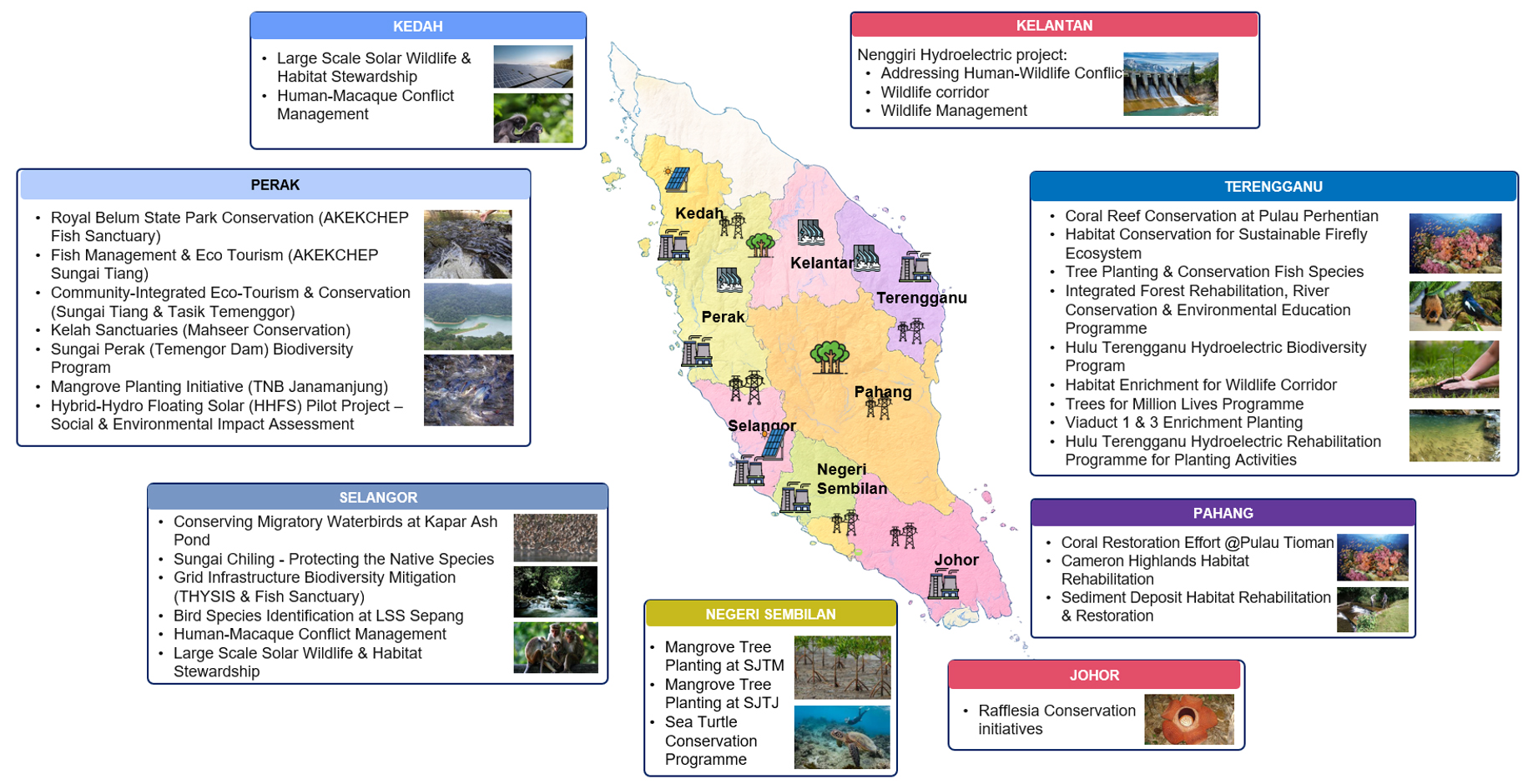
Figure 5: Various biodiversity activities across TNBs operational and project sites (Click the image for a clearer view)
Since 2017, TNB has planted over 441,000 trees (114,000 mangroves and 327,000 inland trees) across designated offset sites, advancing our long-term biodiversity conservation strategy. These ongoing ecosystem restoration efforts also contribute directly to the national Greening Malaysia Programme: 100 Million Tree-Planting Campaign led by the Ministry of Natural Resources and Environmental Sustainability (NRES). To institutionalize this impact, TNB has formally committed to an annual target of planting 40,000 trees, ensuring sustained contribution toward national reforestation, carbon sequestration, and ecosystem resilience.
The implementation of BAPs will undergo continuous monitoring and independent auditing to evaluate their effectiveness in conserving and restoring local ecosystems. To enhance our governance framework, we are actively exploring strategic collaboration with the Malaysia Forest Fund (MFF), an agency under the NRES. This partnership aims to strengthen our monitoring process and frequencies, and establish third-party verification for site-specific outcomes, ensuring our operations deliver measurable Net Positive Impact (NPI) for biodiversity.
Strengthening Capability and Collaboration
Beyond processes and targets, TNB recognises that effective biodiversity management depends on strong internal capabilities and meaningful stakeholder engagement. As part of this Biodiversity Roadmap, TNB plans to strengthen organisational capacity through biodiversity learning programmes, technical training and the development of qualified biodiversity practitioners by leveraging the Energy Transition and Sustainability Academy (ETSA). These efforts are intended to enhance the knowledge and competencies required to support biodiversity assessments, action planning, monitoring and reporting across relevant functions.
Collaboration will also remain important. By working with government agencies, NGOs and conservation experts, TNB can support biodiversity initiatives that are technically sound, locally relevant and aligned with national priorities.
Recognising that biodiversity conservation requires collective action, TNB works closely with government agencies and strategic partners to strengthen biodiversity stewardship across its operations. Through the My Brighter Green Initiative (MBGI), TNB collaborates with the Malaysia Nature Society (MNS) on habitat restoration and biodiversity monitoring through mangrove planting programmes across the country.
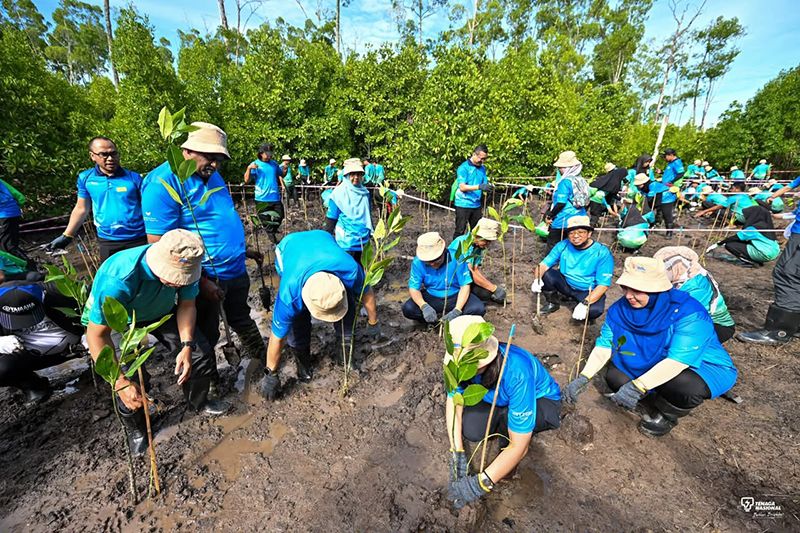
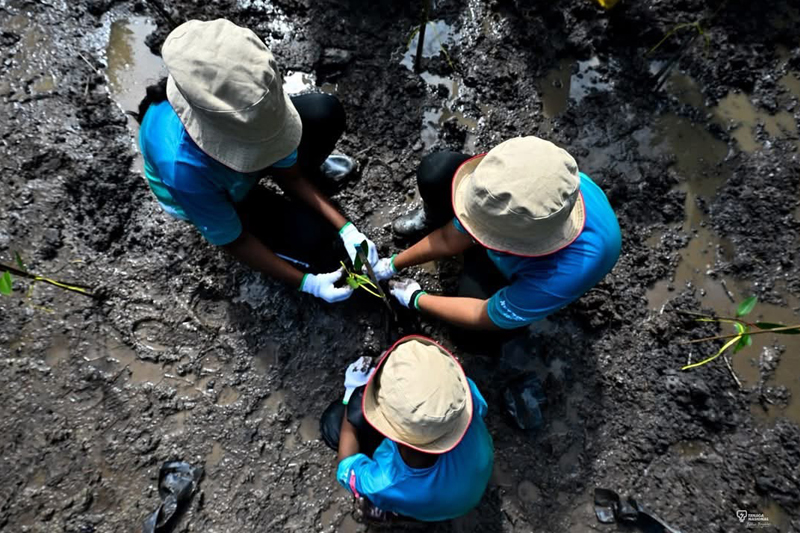
In parallel, TNB is collaborating with the Malaysia Forest Fund (MFF) to explore nature-based financing and verification mechanisms, specifically the Forest Conservation Certificate (FCC). This initiative targets two key pilot sites: the Wildlife Corridor at the 300MW Nenggiri Hydroelectric Project and the 25,000-tree mangrove conservation site in Pantai Remis, Lumut, Perak. Securing FCC certification reinforces our long-term commitment to habitat conservation, robust ecosystem service verification, and nature-positive project development.
A More Nature-Conscious Energy Future
The Biodiversity Risk Management Process, Biodiversity Roadmap and Net Positive Impact Target represent significant milestones in strengthening biodiversity governance across TNB.
As Malaysia’s energy landscape continues to evolve, the need to balance development with nature stewardship becomes increasingly important. Through this roadmap, TNB is strengthening its role in supporting responsible energy growth while contributing to the protection and restoration of ecosystems that matter to communities, investors and the natural world.