Malaysia’s clean-energy ambitions are accelerating under the National Energy Transition Roadmap (NETR), with an aspiration to achieve 70% renewable energy capacity by 2050. As organisations strengthen their ESG commitments, many are seeking credible pathways to reduce electricity-related emissions while maintaining reliable access to the grid.
Organizations seeking to reduce their Scope 2 Greenhouse Gas (GHG) emissions typically begin with energy efficiency measures and on-site renewable energy solutions. While these efforts can significantly lower electricity-related emissions, they are unable to fully eliminate them due to practical limitations. Energy efficiency initiatives may deliver up to an estimated 30% reduction, but achieving further gains often demand much higher capital investment. Similarly, on-site solar PV deployments are constrained by limited rooftop space and the variability of sunlight hours throughout the day.
Given these boundaries, achieving 100% emission reduction through internal measures alone is generally not feasible. As a result, many organizations complement their efforts with credible emission-avoidance instruments such as Renewable Energy Certificates (RECs) or carbon credits to bridge the remaining gap and support their decarbonisation goals.
As the nation’s electricity utility, Tenaga Nasional Berhad (TNB) plays a central role in enabling this transition. Through its subsidiary TNBX, TNB provides Malaysia Renewable Energy Certificates (mREC) and manages the Green Electricity Tariff (GET) programme - offering businesses, industries, and now tenants, a transparent mechanism to access certified renewable electricity indirectly. By expanding these green energy pathways, TNB enables organisations across Malaysia to accelerate progress toward Scope 2 reduction and climate-aligned growth.
What Renewable Energy Certificates Mean
A Renewable Energy Certificate (REC) represents 1 MWh of renewable electricity generated and delivered through the national grid. Because electrons in the grid are indistinguishable, RECs serve as evidence that renewable energy has been delivered to the consumer.
TNBX issues mREC under the International REC (I-REC) standard, ensuring full traceability and compliance with global sustainability reporting frameworks which can be used for reporting and disclosure in line with GHG Protocol, CDP, Race to Zero, RE100, and all other major reporting frameworks.
Through mREC, organisations using grid electricity can credibly claim renewable electricity consumption and reduce their Scope 2 emissions, without needing to invest in on-site solar or other renewable energy installations. Moreover, this solution is particularly suitable for organisations with limited rooftop space, such as high-rise buildings in city centres, where direct access to on-site renewable energy is constrained.
How TNB Makes Renewable Electricity Accessible
Malaysia’s REC ecosystem is supported by national digital platforms and regulatory structures designed to ensure transparency and accountability. The Malaysia Green Attribute Trading System (mGATS) functions as the one-stop centre platform to acquire RECs originated in the country. Through this platform, organisations may purchase unbundled RECs - certificates bought independently of their electricity supply, giving them flexibility in how they match renewable attributes with their consumption.
Complementing this, TNB provides mREC through TNBX, which are issued from domestic renewable generation registered on mGATS. These certificates allow customers to match their grid consumption with verified renewable attributes sourced locally.
TNB also offers a bundled pathway through the Green Electricity Tariff (GET). Under GET, customers receive grid electricity paired with mREC attributes in a single subscription, enabling them to obtain renewable electricity use without purchasing certificates separately. This bundled structure makes participation straightforward for organisations that prefer an integrated approach under a single procurement and billing mode or may not have the ability to install their own renewable systems.
The bundled REC mechanism is expected to be the key credible option in the coming years (as compared to unbundled RECs), especially as global standards evolve, including the forthcoming revision of GHG Protocol, which places greater emphasis on spatial and temporal accuracy in green electricity claims.
Together, the bundled GET and unbundled mREC via mGATS broaden the options available to businesses today, allowing them to choose the mechanism that best aligns with their operational needs, reporting requirements, and sustainability goals.
For further access to clean electricity, especially to non-direct TNB consumers, GET Greenpath was introduced - an extension of the GET programme which allows tenants, data-centre operators, and bulk-account customers to subscribe to green electricity and receive mRECs, a move that significantly expands eligibility beyond traditional property owners.
This model ensures that renewable energy benefits are accessible across a wide spectrum of businesses, strengthening the overall adoption of clean energy across sectors in Malaysia and potentially attracting more investment into the country.
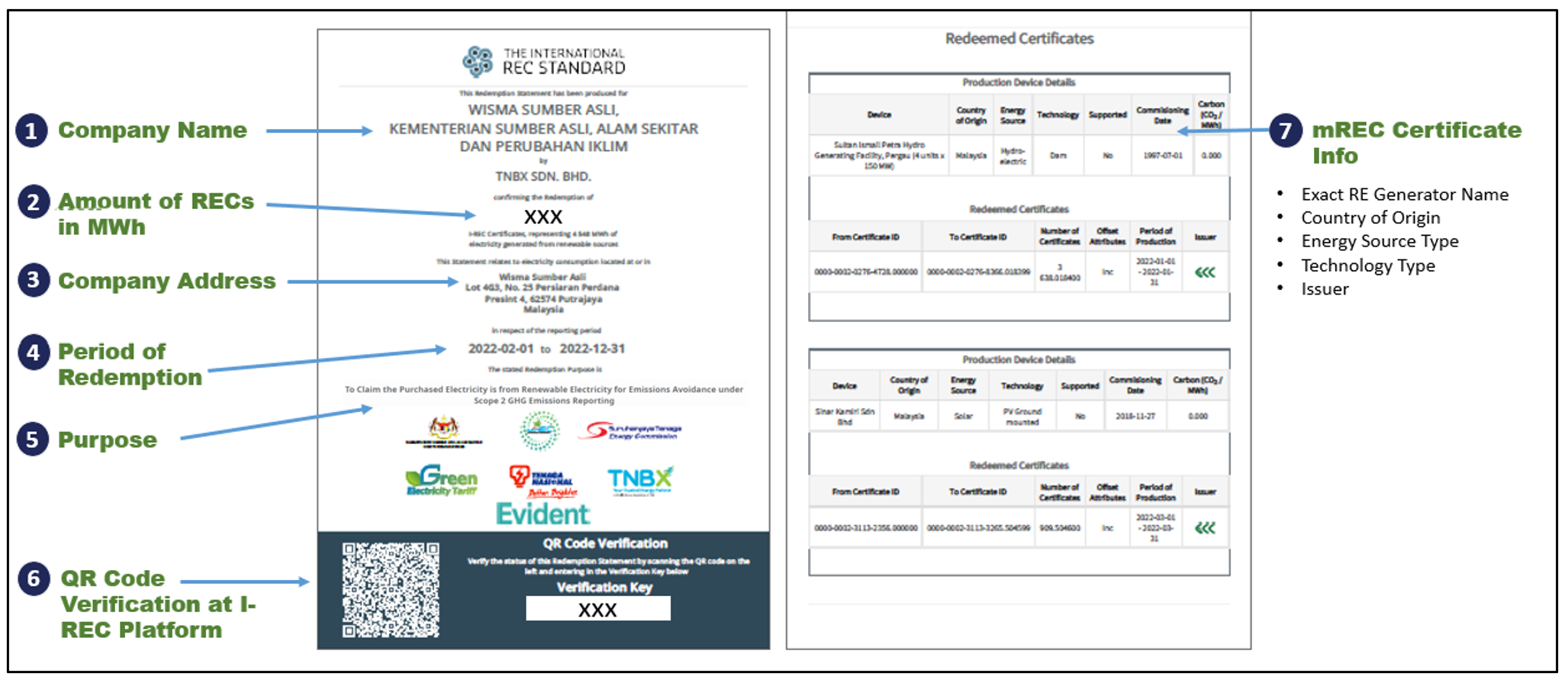
Figure 1: Information in mREC’s Redemption Statement
Growing Market Momentum
Demand for RECs and green electricity in Malaysia has risen steadily, driven by corporate ESG commitments, Scope 2 reporting needs, and increasing expectations across global value chains. Organisations, from multinational corporations to small medium enterprises, are beginning to incorporate mREC and GET into their sustainability strategies as they work toward meeting their decarbonisation goals.
To date, the GET programme has recorded a 61.76% take-up rate, with 4,076 GWh subscribed by 1,574 TNB electricity account holders.
For companies seeking to reduce carbon footprint without installing renewable infrastructure, GET and mREC prove to be seamless, cost-effective, credible, and fully managed solutions. Apart from that, they can also enjoy various exemptions available through the GET programme such as the Automatic Fuel Adjustment (AFA) and Renewable Energy Fund (KWTBB) charges exemption. Part of the revenue collected through the subscriptions contributes to national programmes like the Solar for Rakyat Incentive Scheme (SolaRIS), extending the benefits of renewable energy to Malaysian households.

Towards a Greener Energy Future
As Malaysia progresses towards net-zero emissions, TNB’s role in expanding renewable generation capacity and deploying mREC infrastructure positions it as a key enabler of national climate goals. The transformation of mGATS into a full-fledged digital REC marketplace in the near future marks a significant milestone in making renewable energy accessible and scalable - aligning with the NETR’s long-term vision.
With the GET and mREC initiatives, TNB is broadening access to renewable electricity across Malaysia. As the country moves toward a low-carbon future, TNB remains committed to enabling collective action - ensuring that green electricity is accessible to all, from large industrial users to small tenants, and helping Malaysia build a sustainable energy ecosystem for generations to come.
For more information on GET, please visit the official website at: Green Electricity Tariff (GET)
Details on mGATS can be viewed at: mGATS